

The SM7B's fame is well-earned. Its cardioid dynamic capsule delivers a smooth, warm frequency response that tames harsh highs and minimizes sibilance. The air suspension virtually eliminates mechanical noise, and the proximity effect gives vocals a rich, authoritative presence. The SM7B excels in untreated rooms because its dynamic capsule is inherently less sensitive to room reflections than a condenser. You can record in a bedroom with minimal treatment and get broadcast-quality vocals. The trade-off is gain: the SM7B outputs a very low signal, requiring a high-quality preamp or Cloudlifter.
Shure SM7B vs Rode NT1-A: Dynamic vs Condenser (2026)

The Shure SM7B and Rode NT1-A represent the two most popular microphone types for home studio vocal recording. The SM7B is the dynamic microphone that defined modern podcasting. The NT1-A is one of the best-selling large-diaphragm condensers of all time. Choosing between them is the first major decision every home recordist faces.
Shure SM7B: The Broadcast Legend with Smooth, Forgiving Capture
Rode NT1-A: The Ultra-Low Noise Condenser for Detailed Vocal Capture
The NT1-A has sold over a million units for good reason. Its 1-inch gold-sputtered capsule delivers a detailed, open sound with a slight high-frequency boost that helps vocals cut through a mix. The headline feature is the self-noise at just 5dBA, making it ideal for recording quiet sources. The included shock mount, pop filter, and dust cover give you everything in the box. However, the condenser picks up everything including room echoes and computer fan noise. It demands a treated recording environment to truly shine.
Room Treatment Reality: Which Mic Works in Your Actual Space?
If you record in an untreated bedroom, the SM7B's dynamic capsule gives significantly better results by naturally rejecting room reflections. The NT1-A captures your vocals along with every echo and hum in the room. In a well-treated space, the NT1-A offers more detail, air, and clarity than the SM7B can achieve. The SM7B's rolled-off top end sounds smooth but sacrifices brilliance. The NT1-A's extended highs give vocals more sparkle in a dense mix, making it better for modern pop production.
The Vocal Mic Decision: SM7B or NT1-A for Your Home Studio?
If your room is untreated, the Shure SM7B is the pragmatic choice for professional results immediately. It also suits aggressive vocals, podcasting, and broadcast. If your room is well-treated, the Rode NT1-A delivers more detail and high-frequency extension for a brighter vocal sound. The NT1-A also excels on acoustic guitar and other instruments. Many home studios end up owning both. If you can only afford one, the SM7B is the safer bet for imperfect rooms.
Verdict
SM7B for untreated rooms and broadcast. NT1-A for treated rooms and detailed recording.
Products in this Guide
Shure SM7B
$399 USD
The industry-standard dynamic microphone for broadcast, podcasting, and vocal recording. Warm, smooth sound with excellent rejection.




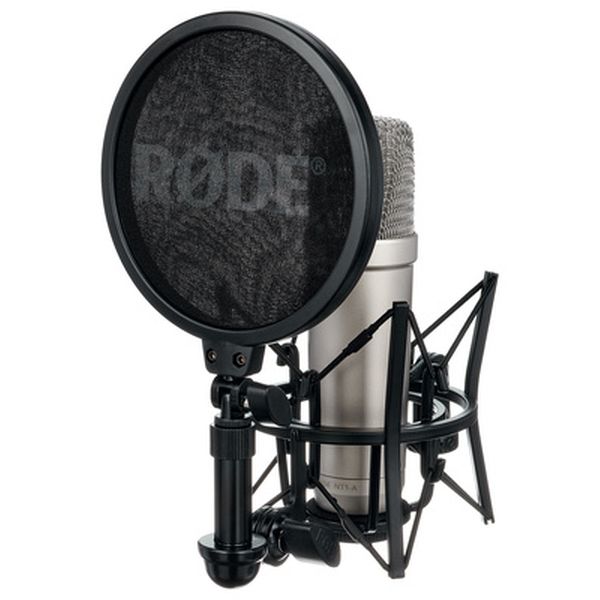
Rode NT1-A
$269 USD
The world's quietest studio condenser microphone. Pristine audio quality with a warm, smooth character. Includes shock mount and pop filter.
Final Thoughts
The Shure SM7B and Rode NT1-A are complementary tools. The SM7B is the forgiving workhorse that makes untreated rooms sound professional. The NT1-A is the detailed performer that rewards a good room with stunning clarity. Choose the SM7B for practicality; choose the NT1-A for detail and versatility.