Cuban Tres, Bass & Guitar - played and recorded with my personal gear
SoundBetter
Find the Best Deals Across Top Music Stores
Guides My Setup About Me

Best Budget Microphones Under $200 (2026)

Best Budget Microphones Under $200 (2026)

You don't need to spend a fortune to get professional sound, and I've proven this to myself over and over in my career. Some of the most iconic recordings in history — think Nirvana's Nevermind, Michael Jackson's Thriller, countless classic sessions — were made with microphones that cost under $200. I've used these mics in world-class studios and sweaty clubs alike, and the lesson is always the same: the microphone matters far less than how you use it. That said, starting with the right budget workhorses makes all the difference. Here are the two budget mics that consistently deliver way above their price tag, chosen from decades of hands-on experience.

How to Choose the Best Microphone

Your microphone is the most personal piece of gear in your studio — it captures the unique character of your voice or instrument. Unlike other gear, there's no single "best" microphone; the right mic depends on your voice, your room, and what you're recording.

Start with the type. Dynamic microphones are rugged, handle high SPL, and reject background noise. They're ideal for loud sources — guitar amps, drums, and live vocals. Condenser microphones are more sensitive and detailed, capturing every nuance of vocals and acoustic instruments. They need phantom power and work best in treated rooms. Ribbon microphones have a warm, natural sound and are beloved for guitar amps and brass.

Polar patterns determine what the mic hears. Cardioid picks up sound from the front and rejects the rear — perfect for home studios with untreated rooms. Figure-8 picks up front and back but rejects the sides. Omni picks up equally from all directions — ideal for room ambience and group vocals but requires a quiet space.

Frequency response shapes your sound. Flat mics give you an honest representation. Mics with a presence bump help vocals cut through a mix without EQ. Darker mics tame harsh sources. The best approach is to match the mic's character to the source — don't try to fix a bright voice with a bright mic.

Your room matters more than your mic. An expensive condenser in an untreated room will sound worse than a dynamic mic in a treated one. If your room isn't acoustically treated, start with a dynamic mic — they're more forgiving of bad acoustics.


The Unbreakable Classic: Shure SM57

At $99, the SM57 is the most recorded microphone in history, and it's not even close to being close. It handles guitar amps with an authority that mics costing ten times as much can't match — the way it captures the crack and body of a snare drum, the growl of a cranked tube amp, the punch of a horn section. I've thrown these in padded bags, dropped them off stages onto concrete floors, and watched them get kicked across a festival stage, and they still work perfectly, consistently, every single time. The tight cardioid pattern gives excellent off-axis rejection, which means you can place one SM57 on a snare and another on the hi-hat without phase issues or bleed. On vocals, it delivers a raw, present, punchy sound that cuts through a dense mix — think Iggy Pop, think punk rock, think anything that needs attitude. Every studio needs at least two of these. Every musician should own one. There is no better value in all of audio.

The Silent Giant: Rode NT1-A

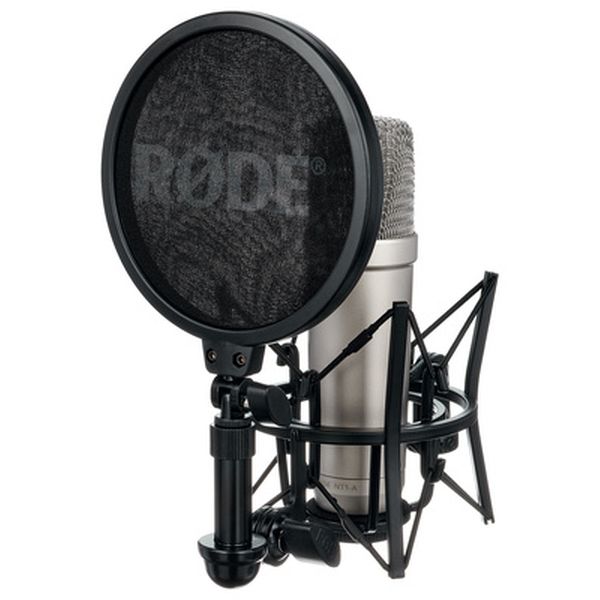
The Rode NT1-A holds the title of world's quietest studio condenser microphone — its self-noise is an astonishing 5dBA, which is so low that you can record the softest fingerpicked acoustic guitar passages or whispered vocals with absolutely zero hiss or noise floor issues. I've recorded delicate nylon-string guitar parts with the NT1-A where the silence between notes was completely black — no hiss, no rumble, just pure acoustic space. The sound signature is warm and flattering without being artificially hyped in any frequency range. The high end is smooth, the lows are full, and the mids have a gentle presence that makes vocals sit naturally in a mix. At $269, it's slightly above our $200 target, but here's the key: the package includes a shock mount, a pop filter, and an XLR cable — all items you'd need to buy separately with any other condenser. That makes this the best value condenser microphone package on the market, period. This was my first condenser mic and I still recommend it to anyone recording acoustic instruments or vocals.
Verdict SM57 for versatility, NT1-A for studio quality

Products in this Guide

Shure SM57

Shure SM57

★★★★½ 45,210
$99 USD
The most recorded instrument microphone in history. Indestructible, affordable, and incredible on guitar cabs, snares, and horns. Every musician should own one.
Rode NT1-A

Rode NT1-A

★★★★½ 21,345
$269 USD
The world's quietest studio condenser microphone. Pristine audio quality with a warm, smooth character. Includes shock mount and pop filter.

Final Thoughts

For under $200, the SM57 is unbeatable for instruments and live use — it's the most versatile, durable, and essential microphone ever made. Stretch slightly to $269 and the NT1-A gives you a genuine studio condenser with world-class noise performance that competes with mics costing three times as much. Buy the SM57 first — it should be the first microphone every musician owns. Add the NT1-A when you're ready for pristine vocals, acoustic instruments, and any source that needs detail and quiet. These two mics together cover 90% of any recording scenario you'll face.