

The RE20's Variable-D technology eliminates proximity effect. Frequency response is flat and natural for a dynamic. On kick drum, it is legendary with punch and definition. The sound is naturally present and open, requiring less EQ than almost any other dynamic.
EV RE20 vs Shure SM7B: Dynamic Broadcast Mic Legends Compared (2026)
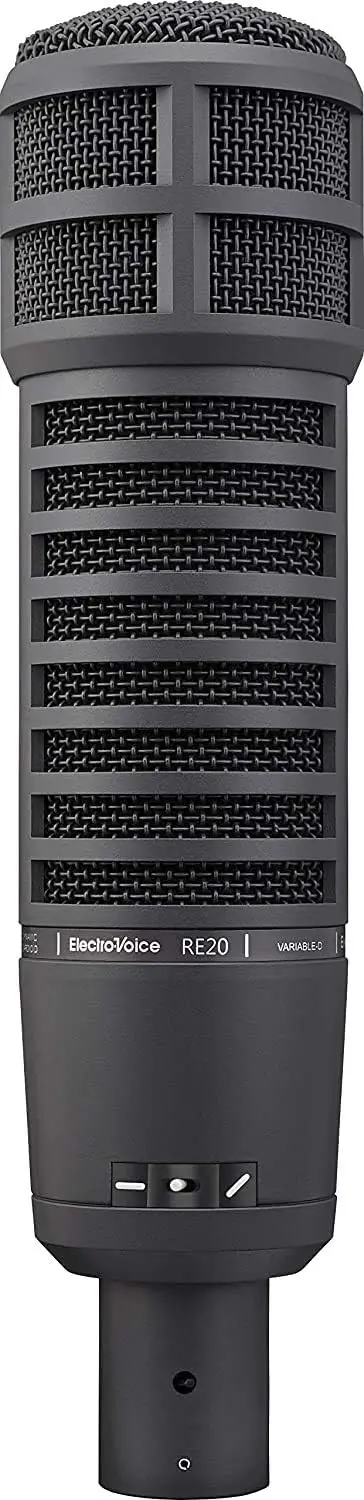
The Electro-Voice RE20 and Shure SM7B are the two most important dynamic microphones in broadcast history. The RE20 defined radio. The SM7B defined modern podcasting. Both are legends, but they sound completely different.
Electro-Voice RE20: The Variable-D Broadcast Standard
Shure SM7B: The Intimate, Warm Voice of Modern Broadcast
The SM7B embraces proximity effect for an intimate, warm sound that defines modern podcasting. The rolled-off highs result in a smooth sound forgiving of sibilance. This is why it has become the default for spoken word content.
Broadcast Character: Natural vs Intimate
The RE20 sounds like the voice of authority. The SM7B sounds like the voice of intimacy. For radio and voice-over, the RE20's flatter response is technically superior. For podcasting, the SM7B's warm proximity effect makes voices engaging.
Broadcast Mic Decision: EV RE20 or Shure SM7B?
For professional radio and voice-over, the RE20 is superior with its Variable-D technology. For podcasting and streaming, the SM7B is the cultural icon. On musical sources, the RE20 is more versatile for kick drum, bass, and horns. Many broadcast studios own both.
Verdict
RE20 for natural broadcast and musical versatility. SM7B for intimate podcast and content creation.
Products in this Guide

Electro-Voice RE20
$449 USD
The broadcast standard. Variable-D technology eliminates proximity effect. The definitive choice for podcasting, voiceover, and kick drums.





Shure SM7B
$399 USD
The industry-standard dynamic microphone for broadcast, podcasting, and vocal recording. Warm, smooth sound with excellent rejection.
Final Thoughts
The RE20 delivers the natural broadcast sound of professional radio. The SM7B delivers the warm, intimate sound of the podcast era. Both are essential tools.