Cuban Tres, Bass & Guitar - played and recorded with my personal gear
SoundBetter
Find the Best Deals Across Top Music Stores
Guides My Setup About Me

Best USB & Streaming Microphones (2026)

Best USB & Streaming Microphones (2026)

The streaming and content creation boom has changed the microphone game dramatically. Whether you're podcasting, streaming on Twitch, recording YouTube voiceovers, or jumping on Zoom calls, your microphone is your voice — it's how your audience connects with you. But here's the truth from someone who's been in audio for over twenty years: you don't need a dedicated USB microphone. A proper XLR dynamic mic paired with a simple audio interface gives you vastly better sound quality for similar money, and the upgrade path is unlimited. I've tested USB mics from every major brand, and none of them sound as good as a $99 SM57 through a $199 interface. None. Here's what I actually recommend for streamers and content creators who want professional sound without spending a fortune.

How to Choose the Best Microphone

Your microphone is the most personal piece of gear in your studio — it captures the unique character of your voice or instrument. Unlike other gear, there's no single "best" microphone; the right mic depends on your voice, your room, and what you're recording.

Start with the type. Dynamic microphones are rugged, handle high SPL, and reject background noise. They're ideal for loud sources — guitar amps, drums, and live vocals. Condenser microphones are more sensitive and detailed, capturing every nuance of vocals and acoustic instruments. They need phantom power and work best in treated rooms. Ribbon microphones have a warm, natural sound and are beloved for guitar amps and brass.

Polar patterns determine what the mic hears. Cardioid picks up sound from the front and rejects the rear — perfect for home studios with untreated rooms. Figure-8 picks up front and back but rejects the sides. Omni picks up equally from all directions — ideal for room ambience and group vocals but requires a quiet space.

Frequency response shapes your sound. Flat mics give you an honest representation. Mics with a presence bump help vocals cut through a mix without EQ. Darker mics tame harsh sources. The best approach is to match the mic's character to the source — don't try to fix a bright voice with a bright mic.

Your room matters more than your mic. An expensive condenser in an untreated room will sound worse than a dynamic mic in a treated one. If your room isn't acoustically treated, start with a dynamic mic — they're more forgiving of bad acoustics.


The Streamer's Best Friend: Shure SM57

Yes, the same SM57 that has recorded guitar amps on more hit records than any other microphone. Its tight cardioid pattern rejects room noise and keyboard clicks beautifully — exactly what you need in an untreated home streaming setup where the acoustics are working against you. The SM57 doesn't care about your untreated room with drywall reflections, your mechanical keyboard with Cherry MX switches, or your gaming PC fans spinning at full speed. It simply rejects everything off-axis and focuses on your voice. At $99, pair it with a Scarlett 2i2 and you have a broadcast-quality signal chain for less than what most flagship USB microphones cost. The gain staging is simple: set your interface gain so the loudest peaks hit around -6dB, keep the mic about four to six inches from your mouth, and your stream will sound like a professional broadcast. No room treatment required. No expensive plugins needed.

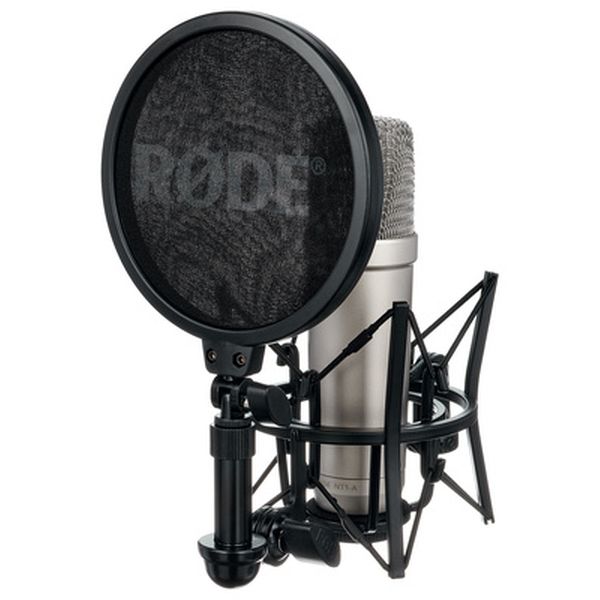
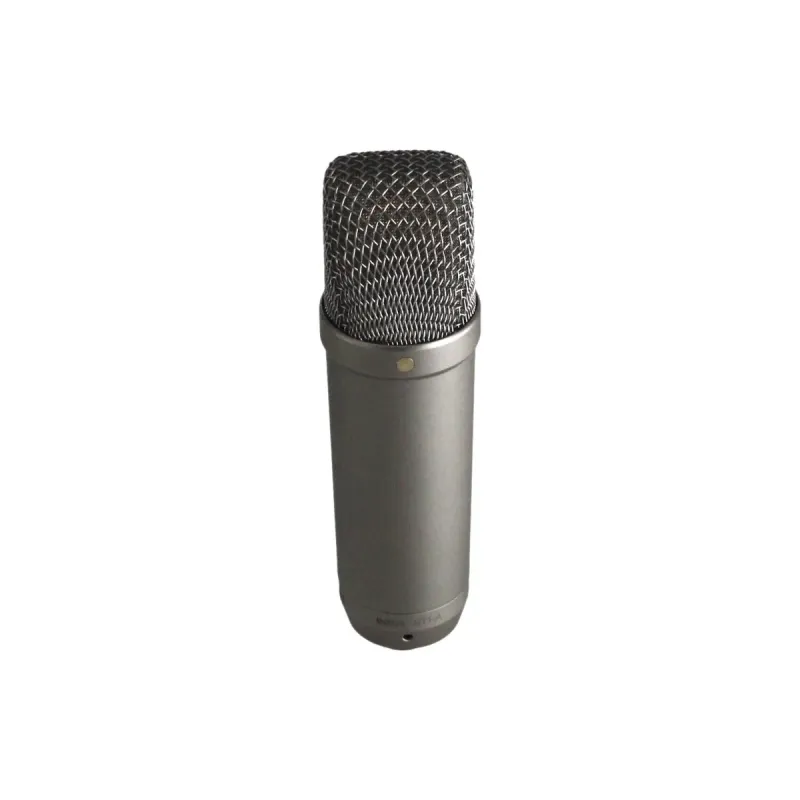
Step Up to Condenser: Rode NT1-A

If your room has some acoustic treatment — a few broadband panels, some bass traps, maybe even heavy curtains — and you want that rich, detailed condenser sound for ASMR, singing streams, or professional voiceover work, the NT1-A is the right move. It captures more nuance, air, and transient detail than any dynamic microphone can. The difference is immediately audible: vocals sound more open, acoustic guitars have more sparkle, and spoken word has a polished, professional sheen. But you must be warned: condenser microphones hear everything. Your neighbor's dog barking two houses down, the refrigerator compressor cycling in the kitchen two rooms away, the HVAC system kicking on — the NT1-A will capture it all with pristine clarity. Use the NT1-A when your space is under acoustic control. Use the SM57 when it's not. That's the strategy I use in my own studio. The included shock mount and pop filter save you another $100 in accessories.
Verdict SM57 + Scarlett 2i2 beats any USB mic

Products in this Guide

Shure SM57

Shure SM57

★★★★½ 45,210
$99 USD
The most recorded instrument microphone in history. Indestructible, affordable, and incredible on guitar cabs, snares, and horns. Every musician should own one.
Rode NT1-A

Rode NT1-A

★★★★½ 21,345
$269 USD
The world's quietest studio condenser microphone. Pristine audio quality with a warm, smooth character. Includes shock mount and pop filter.

Final Thoughts

Skip the USB mics entirely. Get an SM57 and a Scarlett 2i2 for the ultimate streaming audio chain that will outlast any USB microphone and sound dramatically better from day one. This combo gives you the exact same signal path used by professional broadcasters for decades — the same mics used on NPR, BBC, and major network news — at a price that competes with high-end USB options. Add the NT1-A when your room is treated and you want condenser detail. But start with the SM57 and interface. You'll never go back to USB.

Join us on Telegram — daily sales & deals on music gear Únete a Telegram — ofertas diarias en equipo musical