 Gear4Music
 Andertons
 Music Store
 zZounds
 Plugin Boutique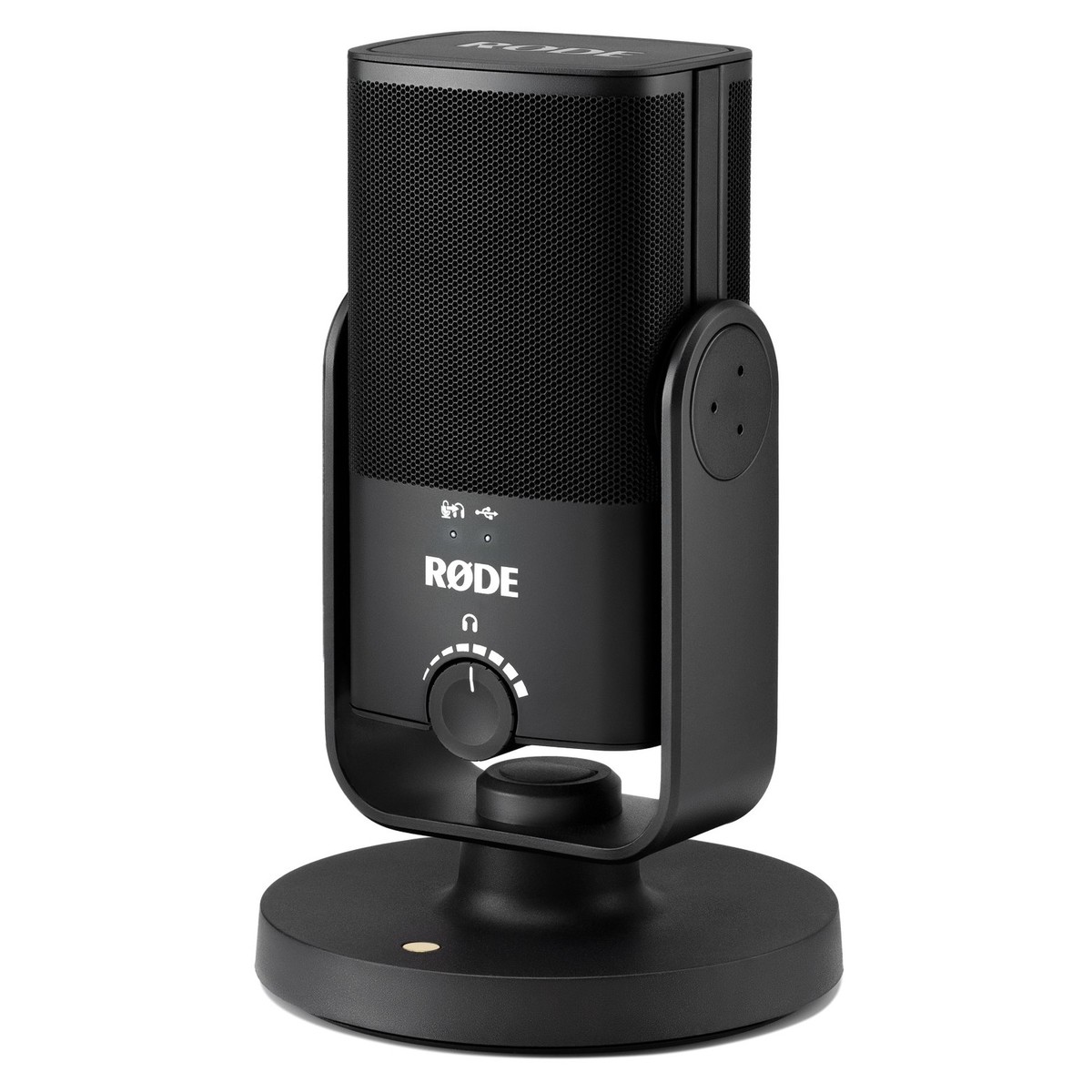
A budget USB mic is a balance of three things: capsule quality, room rejection, and connectivity. Spend on the ones that matter and you can out-record mics costing twice as much.
Buy a cardioid capsule. Nearly every mic in this guide is cardioid, meaning it picks up what's in front of it and rejects most of the room. In an untreated home office, that single choice does more for your audio than any software plugin.
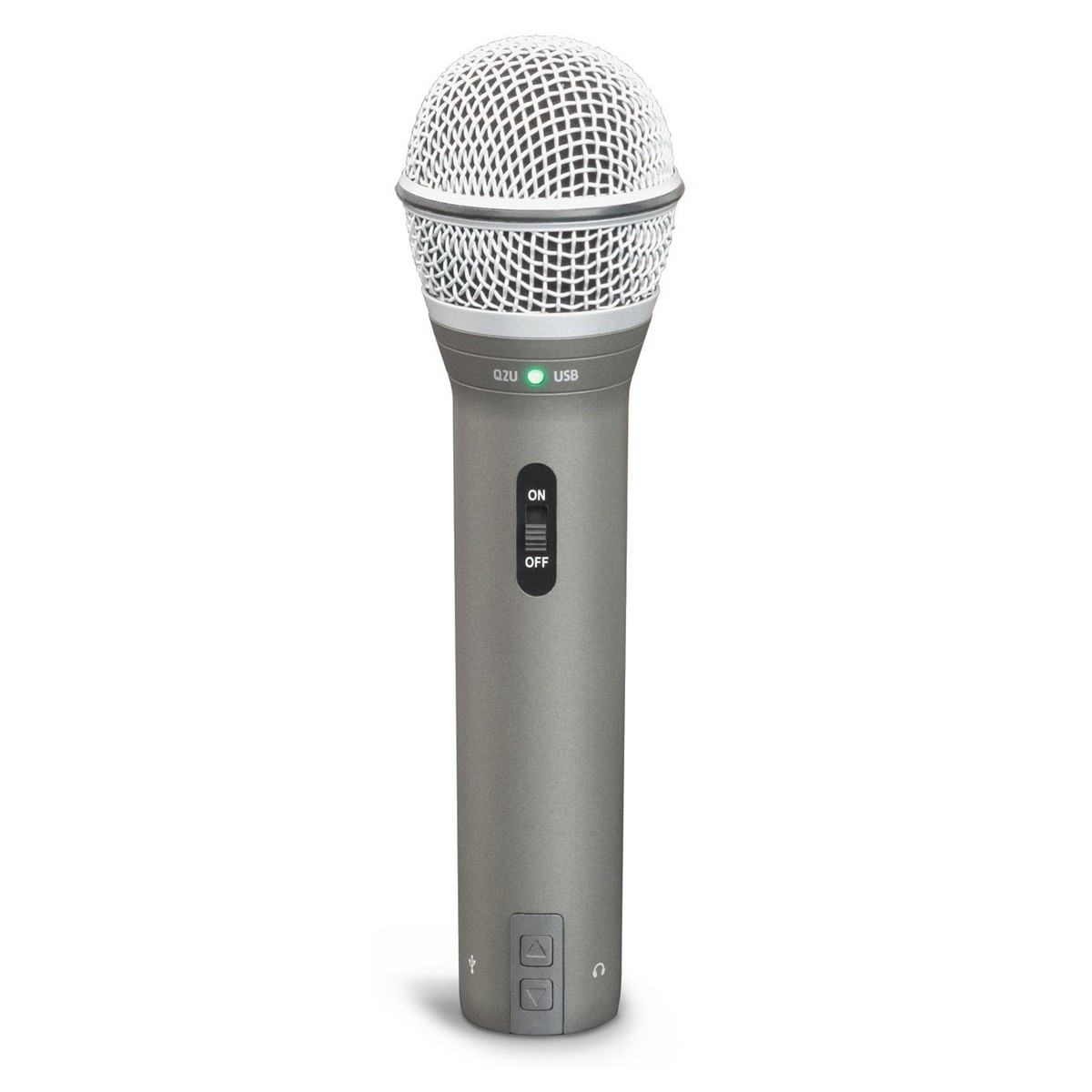
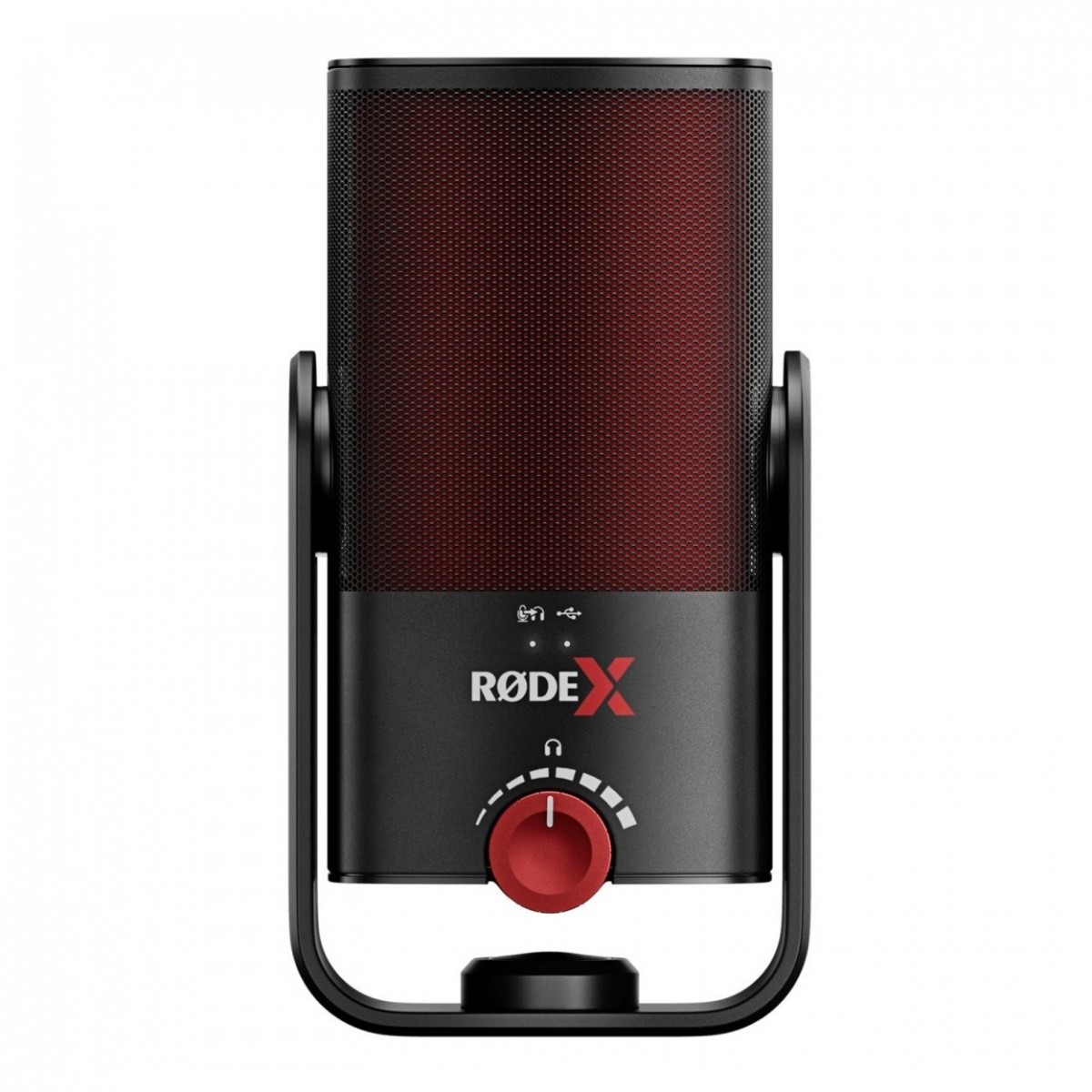
Match the type to your room. If your desk sits in an echoey, noisy space, a dynamic USB mic (like the Samson Q2U or FIFINE AM8) will sound cleaner than any condenser. If your room is already fairly dead, a condenser (like the HyperX SoloCast 2 or Rode NT-USB Mini) captures more detail and air in your voice.
Look for a headphone jack and mute button. Zero-latency monitoring and a tap-to-mute light are the two features you'll use every single session. A gain knob on the body is a nice third.
Don't overpay for software. Windows, Mac, and Discord all include noise suppression these days, and OBS and Streamlabs have free voice filters. The microphone hardware matters far more than any bundled app.
If you are a musician looking to record singing vocals or acoustic guitars through an audio interface, skip this list and check our dedicated guide on the Best Budget Microphones .