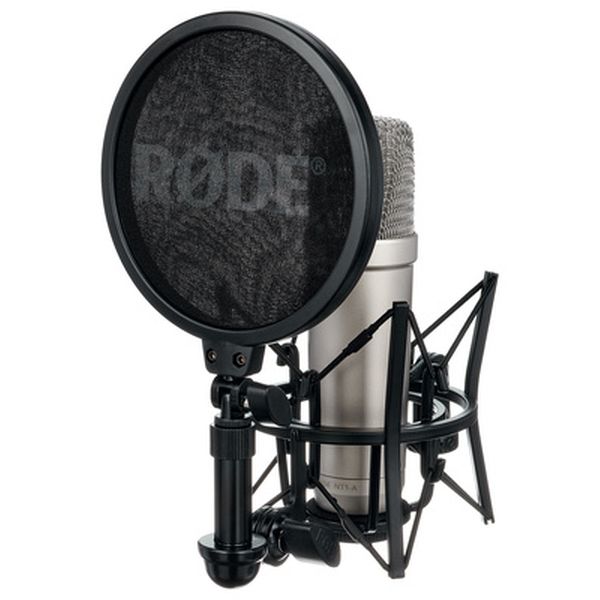
The main difference between a dynamic mic and a condenser is sensitivity. Condensers capture more detail: the air around the voice, subtle nuances, full frequency response. They also capture more background noise: the computer fan, street traffic, room reverb.
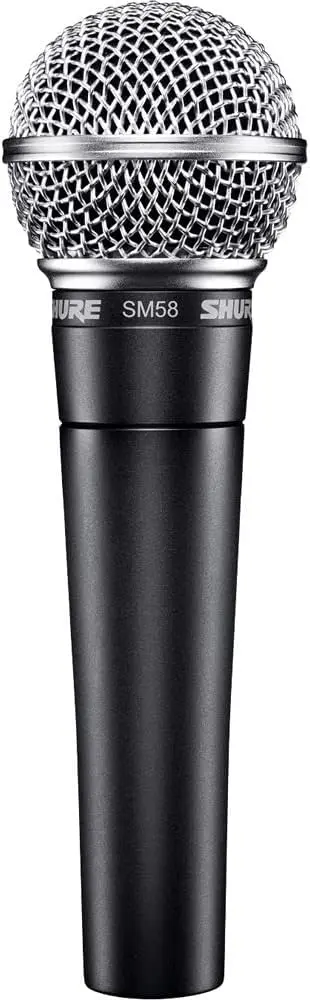
Dynamic microphones are less sensitive. Their cardioid pattern focuses on what's directly in front of them and rejects ambient sound. In a space without acoustic treatment — most home rooms — a dynamic mic delivers a more usable recording with less editing.
The practical recommendation: start with a dynamic mic. If your room has acoustic treatment (panels, bass traps, carpets), a condenser can give more detail and a more open sound. If not, the dynamic mic will save you post-production headaches. For a full breakdown of microphone types, see our best microphone guide.