Cuban Tres, Bass & Guitar - played and recorded with my personal gear
Guides

Best Microphones for Content Creators (2026)

Best Microphones for Content Creators (2026)

Most creators overthink their first mic and underspend on everything else. The truth is that a USB mic placed close to your mouth will outperform a far more expensive studio condenser mounted at arm's length. These eight mics cover the full spectrum — from the hybrid USB/XLR broadcast mic that anchors a serious studio to a wireless kit you can clip on and walk away from. Each one earns its spot by selling well and scoring high marks across thousands of owner reviews.

By Daniel Carnago · August 2026

Touring and session musician with 20+ years on stages around the world. A great deal of the gear I recommend here I have used myself, on tours, in professional studios, or in my own studio.

How I test gear: to be honest, I have not tested every product on this site. Much of it I have used myself in live shows and recording sessions; others I have seen tested by musicians and sound techs I trust; and the rest I have researched in depth before recommending.
Verdict
The Shure MV7+ is the best all-rounder for creators — USB, XLR, and that broadcast look. The Rode PodMic USB is budget broadcast value, the QuadCast 2 is streaming value, and the DJI Mic Mini adds wireless for movement. Cover your voice, then your workflow.
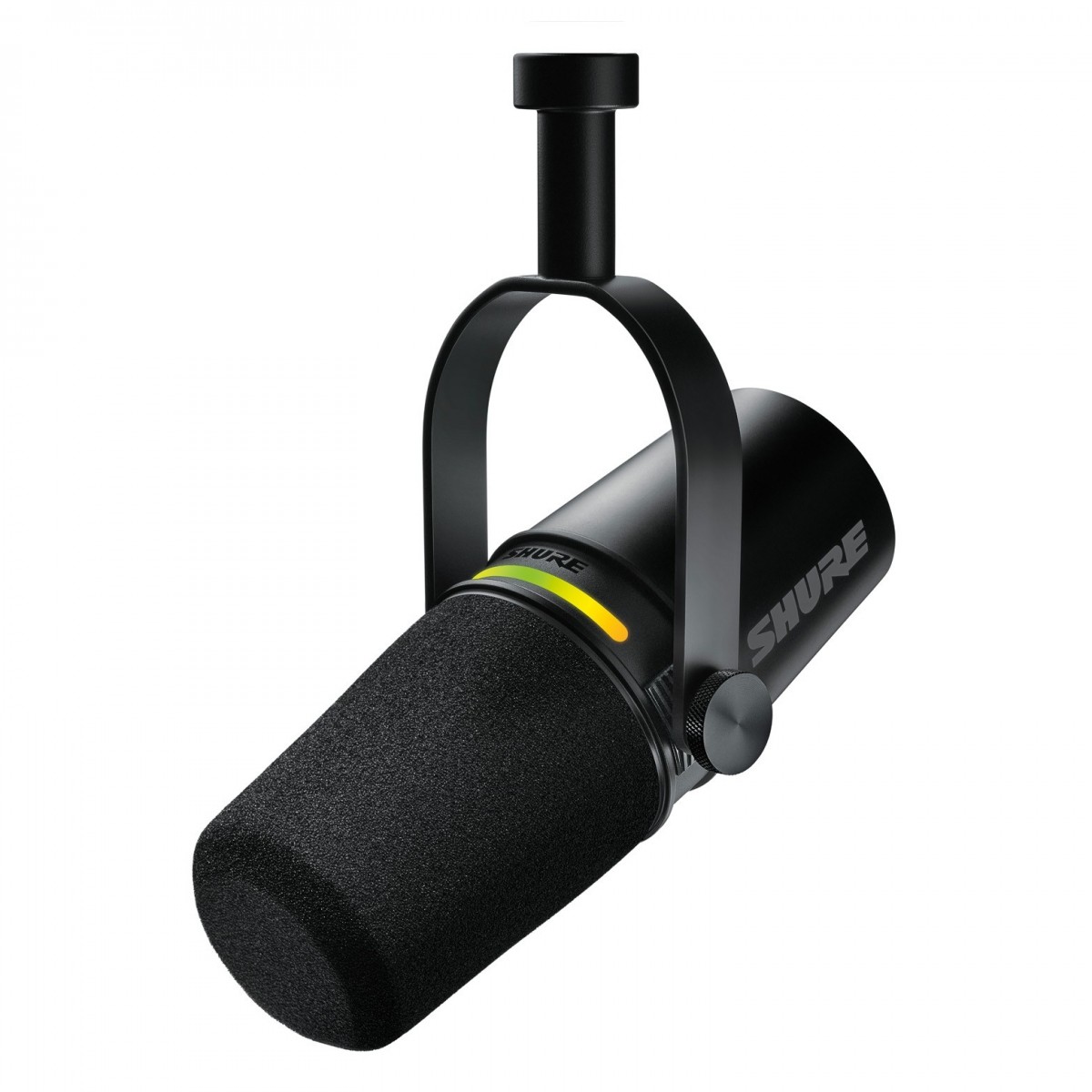
Shure MV7+
Pros
  • Dual USB-C and XLR outputs for future-proofing
  • Real-time autolevel keeps volume consistent
  • Built-in DSP: EQ, compression and reverb on the mic
  • Motorized touch-panel mute and built-in pop filter
Cons
  • Most expensive pick — above the PodMic USB and nearly triple the DJI Mic Mini's
  • Overkill if you only need a simple USB mic
  • Heavier than competing USB dynamics
  • Motorized touch-panel mute adds moving parts that can wear out over daily use — a physical switch is simpler
  • The DSP presets and autolevel are USB-only — over XLR the mic drops to a plain dynamic and loses the smart features
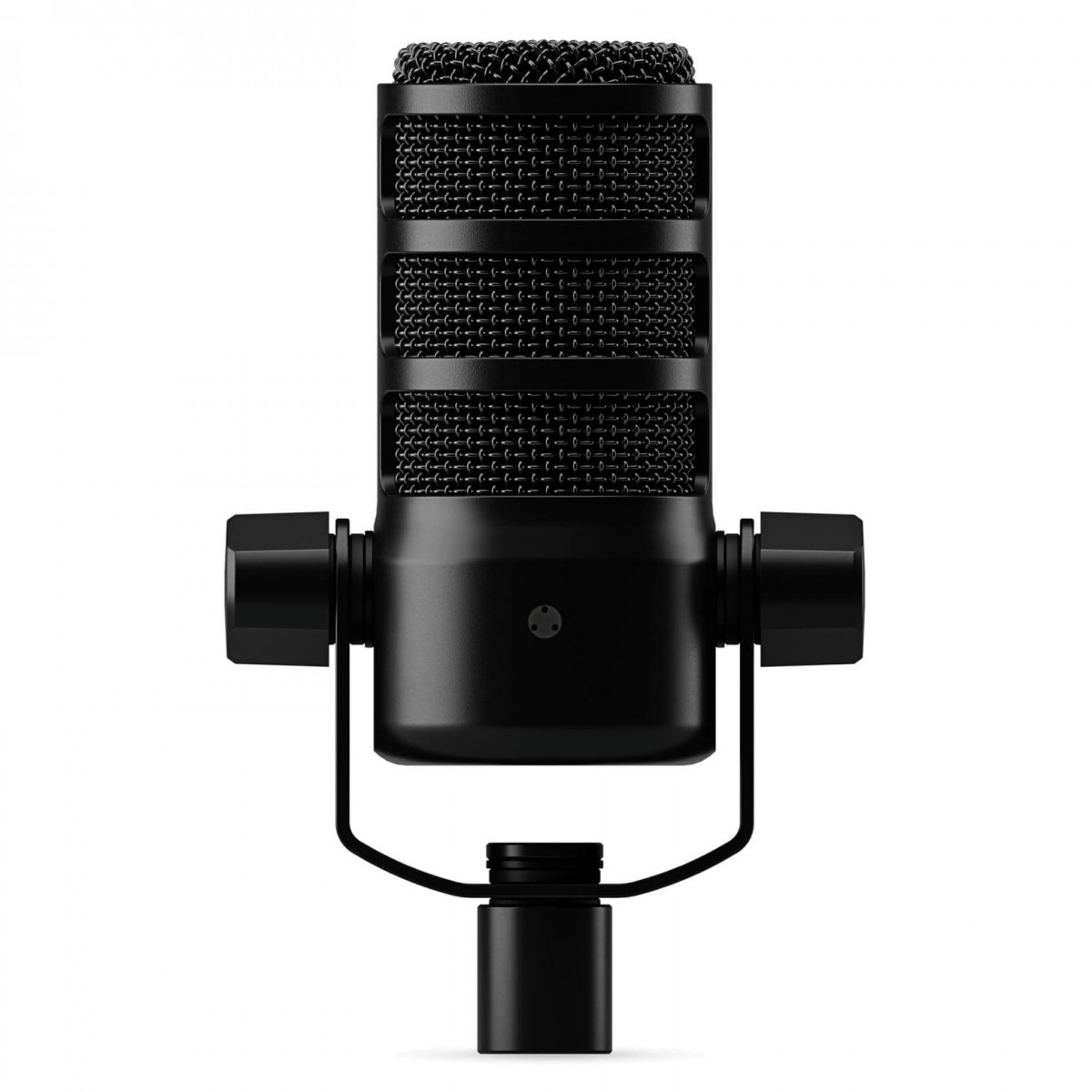
Rode PodMic USB
Pros
  • Broadcast dynamic sound for
  • 32-bit float so loud takes are recoverable
  • Internal shock mount and magnetic pop filter
  • Headphone output for zero-latency monitoring
Cons
  • Desk-only — there's no wireless mode, so presenters who move around need a lavalier or a separate system
  • Needs a boom arm or stand for the right height
  • XLR output is passive-only — 32-bit float and DSP processing only work over USB-C
  • 32-bit float only matters in software that supports it — several streaming apps still record at 24-bit
  • it's above the HyperX QuadCast 2, which adds RGB and four polar patterns for less
HyperX QuadCast 2
Pros
  • Best value with 36,000+ reviews
  • Built-in shock mount, pop filter and RGB lighting
  • Tap-to-mute with backlit status light
  • Four polar patterns for solo to roundtable
Cons
  • Condenser picks up room reverb in untreated rooms
  • Needs an adapter for boom-arm mounting
  • RGB may feel too flashy for pro podcast setups
  • The 4-pattern dial sits where fingers rest — it's easy to bump into a different pattern mid-recording
  • it undercuts the Wave:3 by, but Wave Link's per-source routing and Clipguard are absent
Elgato Wave:3
Pros
  • Wave Link software mixes sources into channels
  • Clipguard prevents distortion on loud moments
  • Capacitive mute and 4.6/5 across 10,000+ reviews
  • Broadcast-grade 96kHz/24-bit converter
Cons
  • Condenser needs a treated or quiet room
  • No XLR output for future interface upgrades
  • Full Wave Link feature set lives in the software
  • Clipguard prevents new distortion, but it can't fix an already-clipped recording — a loud scream is still lost
  • it costs more than the QuadCast 2 and less than the PodMic USB — middle price with no 32-bit float or XLR option
DJI Mic Mini
Pros
  • Two 5g transmitters and a pocketable charging case
  • USB-C receiver plugs straight into a phone
  • Up to 400m range and 48 hours with the case
  • 2-step noise cancelling keeps room hum out
Cons
  • Not a replacement for a desk mic for studio work
  • 48kHz/24-bit instead of 32-bit float
  • No on-board recording on the transmitters
  • The 48-hour battery figure counts the charging case — each 5g transmitter alone runs much less, so the case is essential on shoots
  • it's the cheapest pick, but the clip-on lavalier tone can't match the MV7+ or PodMic for voice warmth on a desk podcast
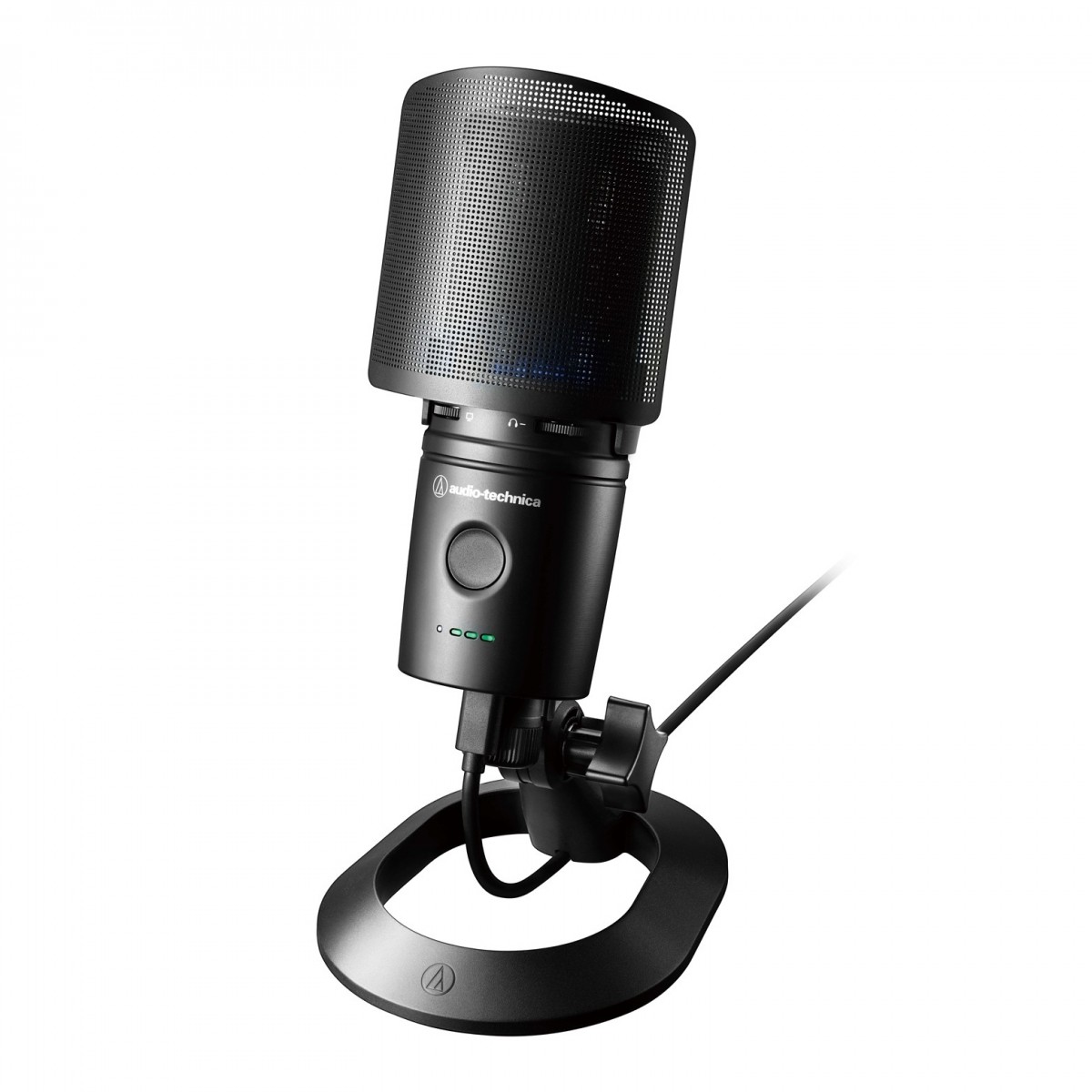
Audio-Technica AT2020USB-X Cardioid Condenser USB Microphone
Pros
  • Genuine Audio-Technica studio condenser
  • 24-bit/96 kHz USB-C conversion with headphone jack
  • Capacitive mute button with LED ring
  • Clean, natural cardioid voice for podcast and YouTube
Cons
  • Condenser needs a treated or quiet room
  • USB-only — no XLR output for a future interface
  • Price sits above most budget creator mics
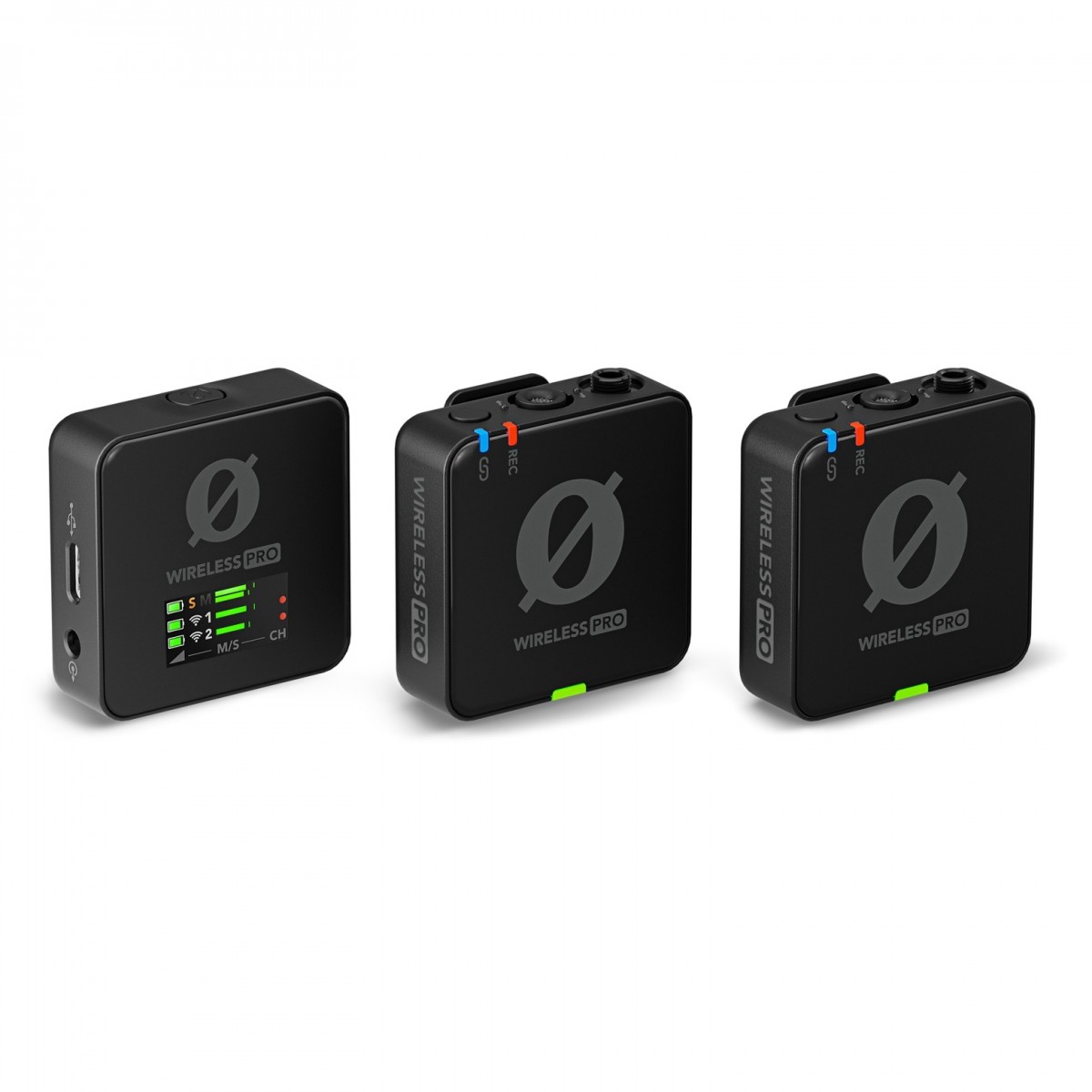
Rode Wireless PRO
Pros
  • 32-bit float on-board recording on every transmitter
  • Timecode sync for fast multi-cam editing
  • Dual-channel for two-person interviews
  • 40 hours of total battery with the charging case
Cons
  • Expensive — overkill for solo phone creators
  • Bulkier transmitters than the Mic Mini or Lark M2
  • 32-bit float only on-board, not over the wireless link
Hollyland Lark M2
Pros
  • Tiny 9g transmitters disappear on a collar
  • 1000ft (300m) range at a budget price
  • 10-hour transmitter battery (30 with case)
  • Environmental noise cancelling built in
Cons
  • No on-board recording — a failed take is lost
  • No timecode — sync is manual
  • Transmitter battery shorter than the Mic Mini's case

Best Microphones for Content Creators Compared

Shure MV7+Rode PodMic USBHyperX QuadCast 2Elgato Wave:3DJI Mic MiniAudio-Technica AT2020USB-XRode Wireless PROHollyland Lark M2
Best ForAll-in-one USB/XLR creator micBroadcast voice and podcasting on a budgetGaming, streaming and video callsStreamers using Elgato softwareVlogs and interviews on the moveStudio condenser for podcast & YouTubePro interviews & two-person shootsTiny budget wireless for phone video
ConnectionUSB-C + XLRUSB-C + XLRUSB-CUSB-CWireless (USB-C receiver)USB-CWireless 2.4 GHz (TX→RX) + USB-C/3.5mmWireless 2.4 GHz (TX→RX) + USB-C/Lightning
Mic TypeDynamic cardioidDynamic cardioidCondenser, 4 polar patternsCondenser cardioidLavalier clip-onCondenser cardioidLavalier clip-on, 2 TXLavalier clip-on, 9g TX
Recording24-bit, built-in DSP + autolevel32-bit float96kHz/24-bit96kHz/24-bit with Clipguard48kHz/24-bit, 2-step noise cancelling24-bit/96 kHz24-bit wireless link, 32-bit float on-board48kHz/24-bit

How to Choose a Mic for Content Creation

Start with USB unless you know you need XLR. A USB mic plugs straight into your laptop or phone and shows up as an audio device instantly. XLR mics need an interface, which adds cost and a learning curve for zero audible benefit if you are just starting out. The Shure MV7+ and the Rode PodMic USB both give you the USB-C path today and an XLR path later, which is the smartest buy of all.

Dynamic beats condenser for untreated rooms. If you record in a normal bedroom or office without acoustic panels, a dynamic mic like the MV7+ or PodMic USB rejects background noise and room reverb far better than a condenser like the QuadCast 2. Condensers only shine when you have treated the space or accept that your voice will have some room character in it.

Where you record matters as much as what you record into. If you shoot sitting at a desk for YouTube or streaming, a boom-arm-friendly USB dynamic is the workhorse. If you vlog or interview people, a wireless kit like the DJI Mic Mini clips on the talent and follows them around — something no desk mic can do.
Is the Shure MV7+ the Best Creator Mic Overall?

Yes — the MV7+ is the mic every serious creator lands on eventually, and users rate it 4.7/5 across over 3,100 reviews. It is a dynamic cardioid with both USB-C and XLR outputs, so it works as a plug-and-play studio mic today and as a permanent broadcast mic through an interface tomorrow. Shure kept the same motorized touch-panel mute and pop filter built into the grill that made the original MV7 a best-seller.

The reason it dominates is the sound and the auto-levelling. It uses a large-diaphragm dynamic capsule tuned for voice, and the built-in DSP handles EQ, compression and reverb on the mic itself. Real-time autolevel keeps your volume consistent whether you lean in for a whisper or lean back for a shout, which saves hours of editing per video.

The trade-off is price. it is the most expensive mic here by a wide margin, and if your space is treated and you already own an interface, a dedicated XLR dynamic like the SM7B gives you the classic broadcast tone. But for a single mic that does everything from streaming to voiceover to podcasting, nothing else here matches it.

Is the Rode PodMic USB the Best Value Broadcast Mic?

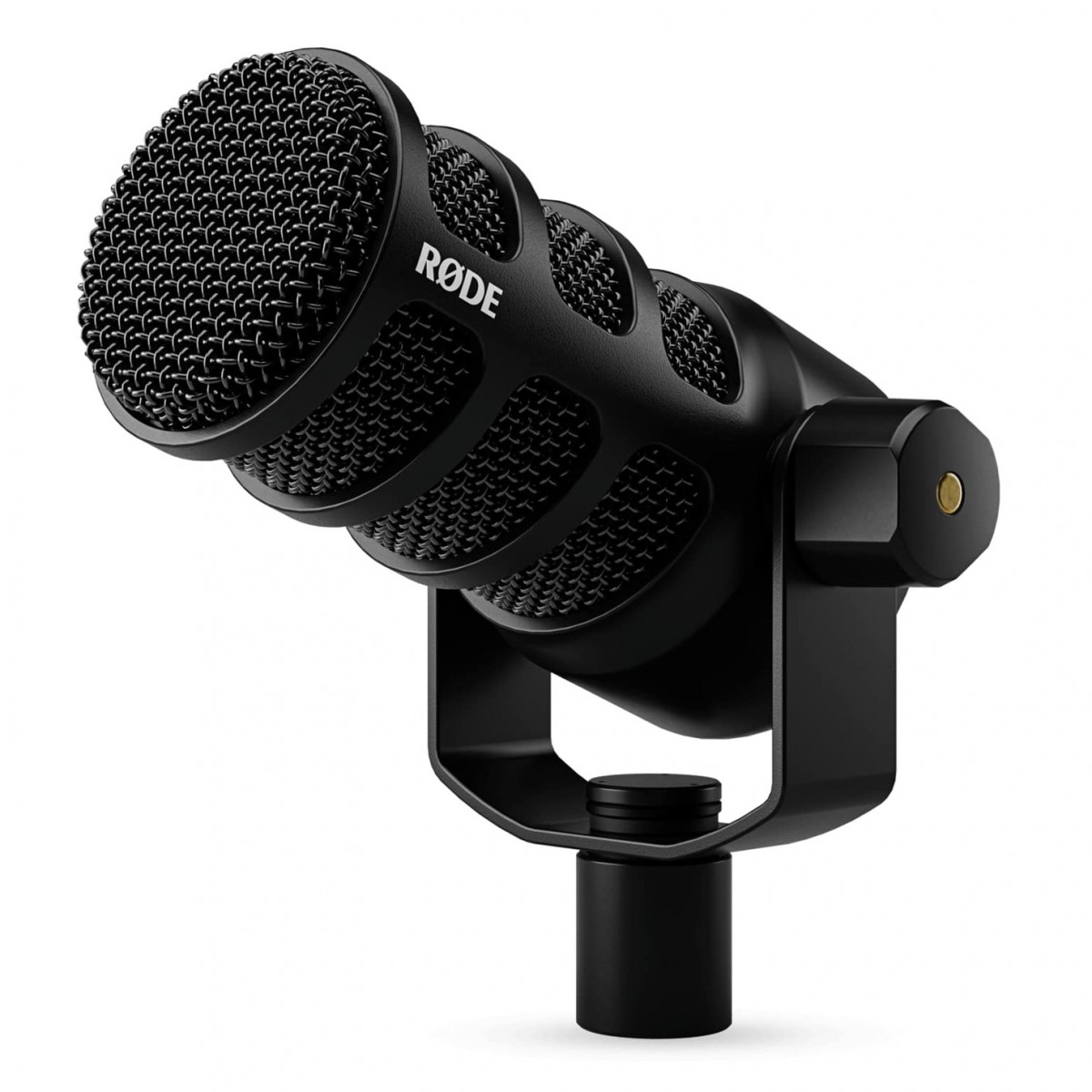
The PodMic USB gives you broadcast-grade dynamic sound with a 4.3/5 rating across over 1,200 user reviews. It takes the same capsule and shock-mounted design as the classic XLR PodMic and adds a USB-C output alongside its XLR jack, a headphone jack for zero-latency monitoring and 32-bit float recording so a loud take never has to be a lost take.

This is the smartest first mic for a podcast or voiceover setup. The dynamic capsule rejects room noise better than any condenser at this price, the built-in magnetic pop filter kills plosives without an external screen, and the mute button and gain dial sit right on the mic. Rode's software adds EQ and compression presets tuned for podcast and voiceover voice.

What you trade is flex. It is strictly a desk mic — there is no wireless mode and it needs a boom arm or stand to sit at the right height. If you want the app-based DSP and auto-levelling of the MV7+ you more, but if broadcast-style talking is your main job, the PodMic USB is the best sound-per-dollar here.

Is the HyperX QuadCast 2 the Best Budget USB Mic?

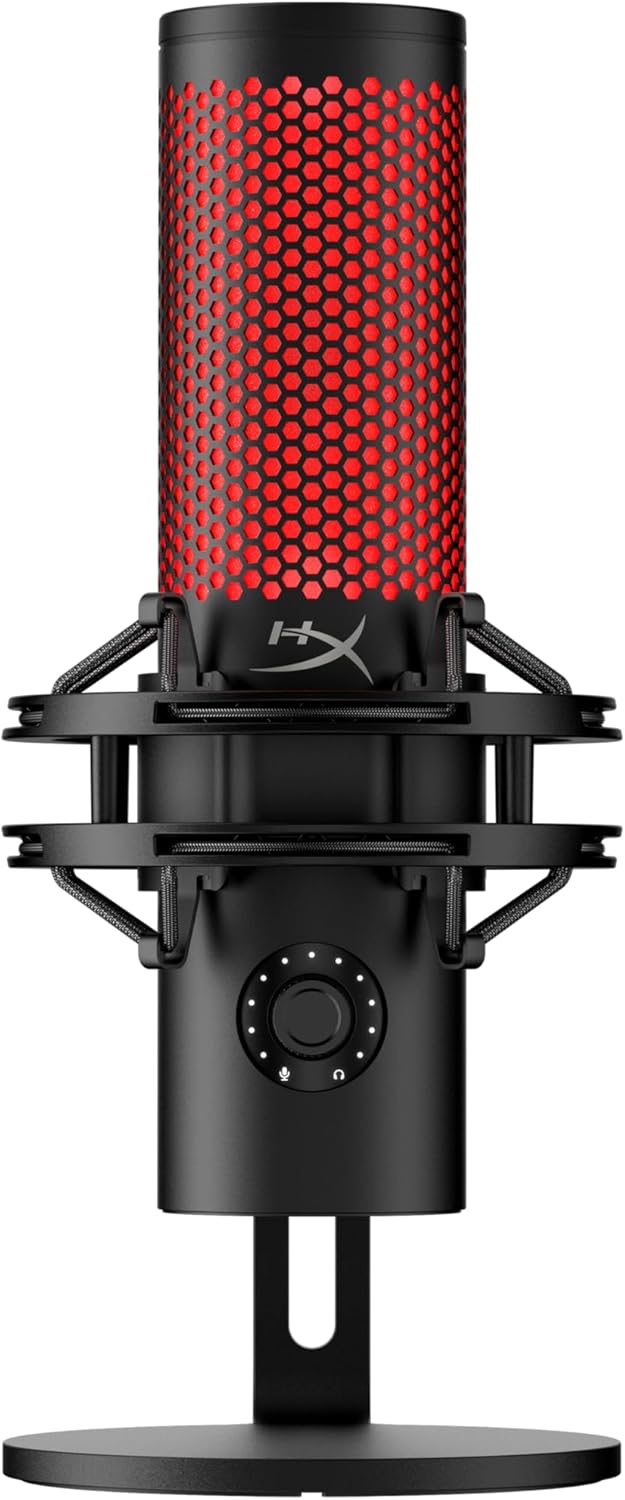
The QuadCast 2 is the best-selling USB mic and users rate it 4.7/5 across over 36,000 reviews — the most proof of any mic in this guide. It is a condenser with a built-in shock mount, integrated pop filter and RGB lighting, so it looks at home on a gaming desk and records clean enough for streams, Discord and video calls.

It records at 96kHz/24-bit, which is more than enough headroom for voice. The tap-to-mute button is backlit and changes color so your stream knows you are muted, the headphone output lets you monitor yourself, and the polar patterns — cardioid, bidirectional, omnidirectional and stereo — cover from solo voice to multi-person roundtables.

The honest limits are room treatment and mounting. As a condenser it picks up room reverb and background noise more than the dynamics above, so it prefers a quieter, less echoey room. The desktop shock mount is excellent, but if you want it on a boom arm you will need a separate adapter. If you stream, game and take calls more than you produce clean voiceover, this is one of the value kings.

HyperX QuadCast 2
Buy at Amazon - $109.99
zZoundsNot Available
Reverb
Gear4musicNot Available
AndertonsNot Available
Music Store

Is the DJI Mic Mini the Best Wireless Mic for Creators?

The Mic Mini is the wireless kit that fits the creator workflow: two 5g transmitters, a USB-C receiver and a charging case at. Users rate it 4.7/5 across over 8,700 reviews, and for phone-first creators it turns any vlog or interview into broadcast-quality audio with zero cabling.

The small size is the whole point. Each transmitter clips invisibly onto a collar or lapel, the receiver plugs straight into a phone's USB-C port, and the case keeps everything charged for up to 48 hours of total recording. Range reaches 400m, and the 2-step noise cancelling keeps room hum and background chatter out of your takes.

Compare it honestly against a desk mic. It is not a replacement for the MV7+ or PodMic USB for studio-style streaming and voiceover — a dynamic desk mic still sounds richer for seated work. But the moment you stand up, walk around or point the camera at someone else, no desk mic competes. If you create content away from a desk, this is the one to add.

DJI Mic Mini (2TX + 1RX + Charging Case)
Buy at Amazon - $78.99
zZoundsNot Available
Reverb
Gear4musicNot Available
AndertonsNot Available
Music Store

Is the Elgato Wave:3 Still the Best Streamer Mic?

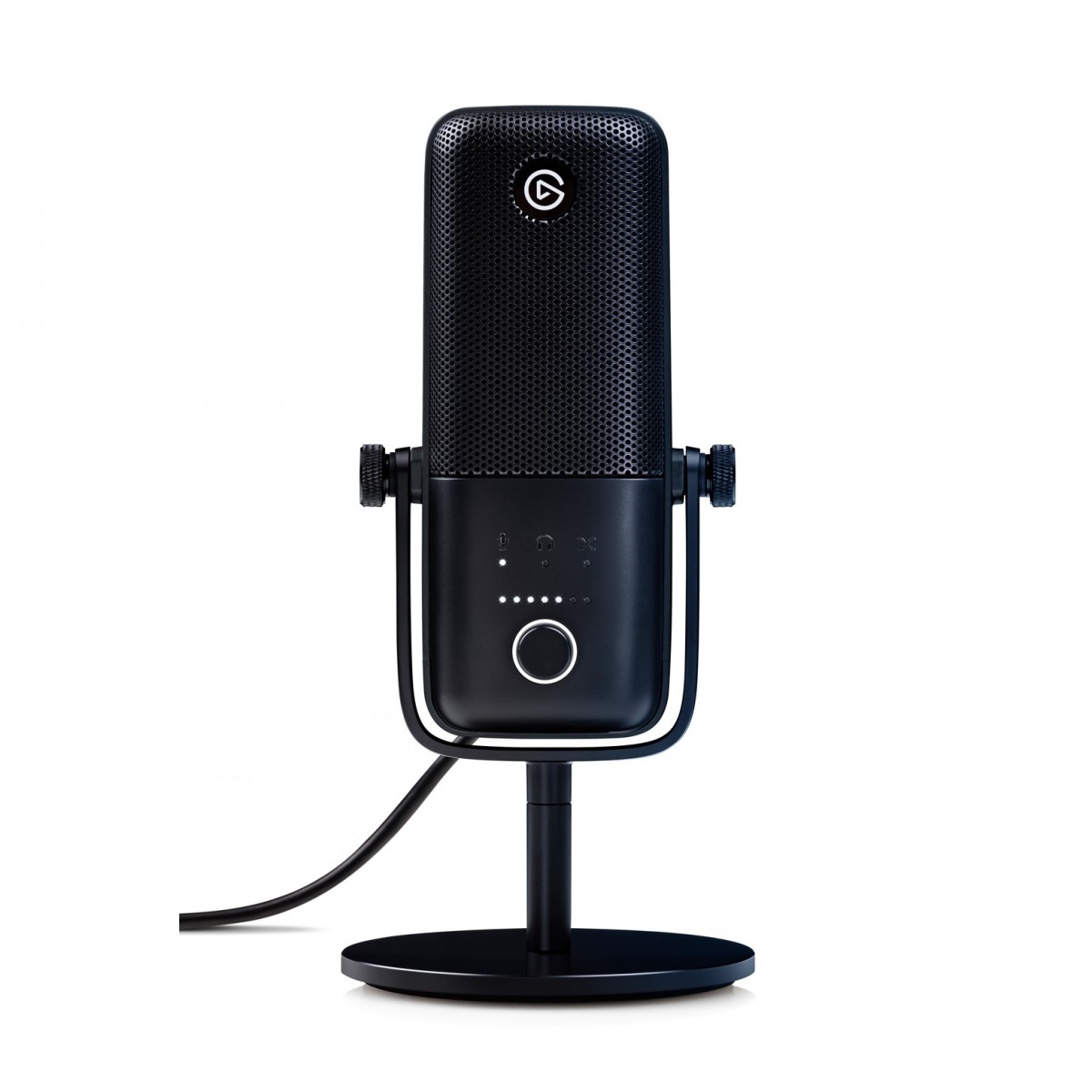
Yes, for streamers who want software control, the Wave:3 remains the benchmark — Users rate it 4.6/5 across over 10,000 reviews. It is a USB condenser with a built-in capacitive mute and clipguard that prevents distortion, and it works with Elgato's Wave Link software, which mixes your mic, game audio, music and Discord into separate channels.

Wave Link is the feature nobody else copies well. Instead of juggling volume sliders across apps, you route each source to its own channel and control them independently, and you can even send your mic to a second output so stream chat hears you while a guest stays on your music channel. That workflow is why it remains a staple on streamer desks.

As a condenser, it wants a treated or quiet room, just like the QuadCast 2 above. If your space is noisy or untreated, the MV7+ or PodMic USB dynamics will flatter your voice more. But if you already run Elgato gear and want the cleanest streaming workflow, the Wave:3 is still the pick.

Elgato Wave:3
Buy at Amazon - $149.99
zZoundsNot Available
ReverbGear4music
AndertonsNot Available
Music Store

Is the Audio-Technica AT2020USB-X a Good Studio Mic for Creators?

The AT2020USB-X brings a genuine studio condenser to USB with Audio-Technica's name behind it — Users rate it 4.5/5 across nearly 800 reviews. It uses the same cardioid capsule lineage as the legendary AT2020 studio mic, and the USB-C output records at 24-bit/96 kHz, which is more headroom than most creator mics need.

It feels like a studio tool rather than a gaming accessory. The capacitive mute button and LED ring look clean on camera, the headphone jack gives you real-time monitoring with a mix dial, and the included desk stand sits solidly on any desk. For podcasters and YouTubers who want a condenser with a pro-brand name, it's the most studio-leaning USB mic here.

The honest trade-off is the room. As a condenser it hears room reverb more than the dynamics in this guide, so it shines in a treated or naturally quiet space. It's also USB-only — there's no XLR output for a future interface. If you want that studio-tuned condenser voice for a desk setup and your room is under control, the AT2020USB-X is a strong addition.

Is the Rode Wireless PRO the Best Two-Person Wireless System?

The Wireless PRO is the pro wireless pick: dual-channel, 32-bit float on-board recording, timecode sync and GainAssist. Each transmitter stores up to 32GB internally and the case charges the whole kit to 40 hours, which makes it the system for interview-heavy content that cannot afford a failed take.

32-bit float is the headline. The wireless link itself is 24-bit, but every transmitter also records internally in 32-bit float — so a clipped or quiet take is always recoverable in post. Timecode sync locks audio to your camera for fast multi-cam editing, and GainAssist sets levels automatically so you never touch a knob mid-interview.

Compare it honestly. It is more system than a solo phone creator needs — the DJI Mic Mini covers single-creator vlogs at a fraction of the price. But for two-person podcasts, interviews and filmmaking where a missed take is not an option, the Wireless PRO is the most reliable wireless audio you can clip on.

Is the Hollyland Lark M2 the Best Budget Wireless Mic?

The Lark M2 is the value wireless pick: two 9g transmitters and a receiver for. Each transmitter clips on invisibly, reaches up to 1000ft (300m), records 48kHz/24-bit and runs 10 hours on its own (30 with the case) — huge range and battery for the money.

Nine grams is the point. The transmitters are small enough to disappear on a collar or lapel, and the magnetic clip attaches to almost any fabric in seconds. Environmental noise cancelling cleans up room tone, and the 70dB SNR keeps voices clear.

Compare it honestly. It lacks the on-board 32-bit float recording and timecode of the Wireless PRO, and single-transmitter battery is shorter than the DJI Mic Mini's 48-hour case. But it is the cheapest dual-transmitter system worth buying — if budget is your ceiling, this is the one.

Hollyland Lark M2
Buy at Amazon - $76.00
zZoundsNot Available
Reverb
Gear4musicNot Available
AndertonsNot Available
Music StoreNot Available

⚠️ Attention:Prices may vary depending on your location; your final total is confirmed in your local currency at checkout. Each store applies its own shipping policy: some offer completely free shipping, others charge a shipping fee, and others provide free shipping above a minimum order amount. Additionally, some stores only ship within the U.S.

Conclusion

If you want one mic that does everything for years, the Shure MV7+ is the best creator microphone overall with its dual USB/XLR outputs and auto-levelling. If broadcast-style voice is your main job on a budget, the Rode PodMic USB is the best sound-per-dollar dynamic. For gaming and streaming the HyperX QuadCast 2 is one of the value kings with 36,000+ reviews. And if you create content away from a desk, add the DJI Mic Mini — no desk mic can clip on and follow you around. If interviews and two-person shoots are your job, the Rode Wireless PRO adds 32-bit float and timecode, while the Hollyland Lark M2 is the cheapest dual-transmitter wireless kit worth buying. If you want a studio-grade condenser for a treated desk setup, the Audio-Technica AT2020USB-X is the most studio-leaning USB mic on this list.

Frequently Asked Questions

What Products Are in This Guide?

Shure MV7+

Shure MV7+

A hybrid USB-C/XLR dynamic podcast microphone with a built-in headphone output, real-time auto level mode, and DSP that keeps your voice consistent on stream. Dark steel-gray finish with a touch screen for quick level checks.
Rode PodMic USB

Rode PodMic USB

Rode's PodMic USB pairs the broadcast sound of the classic dynamic PodMic with a USB-C output, so it works straight into a laptop or phone without an interface. It keeps the internal shock mount and magnetic pop filter, adds a headphone output for zero-latency monitoring and records in 32-bit float, which makes clipped takes recoverable in post.
HyperX QuadCast 2

HyperX QuadCast 2

The QuadCast 2 is a USB condenser with a built-in shock mount, pop filter and RGB lighting that looks and sounds right for gaming and streaming. It records at 96kHz/24-bit, adds a tap-to-mute button with a mic-light status indicator and a headphone output for monitoring, and mounts on any standard boom arm if you outgrow the desktop stand.
Buy at Amazon - $109.99
zZoundsNot Available
Reverb
Gear4musicNot Available
AndertonsNot Available
Music Store
DJI Mic Mini (2TX + 1RX + Charging Case)

DJI Mic Mini (2TX + 1RX + Charging Case)

The Mic Mini is DJI's lightest wireless mic system: two 5g transmitters, a USB-C receiver and a charging case that slips into a pocket. It records 48kHz/24-bit, reaches up to 400m, runs up to 48 hours with the case and has a 2-step noise cancelling that keeps room hum out of your takes, making it the go-to for phone-first creators.
Buy at Amazon - $78.99
zZoundsNot Available
Reverb
Gear4musicNot Available
AndertonsNot Available
Music Store
Elgato Wave:3

Elgato Wave:3

A premium USB condenser microphone with a built-in pop filter, capacitive mute, and multi-function dial. Pairs with Wave Link software for mixing, routing, and per-source effects on your stream.
Buy at Amazon - $149.99
zZoundsNot Available
ReverbGear4music
AndertonsNot Available
Music Store
Audio-Technica AT2020USB-X Cardioid Condenser USB Microphone

Audio-Technica AT2020USB-X Cardioid Condenser USB Microphone

The AT2020USB-X brings Audio-Technica's studio condenser sound to USB: a cardioid capsule with 24-bit/96 kHz conversion, a headphone jack with mix control, a capacitive mute button and an LED ring. It's a genuine step-up for podcasters and streamers who want a real studio condenser without an interface, and the desk stand is included.
Rode Wireless PRO

Rode Wireless PRO

Rode's Wireless PRO is a dual-channel wireless system with 32-bit float on-board recording, timecode sync and GainAssist. Each transmitter stores up to 32GB internally and the whole kit records 40 hours, which makes it the go-to for interview-heavy content that cannot afford a failed take.
Hollyland Lark M2

Hollyland Lark M2

The Hollyland Lark M2 is a tiny wireless mic that weighs just 9g per transmitter yet reaches up to 1000ft (300m). It records 48kHz/24-bit audio with a 70dB SNR and 115dB max SPL, runs 10 hours on the transmitters (30 with the case) and includes environmental noise cancelling.
Buy at Amazon - $76.00
zZoundsNot Available
Reverb
Gear4musicNot Available
AndertonsNot Available
Music StoreNot Available

Reviews

(0 reviews)
SoundBetter Fiverr
Cuban Tres, Bass & Guitar - played and recorded with my personal gear