


 Gear4Music
 Andertons
 Music Store
 zZounds
 Plugin Boutique
The 9 Best Shotgun Mics for Film & Video (2026)
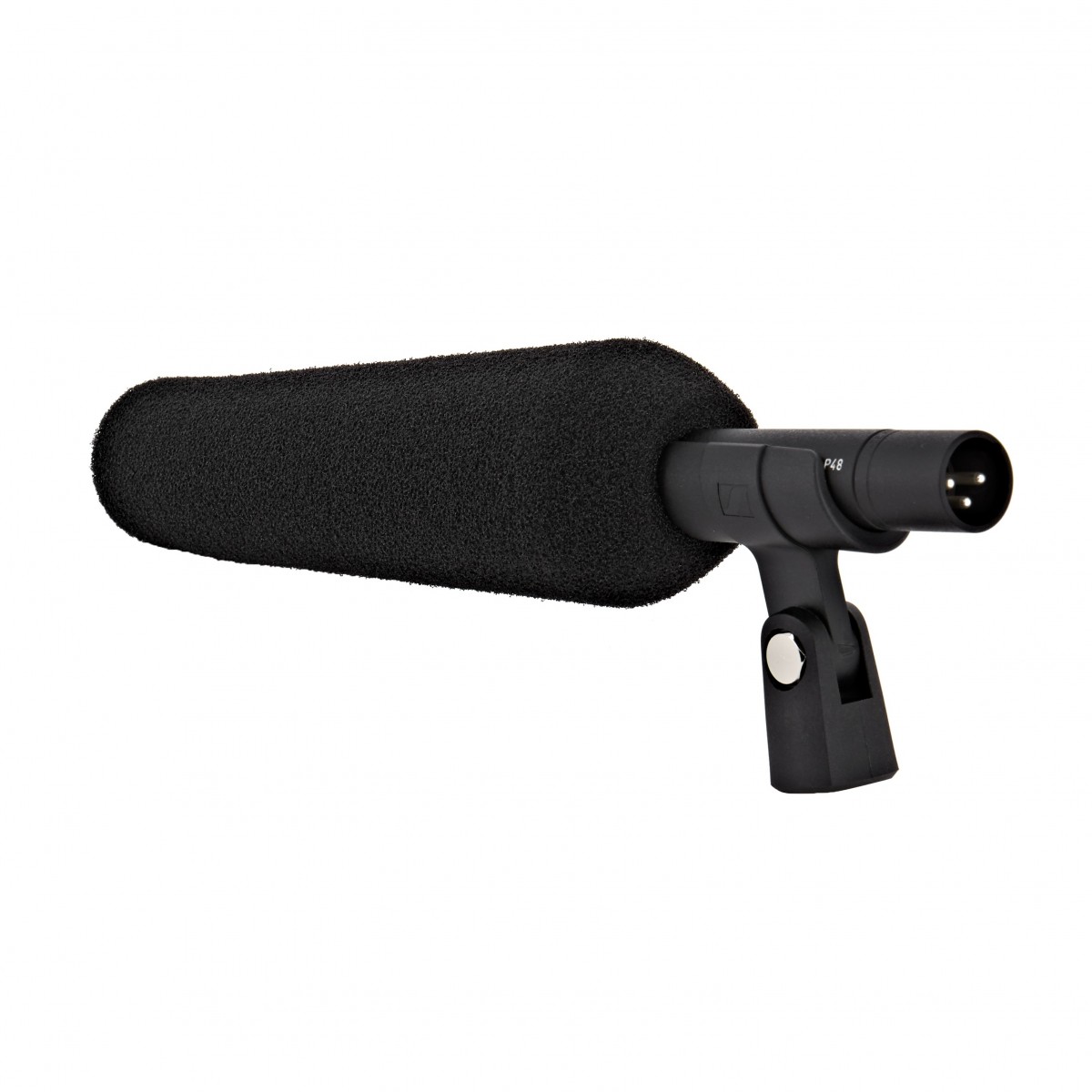
A great shotgun mic is the difference between amateur hiss and broadcast-ready dialogue. These are the nine boom and camera-mount shotguns that consistently earn their keep - from the starter to the industry-standard MKH 416.
Verdict
The MKH 416 wins on proven reliability and resale value; the NTG5 wins on weight and noise floor; the MKE 600 wins for everyone else.
Sennheiser MKH 416
Pros
- RF-condenser design is virtually immune to humidity and temperature changes
- Industry-standard supercardioid reach that flatters dialogue with minimal EQ
- Legendary durability - decades of rental-house abuse are normal for this mic
- Holds resale value better than almost any microphone
Cons
- Requires 48V phantom power - no battery option
- Only the specialist MKH 50 costs more in this guide
- Metal body is heavier than modern lightweight shotguns
- Included clip is basic; you will want a quality suspension
Rode NTG5
Pros
- Quietest mic here at 10 dBA - dialogue stays clean in quiet scenes
- At 76 g, long boom takes are effortless
- RF-bias circuit shrugs off humidity like the 416
- Complete kit: WS10 windshield, cable, mount and hard case
Cons
- 120 dB SPL ceiling limits headroom on loud sets
- 3.5mm output is less road-proof than locking XLR
- Costs more than the MKE 600 for similar reach
- Needs phantom or USB-C power - no battery option
Sennheiser MKE 600
Pros
- Supercardioid reach and switchable low-cut at a third of the 416's price
- Runs on one AA or 48V phantom - fits any rig
- 132 dB SPL handles loud scenes without a pad
- Real metal body and XLR connection
Cons
- 15 dBA self-noise is audible in very quiet rooms
- Battery/phantom switch is easy to leave in the wrong position
- No worthwhile suspension or windshield included
- Rear lobe picks up more room than RF designs
Audio-Technica AT875R
Pros
- True 175 mm short shotgun fits rigs where full broadcast tubes cannot
- Integral XLRM connector - no cable joint to fail at the mic end
- Disciplined line-plus-gradient pattern with clean side rejection
- Runs on any phantom supply from 11-52 V, so almost every recorder feeds it
Cons
- No battery option - you need phantom power everywhere you shoot
- About 20 dBA self-noise asks for clean preamps in quiet scenes
- Top end less refined than pricier tubes in this guide
- Fixed design: no pad or low-cut switches on the mic
Deity S-Mic 3
Pros
- Measured 12 dBA self-noise undercuts the 416 on paper
- 80 g - the lightest full-size boom here
- Weather-resistant aluminum body tested to 95% humidity
- Neutral tone that sits dialogue forward without coloration
Cons
- Sold mainly direct - store availability is spotty
- Shorter brand track record than Sennheiser or Rode
- P24/P48 only - no battery option
Rode VideoMic NTG
Pros
- Studio-grade NTG-series sound on the hot shoe
- Doubles as a USB-C audio interface for voiceovers
- Auto power-on with the camera and 30+ hour rechargeable battery
- Infinitely variable gain, pad, safety channel and filters
Cons
- 120 dB SPL ceiling like its boom siblings
- Reach cannot replace a real boom
- Analog output limited to 3.5mm
Rode VideoMic GO II
Pros
- makes it the cheapest genuine shotgun upgrade in this guide
- Dual output: TRS for cameras and USB-C digital for phones, tablets and laptops
- Just 33 grams on the mic body - 89 g fully rigged with the Helix mount
- Never needs batteries: powered by plug-in or USB-C bus power
Cons
- No gain control, pad or headphone monitoring on the mic itself
- Levels must be set on your camera, phone or app
- Less reach than any full-size boom here
- Foam-only windshield; real wind calls for an accessory
Sennheiser MKE 400
Pros
- Easiest upgrade from any built-in camera mic
- 100+ hours from two AAA batteries
- Headphone output for monitoring what you record
- TRS/TRRS auto-sensing works on cameras and phones
Cons
- 20 dB self-noise is audible in silent rooms
- Plastic build next to metal-body rivals
- Modest reach limits framing choices
Sennheiser MKH 50
Pros
- The reference indoor dialogue mic - no interference-tube rear lobe grabbing wall reflections
- Same RF-condenser humidity immunity as the MKH 416
- 12 dBA self-noise with switchable -10 dB pad and low-cut
- Ships complete with MZS 40 suspension and MZW 41 windshield
Cons
- it costs nearly double the MKH 416
- Needs 48V phantom power - no battery option
- Outdoors it cannot match a long shotgun's side rejection
- Specialist tool: overkill if you mostly shoot outside
Best Shotgun Mics Compared
| MKH 416 | NTG5 | MKE 600 | AT875R | S-Mic 3 | VideoMic NTG | VideoMic GO II | MKE 400 | MKH 50 | |
|---|---|---|---|---|---|---|---|---|---|
| Type | Boom, RF-condenser | Boom, RF-bias | Boom, condenser | Boom, line+gradient | Boom, condenser | On-camera shotgun | On-camera shotgun | On-camera shotgun | Supercardioid, RF-condenser |
| Self-noise | 13 dBA | 10 dBA | 15 dBA | ~20 dBA | 12 dBA | 15 dBA | Not specified | 20 dBA | 12 dBA |
| Max SPL | 130 dB | 120 dB | 132 dB | 126 dB | 130 dB | 120 dB | 120 dB | 132 dB | 134 dB (142 w/ pad) |
| Power | 48V phantom | USB-C · P48/P24 | AA · 48V | 11-52V phantom | P24/P48 | Li-ion USB-C | TRS plug-in · USB-C bus | 2×AAA | 48V phantom |
| Output | XLR | 3.5 mm TRS | XLR | XLR (integral) | XLR | 3.5 mm + USB-C | 3.5 mm + USB-C | 3.5 mm TRS/TRRS | XLR |
| Weight | 165 g | 76 g | 128 g | 80 g | 80 g | 94 g | 33 g mic · 89 g rigged | 93.5 g | ~100 g |
| Frequency Response | 40 Hz-20 kHz | 20 Hz-20 kHz | 40 Hz-20 kHz | 90 Hz-20 kHz | 50 Hz-20 kHz | 20 Hz-20 kHz | 20 Hz-20 kHz | 50 Hz-20 kHz | 40 Hz-20 kHz |
| Battery Life | Phantom only | USB-C bank / 48V | ~150 h (AA) | Phantom only | 48V only | 30+ h (Li-ion) | None needed | 2xAAA | Phantom only |
| Best For | Broadcast & film sets | Documentary & solo shooters | Indie filmmaking | Compact rigs & travel | Pro indie budgets | Run-and-gun video | Phones, laptops & vlogs | First camera upgrade | Indoor dialogue & reflective rooms |
How to Choose the Best Shotgun Microphone?
Shotgun mics use interference tubes to reject sound from the sides, which is exactly what you want when dialogue must float above traffic, crowds or room reflections. Three specs matter most. Self-noise below 16 dBA keeps quiet scenes clean. An RF-bias or waterproof design survives humid locations that destroy ordinary condensers. And a supercardioid lobe gives you forgiving placement on the boom without losing isolation. On-camera models trade some reach for convenience - they sit closer to the lens than to your subject - while full-size booms reward you with cinema-grade separation. Match the mic to how you actually shoot, and any of the picks below will outperform your camera's built-in audio by a mile.
Best Overall: Sennheiser MKH 416
The MKH 416 is the shotgun you hear on almost every TV set and news stand-up. Its RF-condenser capsule is famously immune to humidity and temperature swings, which is why location crews trust it from desert exteriors to tropical rain. The supercardioid pattern reaches cleanly across a boom-length gap, and the flat, present response needs almost no EQ to sit in a mix. it costs more than most beginner kits entirely - but it also holds resale value like few mics in this business. If you shoot for clients, this is the last shotgun you may ever need to buy.
Best Modern Alternative: Rode NTG5
The NTG5 brings shotgun design into the 2020s. At just 76 grams it is the lightest full-size boom in this guide and disappears on a pole during long takes, while its RF-bias circuit measures a class-leading 10 dBA of self-noise - quieter than mics costing twice as much. It powers from P48/P24 phantom or straight off a USB-C power bank, and the kit ships genuinely complete: WS10 windshield, high-grade cable, mount and hard case. Tonally it reads slightly warmer than the 416 rather than brighter, which flatters naturalistic documentary dialogue. The trade-offs: a 120 dB SPL ceiling gives less headroom for shouting actors, and the 3.5mm jack feels less road-proof than a locking XLR.

Best Value Boom: Sennheiser MKE 600
No shotgun has launched more indie careers than the MKE 600. you get genuine supercardioid reach, a switchable low-cut for handling rumble, and the rare flexibility of running on one AA battery or 48V phantom - so it pairs with anything from a Zoom recorder to a cinema camera. Its self-noise is higher than the NTG5's, and the plastic body won't survive the abuse a 416 shrugs off, but for narrative shorts, weddings and YouTube productions it remains the benchmark every budget mic is measured against.

Best Ultra-Compact Boom: Audio-Technica AT875R
The AT875R is the shortest way to real boom rejection. At just 175 mm and 80 grams it slots into cramped interiors, handheld rigs and travel kits where full broadcast tubes will not fit, yet it keeps a disciplined line-plus-gradient pattern with clean side rejection. The XLRM connector is integral, so there is no cable joint to rattle at the mic end. It runs on any phantom supply from 11-52 V - but there is no battery option, so plan your power. Its roughly 20 dBA self-noise wants decent preamps and the top end is less refined than pricier tubes here. Still, it turns any recorder into a legitimate dialogue rig.
Best Budget Pro: Deity S-Mic 3
Deity built the S-Mic 3 to embarrass mics twice its price. An all-aluminum weather-resistant body (tested to 95% humidity), just 80 grams and a measured 12 dBA self-noise - quieter than the 416 on paper - make it sound far more expensive than. The tonal balance is neutral and honest, sitting dialogue forward without coloration. Timecode-synced filmmakers already trust Deity wireless; this boom completes the ecosystem. The trade-offs are practical, not sonic: availability outside direct channels is spottier than Sennheiser or Rode, the company's track record is shorter, and there is no battery option - it needs P24 or P48 phantom.
Best On-Camera: Rode VideoMic NTG
The VideoMic NTG collapses the boom bag into the hot shoe. It borrows the NTG-series capsule family, adds infinitely variable gain, a -20 dB pad, safety channel, 75/150 Hz filters and even doubles as a USB-C audio interface for voiceovers. Auto power-on wakes it with the camera, and the internal battery charges over USB-C. It cannot match a proper boom for reach, but for run-and-gun docs, vlogs and B-roll it replaces an entire audio chain with one rechargeable unit.
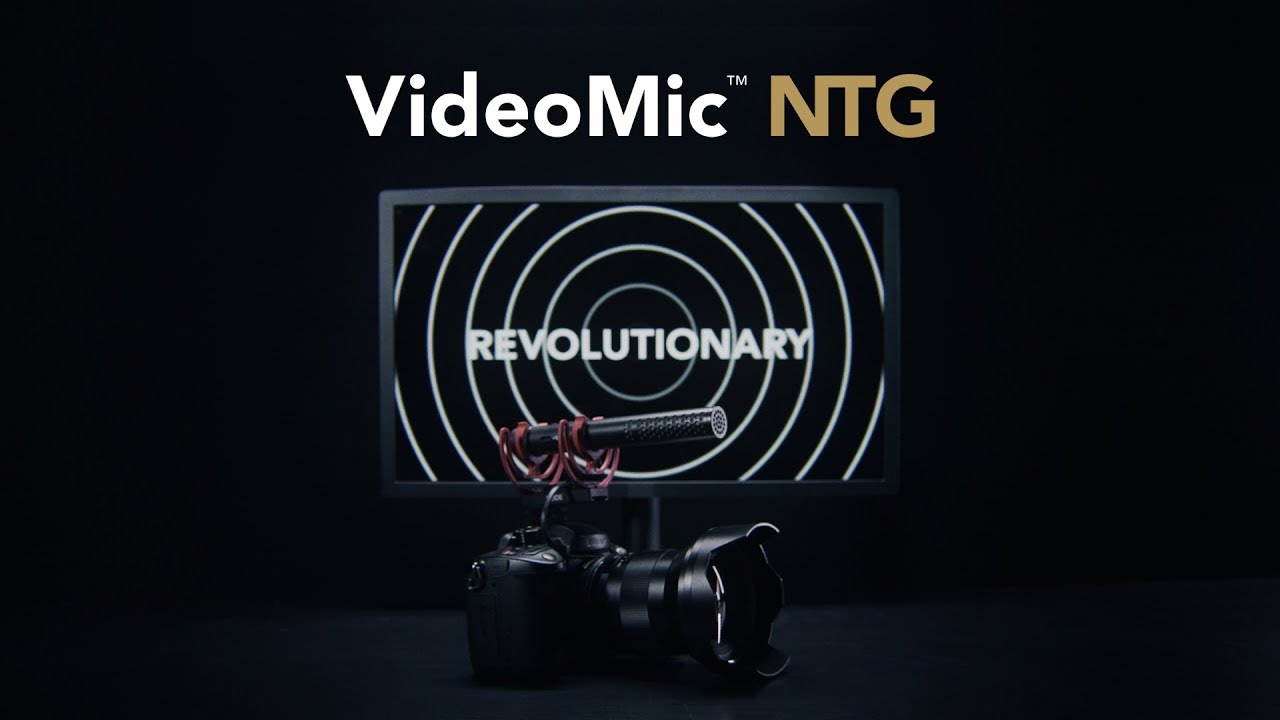
Best Budget On-Camera: Rode VideoMic GO II
The VideoMic GO II is the one-take, no-menu microphone. you get a 33-gram line-plus-gradient capsule with dual output: plug it into a camera's 3.5 mm jack and it switches on automatically, or go USB-C for digital audio straight into a phone, tablet or laptop - no batteries, ever. It borrows the broadcast tuning of the NTG series but strips everything else away: there is no gain wheel, no pad and no headphone jack, so levels live on your device. For vlogs, video calls, livestreams and run-and-gun B-roll it is the fastest professional-sounding upgrade money can buy.

Best Starter Upgrade: Sennheiser MKE 400
The MKE 400 is the painless first step beyond your camera's built-in mic. Three gain stages tame loud or quiet sources, the integrated windscreen tames light breeze, and 100+ hours from two AAA batteries mean you forget about it until wrap. A headphone output lets you monitor what you actually recorded, and TRS/TRRS auto-sensing mounts it on mirrorless bodies and phones alike. Reach is modest and self-noise is audible in silent rooms, so it will not replace a boom for narrative work. But it makes every run-and-gun video instantly more professional.

Best for Indoor Dialogue: Sennheiser MKH 50
The MKH 50 is what sound mixers reach for when walls get close. It shares the 416's RF-condenser humidity immunity and its 12 dBA self-noise, but trades the interference tube for a pure supercardioid - no rear lobe grabbing wall reflections, no comb-filtering in reverberant rooms. That is why it is the standard indoor dialogue mic on scripted sets, paired with the 416 outdoors. A switchable -10 dB pad and low-cut tame hot rooms, and it ships genuinely complete with the MZS 40 suspension and MZW 41 windshield. it is a specialist's tool - but if you shoot mostly interiors, nothing here flatters dialogue like it.
⚠️ Attention:Prices may vary depending on your location; your final total is confirmed in your local currency at checkout. Each store applies its own shipping policy: some offer completely free shipping, others charge a shipping fee, and others provide free shipping above a minimum order amount. Additionally, some stores only ship within the U.S.
Conclusion
For dedicated boom work the Sennheiser MKH 416 remains the professional default, with the Rode NTG5 as its lighter modern rival and the MKH 50 ruling reflective interiors. Indie budgets should buy the MKE 600 without hesitation. For camera-top duty, the VideoMic NTG is unmatched, and the MKE 400 is the easiest first upgrade.
Frequently Asked Questions
What Products Are in This Guide?
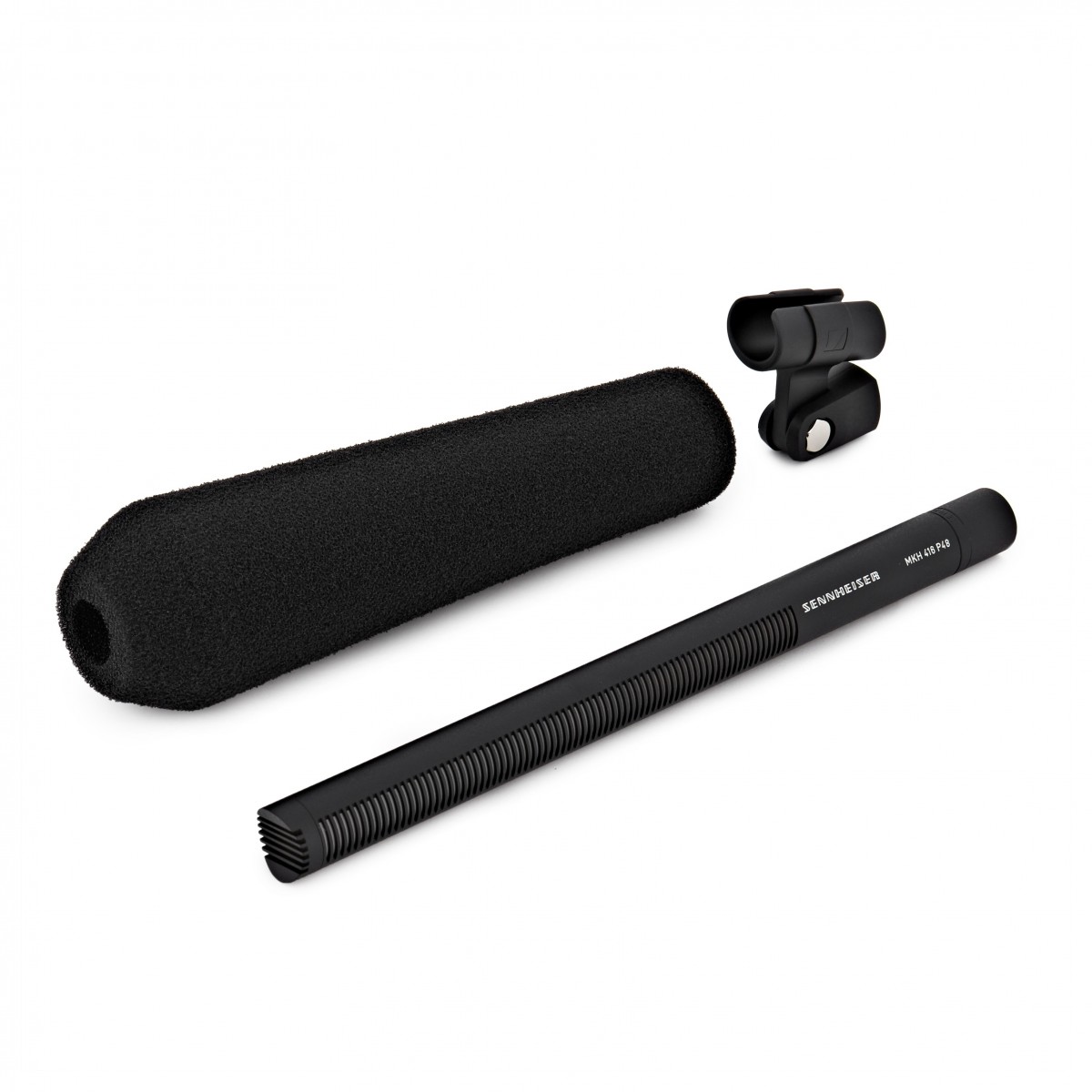
Sennheiser MKH 416 Shotgun Microphone
The broadcast-industry standard short shotgun. RF-condenser design shrugs off humidity, supercardioid reach and a tight pattern that isolates dialogue on noisy sets.
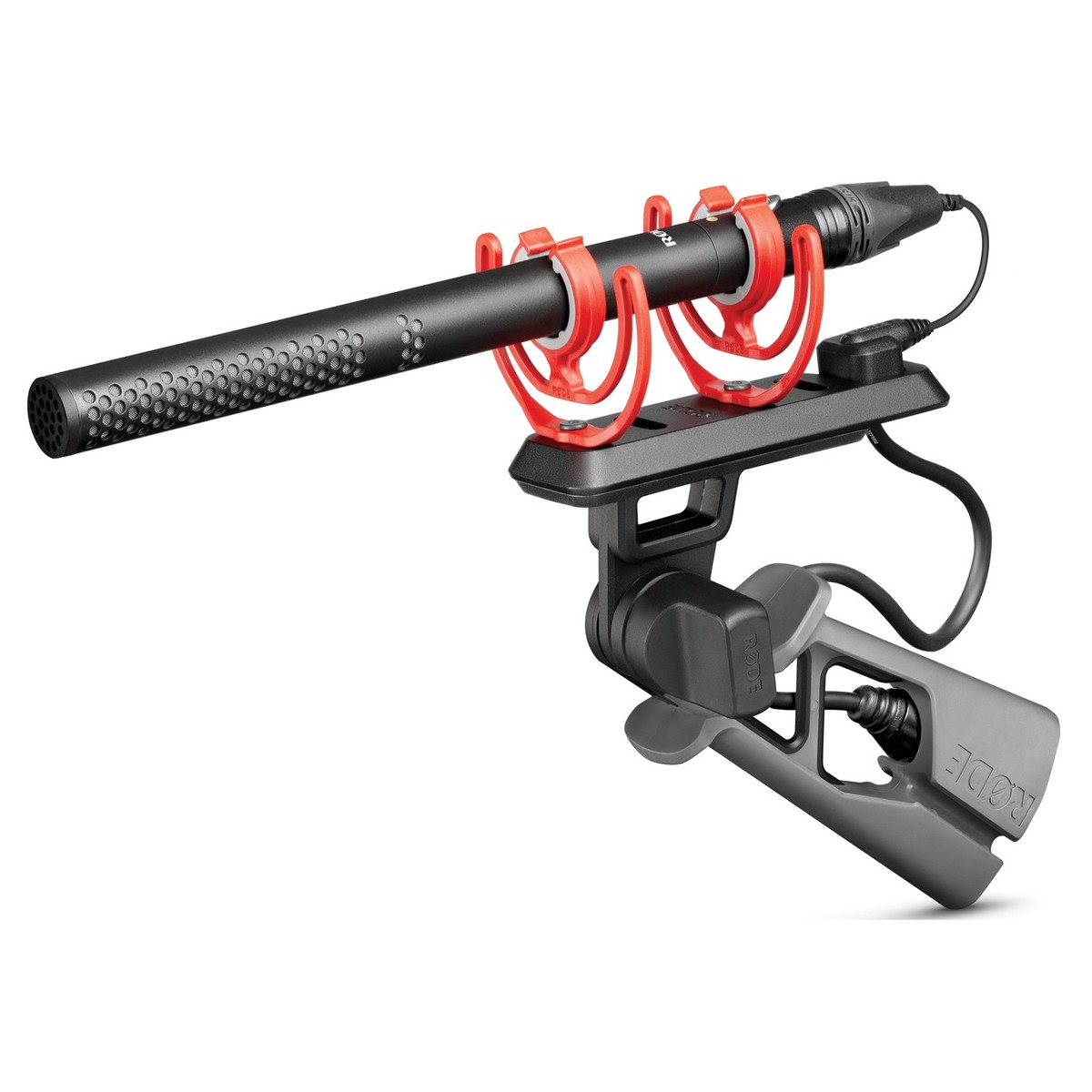
Rode NTG5 Shotgun Microphone Kit
Featherweight (76 g) aluminum shotgun with RF-bias architecture and class-leading 10 dBA self-noise, plus a genuinely complete kit: WS10 windshield, cable, mount and case.
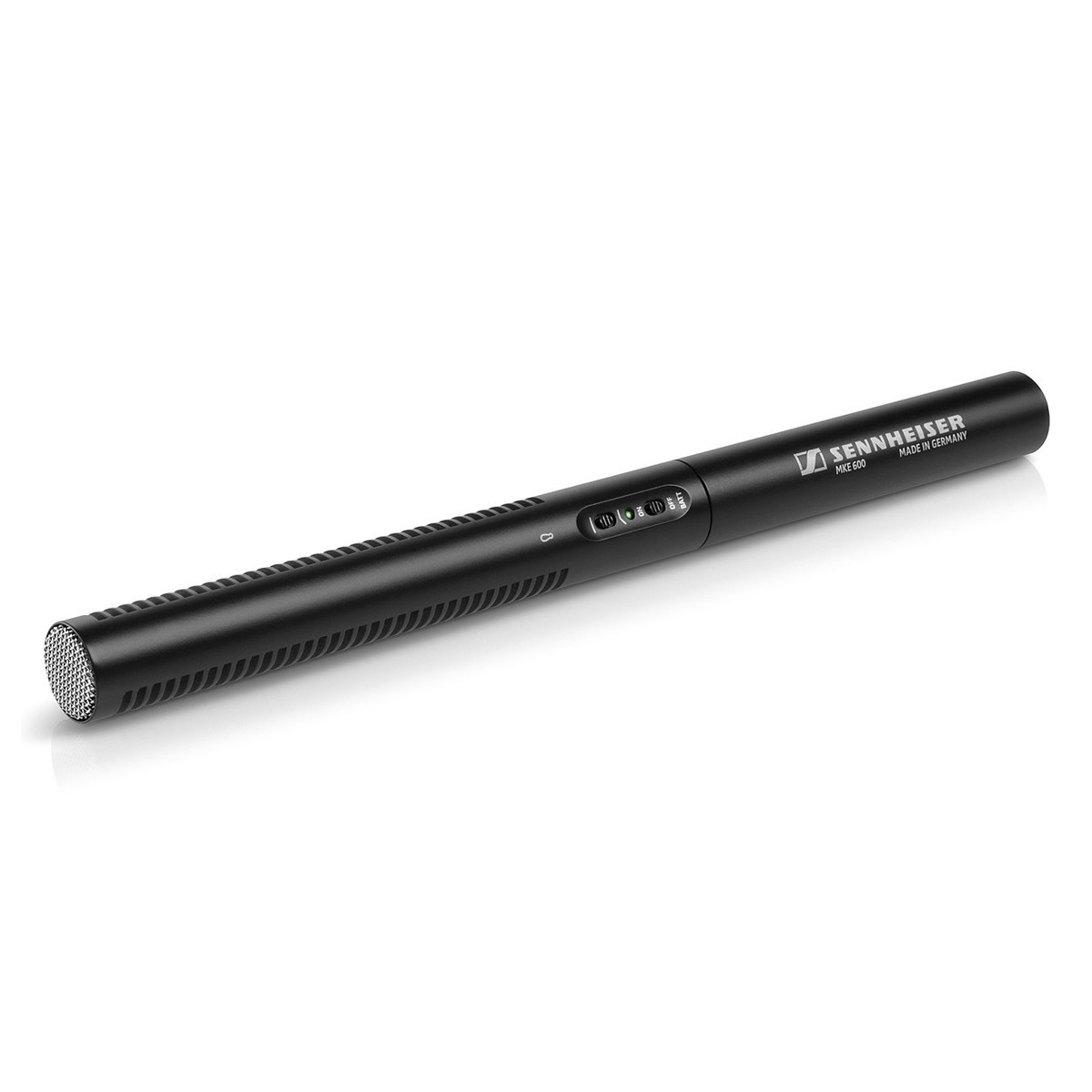
Sennheiser MKE 600 Shotgun Microphone
The indie filmmaker favorite: supercardioid reach with switchable low-cut and a battery/phantom design that works with any camera or recorder rig.

Audio-Technica AT875R Short Shotgun Microphone
A true short shotgun at 175 mm and 80 g with a disciplined line-plus-gradient pattern and an integral XLRM connector. Runs on 11-52V phantom from virtually any recorder or mixer.
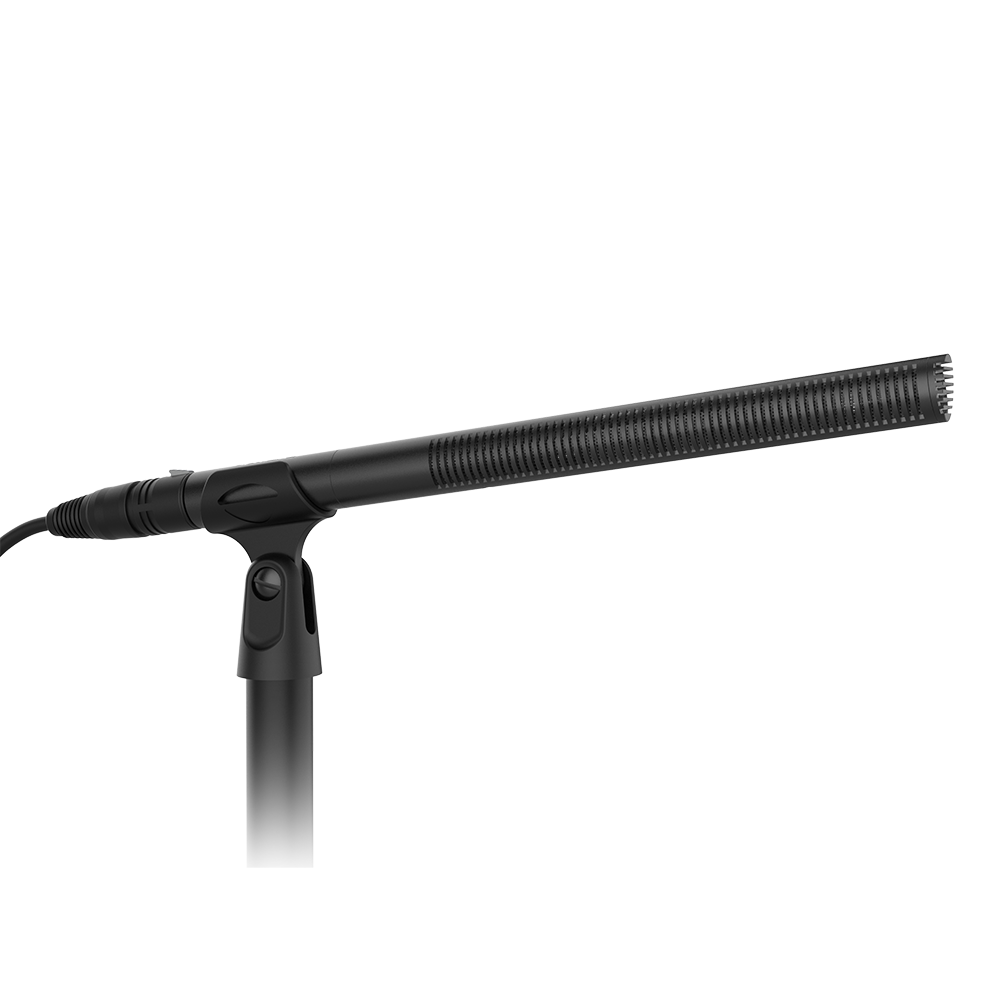
Deity S-Mic 3 Shotgun Microphone
Deity's flagship all-aluminum weather-resistant shotgun with a measured 12 dBA self-noise and a neutral, honest tone that punches far above its price bracket.
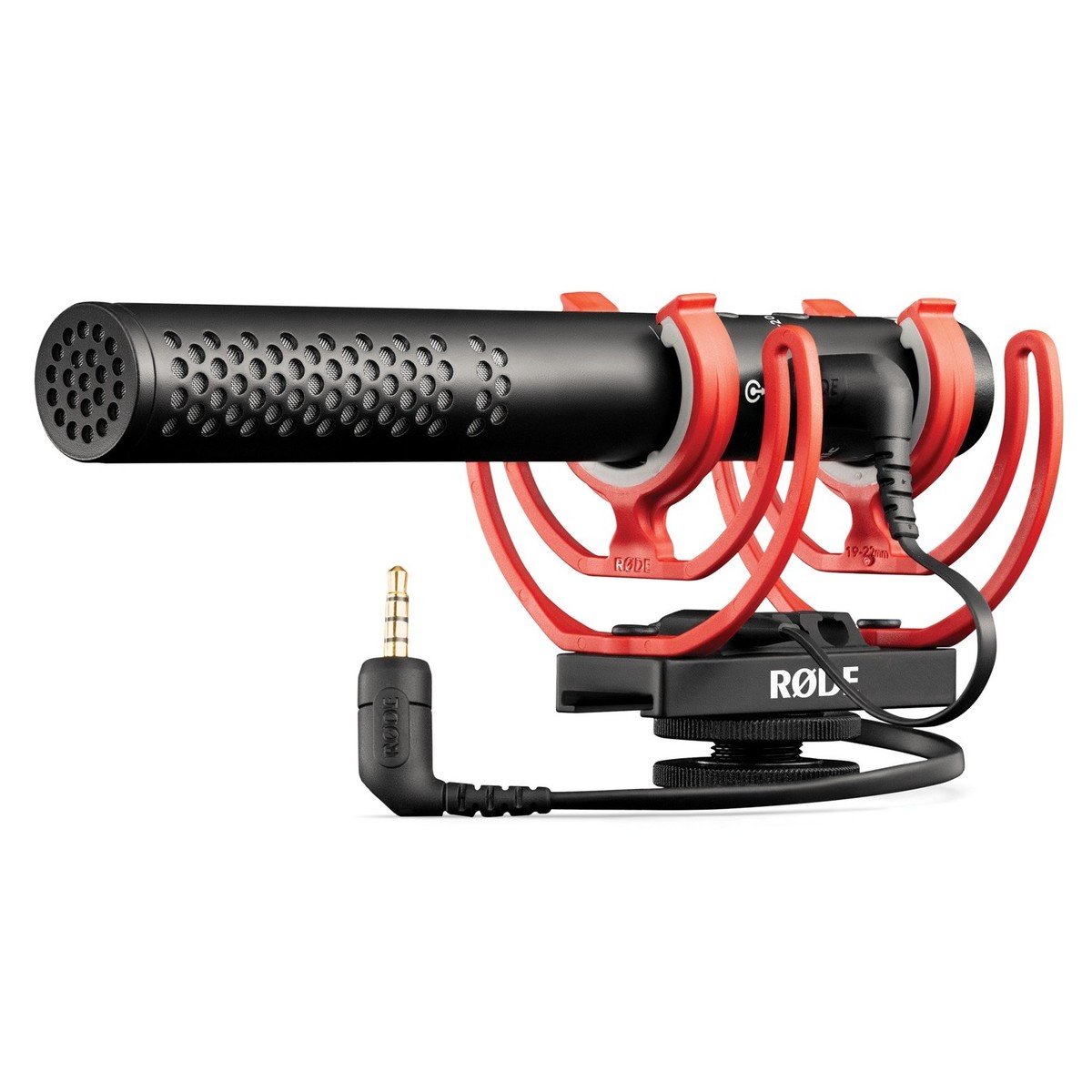
Rode VideoMic NTG On-Camera Shotgun
A studio-grade shotgun for your camera hot shoe: rechargeable, infinitely variable gain, safety channel, USB-C audio interface mode and auto power-on/off.

Rode VideoMic GO II Helix On-Camera Shotgun
The one-take shotgun: a 33 g line-plus-gradient capsule with automatic TRS output for cameras plus USB-C digital audio for phones, tablets and laptops. No batteries, no menus.
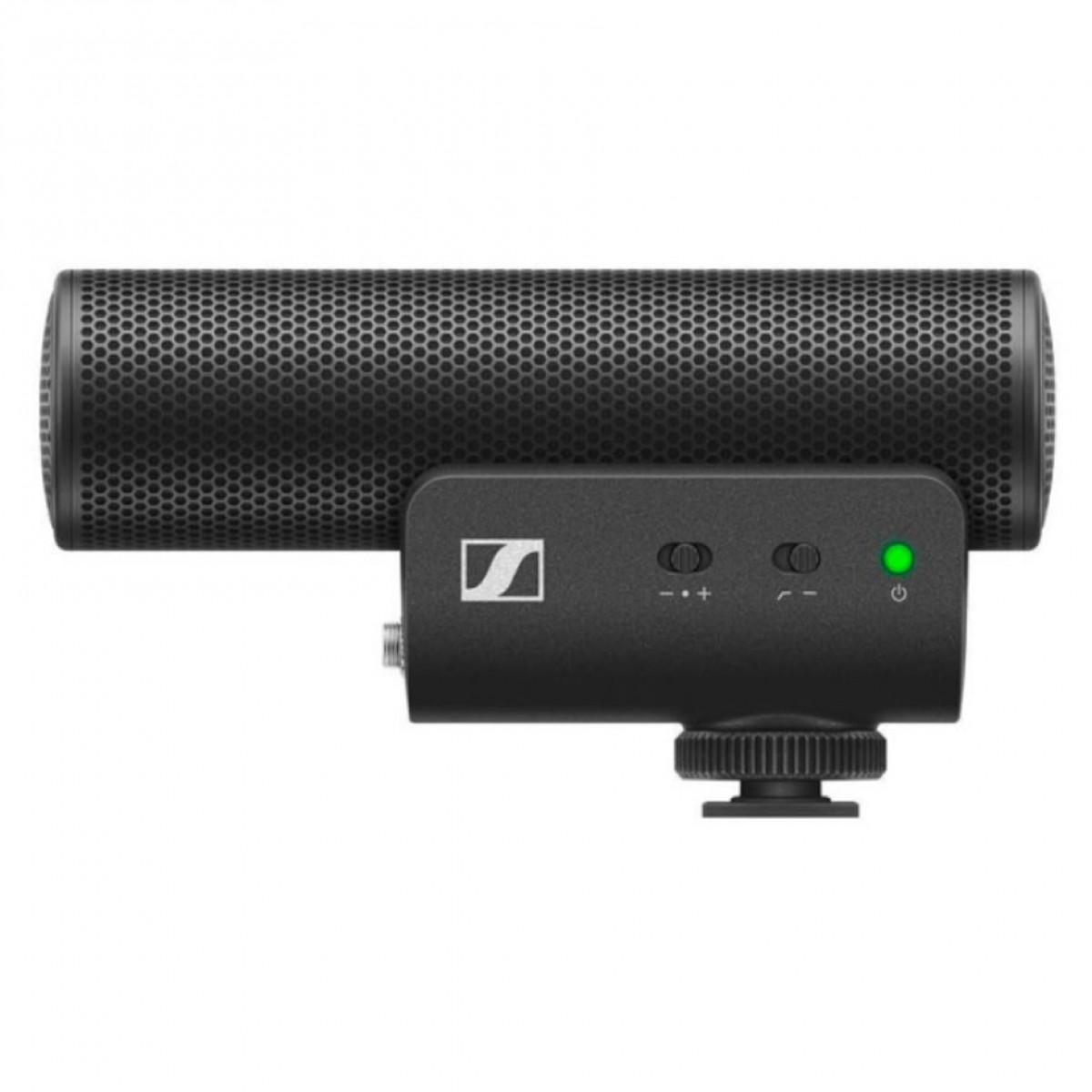
Sennheiser MKE 400 Compact Shotgun
Pocket-sized supercardioid with 3-stage gain, integrated windscreen, headphone output and 100+ hours from two AAA batteries - the easiest upgrade from any camera's built-in mic.

Sennheiser MKH 50-P48 Supercardioid Microphone
The reference indoor dialogue mic: RF-condenser supercardioid with 12 dBA self-noise, switchable -10 dB pad and low-cut. Includes the MZS 40 suspension and MZW 41 windshield.
Reviews
(0 reviews)
Cuban Tres, Bass & Guitar - played and recorded with my personal gear