Cuban Tres, Bass & Guitar - played and recorded with my personal gear
Guides My Setup About Me

Best Headphones for Mixing and Mastering on a Budget (2026)

Best Headphones for Mixing and Mastering on a Budget (2026)

Mixing on headphones is no longer a compromise — modern headphones deliver frequency response and detail that rival studio monitors. But not all headphones are suitable for critical mixing. You need a neutral, detailed sound that translates well to other systems. After years of mixing on headphones in home studios, here are my top picks for every budget.

What Makes a Headphone Good for Mixing and Mastering?

Neutral frequency response is the most important quality for mixing headphones. You need headphones that do not color the sound — what you hear is what you get. Colored headphones (like Beats or consumer Sony models) boost bass and treble to sound impressive, but they will cause you to mix too little bass and too much treble, resulting in mixes that sound bad on other systems.

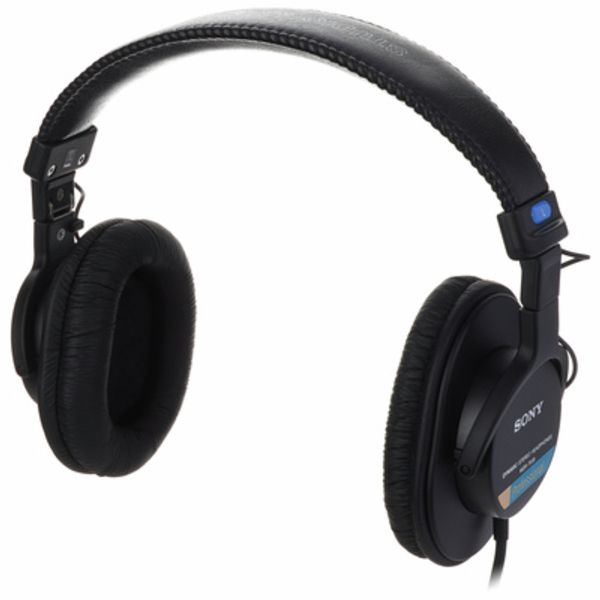
Open-back vs closed-back: Open-back headphones (like the DT 990 Pro or HD 600) have perforated ear cups that let air pass through. This creates a wider, more natural soundstage — like listening to speakers in a room. They are ideal for mixing and critical listening. Closed-back headphones (like the DT 770 Pro or MDR-7506) isolate sound and prevent bleed. They are better for tracking (recording vocals or instruments) and portable use.

Comfort matters for long sessions. Mixing sessions can last 4-8 hours. Heavy headphones with tight clamping force will cause fatigue. Look for lightweight designs with velour ear pads and adjustable headbands. The Beyerdynamic DT series is legendary for comfort — you can wear them all day without noticing. For a broader selection, see our best studio headphones guide.
Audio-Technica ATH-M50xSony MDR-7506Beyerdynamic DT 990 ProSennheiser HD 600

Beyerdynamic DT 990 Pro — The Best Open-Back Headphones for Mixing on a Budget

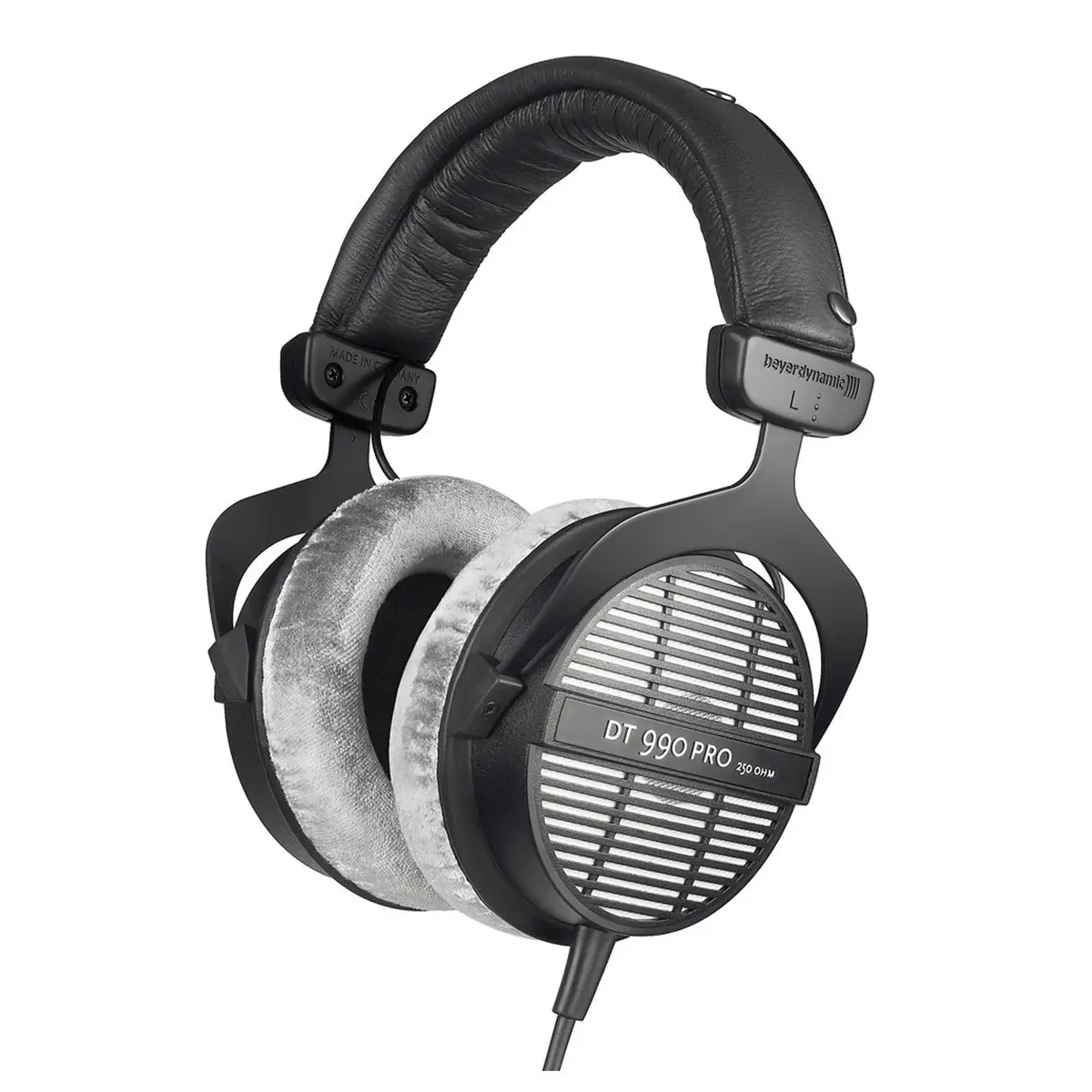
The Beyerdynamic DT 990 Pro ($159) is my top recommendation for mixing headphones under $200. They have been an industry standard for decades — used in professional studios worldwide. The open-back design delivers a wide soundstage with excellent stereo imaging, making it easy to place instruments in the mix.

The DT 990 sound signature: Slightly elevated highs (the "Beyerdynamic treble spike") give detailed, revealing top-end that makes it easy to hear sibilance, harshness, and mix issues. The bass is punchy and well-defined but not exaggerated. This frequency balance forces you to mix with restraint — your mixes will translate well to other systems because you are not fooled by hyped lows or subdued highs.

Comfort: These are the most comfortable headphones I have ever worn. The velour ear pads are soft and breathable. The clamping force is gentle. At 250 ohms, they benefit from a headphone amp or a good audio interface, but they work well with the Focusrite Scarlett 2i2 and similar interfaces.

For mixing specifically: The DT 990 Pro excels at EQ decisions, stereo placement, and reverb levels. See our DT 770 Pro vs DT 990 Pro comparison to understand the differences between the open and closed versions. For open-back alternatives, check our best open-back headphones guide.

Beyerdynamic DT 990 Pro

Beyerdynamic DT 770 Pro — Best Closed-Back for Mixing in Noisy Environments

The Beyerdynamic DT 770 Pro ($159) is the closed-back counterpart to the DT 990 — and it is the best closed-back headphone for mixing under $200. While open-back headphones are ideal for mixing, they leak sound and let noise in. The DT 770 Pro solves this with excellent passive isolation without sacrificing sound quality.

Sound signature: The DT 770 has a V-shaped frequency response — slightly boosted bass and treble with scooped mids. This makes them more fun for listening but less accurate for critical mixing compared to the DT 990. However, the bass extension is excellent, making them ideal for electronic music producers who need to hear sub-bass clearly.

Best use case: Use the DT 770 for tracking (recording vocals while monitoring) and late-night mixing when you cannot use speakers. Check your mix on the DT 770 for bass accuracy and high-frequency detail, then double-check on open-back headphones or monitors for midrange balance.

Pro tip: Many mixing engineers own both the DT 770 and DT 990 — the DT 770 for tracking and bass-heavy genres, the DT 990 for critical mixing decisions. See our M50x vs DT 770 comparison to see how they stack up against the Audio-Technica competition.

Audio-Technica ATH-M50xBeyerdynamic DT 990 Pro

Audio-Technica ATH-M50x — The Versatile Closed-Back Workhorse

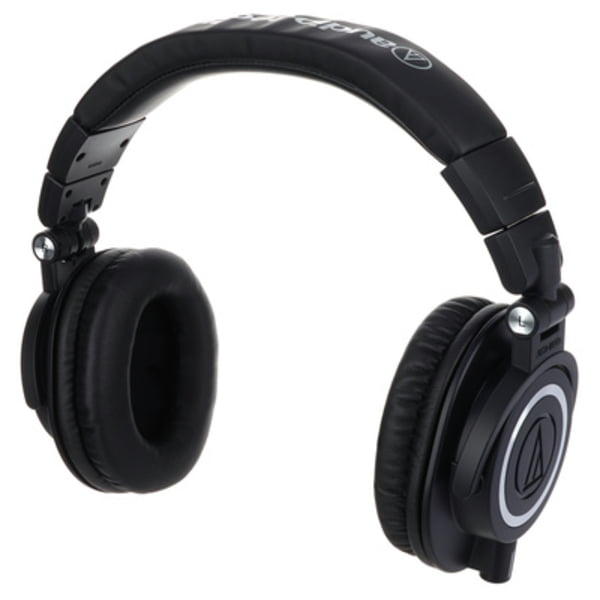
The Audio-Technica ATH-M50x ($149) is the most popular studio headphone in the world — and for good reason. It offers a balanced, detailed sound with slightly enhanced low-end that makes it versatile for both mixing and casual listening. The collapsible design makes it the best portable option for producers who work in multiple locations.

Sound signature: The M50x has a slightly forward midrange with detailed highs and punchy bass. The bass is more present than the DT 770, which some mixers love and others find misleading. For genres like hip-hop and pop where bass response matters, the M50x gives you an accurate picture of your low-end. For critical mixing of acoustic or classical music, the DT 990 or HD 600 are more neutral.

Build and portability: The M50x folds flat for storage in a backpack. It comes with three detachable cables (straight, coiled, and short with inline mic). The ear pads are pleather and can get warm during long sessions — aftermarket velour pads are a worthwhile upgrade.

See our M50x vs MDR-7506 comparison and M50x vs DT 770 comparison for detailed breakdowns.

Sony MDR-7506Audio-Technica ATH-M50x

Sennheiser HD 600 — The Most Neutral Reference Headphone for Mastering

The Sennheiser HD 600 ($399) is the gold standard for reference headphones — used in mastering studios worldwide. Their frequency response is virtually flat, with no coloration or hyped frequencies. What you hear is exactly what is in your mix. If a mix sounds good on HD 600s, it will sound good anywhere.

Why mastering engineers choose the HD 600: Complete neutrality. There is no bass boost, no treble spike, no midrange scoop. The HD 600 reveals every mix flaw — harsh frequencies, phase issues, muddiness, and stereo imbalance. If you are serious about mixing and mastering, the HD 600 is the ultimate quality check.

The downsides: At 300 ohms, the HD 600 demands a dedicated headphone amplifier — most audio interfaces cannot drive them to adequate volume. The bass extension is limited compared to the DT 770 or M50x — they roll off below 50Hz, so they are not ideal for bass-heavy genres without supplementing with another headphone or subwoofer.

Compare the HD 600 to the DT 990 in our HD 600 vs DT 990 comparison.

Sennheiser HD 600Beyerdynamic DT 990 Pro
Verdict DT 990 Pro ($159) for critical mixing, DT 770 Pro ($159) for tracking and portability

Frequently Asked Questions

What Products Are in This Guide?

Audio-Technica ATH-M50x

Audio-Technica ATH-M50x

★★★★½ 45,678
$169 USD
The most popular studio headphones in the world. Critically acclaimed clarity, deep bass, and collapsible design for portability.
Sony MDR-7506

Sony MDR-7506

★★★★½ 56,789
$99 USD
The broadcast standard since 1991. Closed-back, collapsible, and incredibly reliable. Trusted by professionals worldwide.
Beyerdynamic DT 990 Pro

Beyerdynamic DT 990 Pro

★★★★½ 28,901
$169 USD
Open-back mixing headphones with legendary bass extension. The spacious soundstage reveals reverb tails and stereo placement with surgical precision. The DT 770's open-back sibling.
Sennheiser HD 600

Sennheiser HD 600

★★★★½ 18,907
$399 USD
Audiophile open-back reference headphones. Natural, neutral sound with incredible detail. The mixing engineer's choice for critical listening.
SoundBetter Fiverr
Cuban Tres, Bass & Guitar - played and recorded with my personal gear