Cuban Tres, Bass & Guitar - played and recorded with my personal gear
SoundBetter
Find the Best Deals Across Top Music Stores
Guides My Setup About Me

Best Budget Studio Headphones Under $150 (2026)

Best Budget Studio Headphones Under $150 (2026)

Great mixing doesn't require expensive headphones, and I stand by this after two decades of professional recording. What it requires is headphones you know inside and out — their frequency response, their bass character, and how they translate to every other listening system. I've mixed tracks that ended up on major releases using headphones that cost under $150, because I took the time to learn them. Here's the thing: a $99 pair of headphones you know perfectly will give you better mix translations than a $500 pair you just bought and haven't calibrated your ears to. The key is learning how your headphones translate, and these two pairs make that easy because they have predictable, well-documented frequency responses that engineers have relied on for decades.

How to Choose the Best Studio Headphones

Studio headphones are one of the most personal gear decisions you'll make. Unlike speakers, headphones bypass your room acoustics completely, giving you a direct window into your mix — but they also exaggerate stereo imaging and can fool you about bass response.

Open-back vs closed-back is the first decision. Open-back headphones have perforated ear cups that let air through, creating a wider soundstage and more natural frequency response. They're ideal for critical mixing and mastering. Closed-back headphones seal around your ears, blocking external noise and preventing sound leakage. They're essential for tracking vocals and recording with microphones, since open-back headphones bleed sound into the mic.

Impedance and sensitivity affect what you can drive. High-impedance headphones (250Ω+) need a dedicated headphone amp to sound their best. Low-impedance (32-80Ω) work well with audio interfaces, laptops, and phones. If you're using a standard audio interface, stick with low-impedance models unless you plan to buy a separate headphone amp.

Frequency response tells you how honest the headphones are. Flat/neutral headphones reveal the truth about your mix. Coloured headphones with boosted bass or treble are fun for listening but dangerous for mixing — you'll compensate by cutting frequencies that aren't really there.

Comfort is non-negotiable for long sessions. Look for velour or memory foam ear pads, lightweight designs (under 300g), and adjustable headbands with adequate clamping force. I've mixed for 8-hour sessions without fatigue — that's the comfort level you should aim for.

The Broadcast Legend: Sony MDR-7506

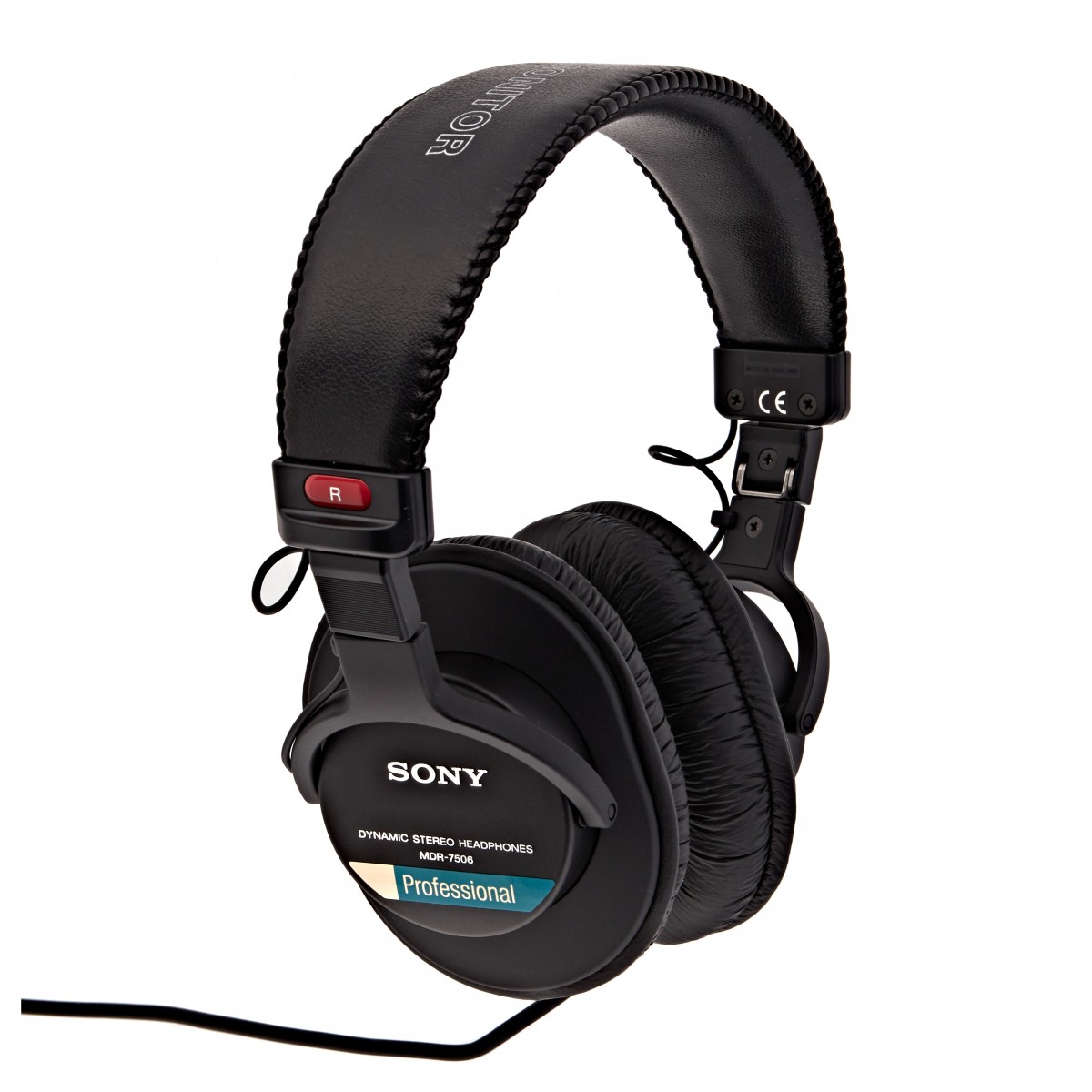
The Sony MDR-7506 has been the broadcast standard since 1991 — that's over thirty years of proving itself on film sets, in radio stations, in broadcast trucks, and in countless home studios around the world. At $99, they are absurdly good value for what you get. The mids are forward and incredibly revealing: you will hear mouth noises, edit clicks, sibilance problems, and subtle distortion that other headphones mask completely. This is a double-edged sword — they're brutally honest, which means you'll hear flaws you might want to fix, but you won't be surprised when you hear your mix on other systems. The build quality is simple but durable: they fold flat for easy travel, and I've dropped mine more times than I can count without any issues. The closed-back design means you can track vocals and instruments with them too, making them a true all-rounder. For under $100, nothing else comes close to the MDR-7506's decades-proven track record of reliability and accuracy.

The People's Champion: Audio-Technica ATH-M50x

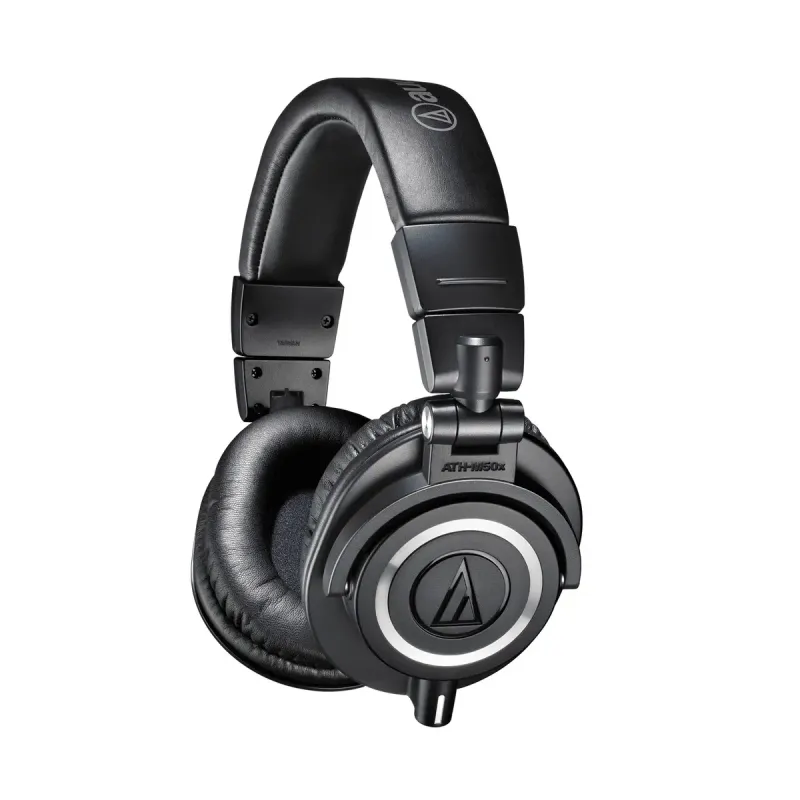
At $169, the ATH-M50x is slightly above our $150 target, but it's frequently on sale below that threshold — and it's the best-selling studio headphone in the world for good reason. The 45mm large-aperture drivers deliver clarity that punches well above their price class, with detailed highs and a bass response that's present without being overpowering or muddy. What really sets them apart is the comfort: the circumaural design with memory foam ear pads means I've worn these for six-hour mixing sessions without needing a break. The collapsible design with swiveling ear cups makes them easy to pack and ideal for single-ear monitoring. The removable cable system is a thoughtful touch — when the cable eventually fails (and it will, because cables always do), you replace a $15 cable instead of the entire headphone. The included detachable cable, carrying pouch, and 1/4-inch adapter make them studio-ready out of the box. If you can stretch your budget by $19, this is the best value in studio audio and the one headphone I recommend more than any other.
Verdict MDR-7506 for pure value, ATH-M50x for refinement

Products in this Guide

Sony MDR-7506

Sony MDR-7506

★★★★½ 56,789
$99 USD
The broadcast standard since 1991. Closed-back, collapsible, and incredibly reliable. Trusted by professionals worldwide.
Audio-Technica ATH-M50x

Audio-Technica ATH-M50x

★★★★½ 45,678
$169 USD
The most popular studio headphones in the world. Critically acclaimed clarity, deep bass, and collapsible design for portability.

Final Thoughts

The MDR-7506 is the undisputed budget champion at $99 — brutally honest, foldable, and built like a tank. I keep a pair in my travel bag at all times because they tell me the truth about any mix I'm working on. The ATH-M50x gives you a more refined listening experience with better comfort and build quality for just a bit more money. Both will teach you what good mixes sound like, and that education is worth far more than their price tags. Buy the MDR-7506 if you need a no-compromise budget tool. Buy the ATH-M50x if you want the best all-rounder under $200.