Cuban Tres, Bass & Guitar - played and recorded with my personal gear
SoundBetter
Find the Best Deals Across Top Music Stores
Guides My Setup About Me

Best Studio Headphones for Mixing & Monitoring (2026)

Best Studio Headphones for Mixing & Monitoring (2026)

Good headphones are non-negotiable. Whether you're mixing at 2 AM, tracking in a less-than-perfect room, or need a second reference for your mix, you need cans you can trust. Here are the four pairs I've used most over my career, with honest pros and cons for each.

How to Choose the Best Studio Headphones

Studio headphones are one of the most personal gear decisions you'll make. Unlike speakers, headphones bypass your room acoustics completely, giving you a direct window into your mix — but they also exaggerate stereo imaging and can fool you about bass response.

Open-back vs closed-back is the first decision. Open-back headphones have perforated ear cups that let air through, creating a wider soundstage and more natural frequency response. They're ideal for critical mixing and mastering. Closed-back headphones seal around your ears, blocking external noise and preventing sound leakage. They're essential for tracking vocals and recording with microphones, since open-back headphones bleed sound into the mic.

Impedance and sensitivity affect what you can drive. High-impedance headphones (250Ω+) need a dedicated headphone amp to sound their best. Low-impedance (32-80Ω) work well with audio interfaces, laptops, and phones. If you're using a standard audio interface, stick with low-impedance models unless you plan to buy a separate headphone amp.

Frequency response tells you how honest the headphones are. Flat/neutral headphones reveal the truth about your mix. Coloured headphones with boosted bass or treble are fun for listening but dangerous for mixing — you'll compensate by cutting frequencies that aren't really there.

Comfort is non-negotiable for long sessions. Look for velour or memory foam ear pads, lightweight designs (under 300g), and adjustable headbands with adequate clamping force. I've mixed for 8-hour sessions without fatigue — that's the comfort level you should aim for.
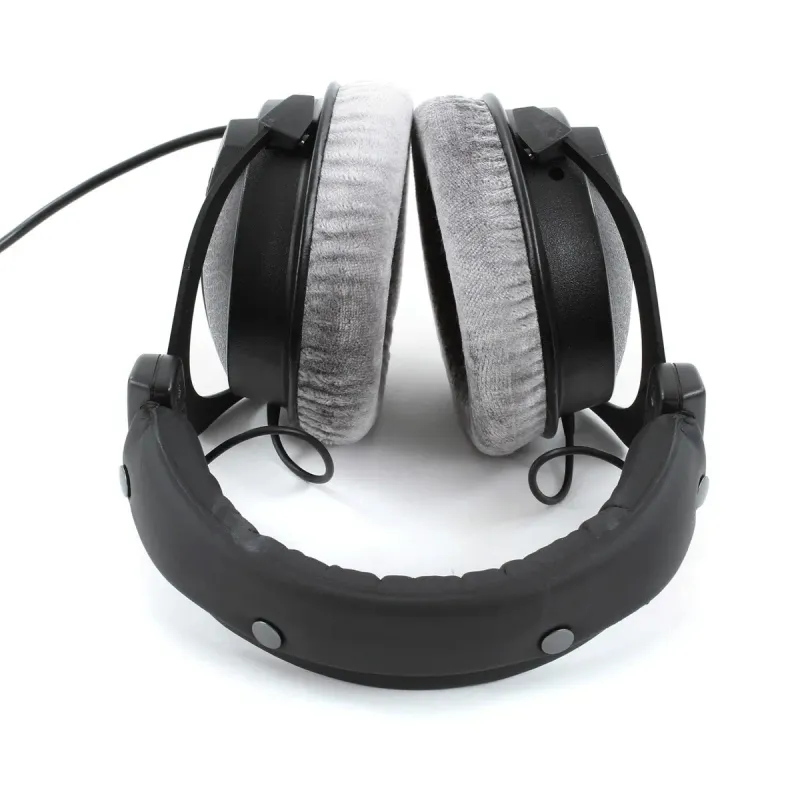

Best Closed-Back: Beyerdynamic DT 770 Pro

The DT 770 Pro is the gold standard for closed-back monitoring. I use these for tracking vocals and recording — the closed design prevents bleed into the microphone. The 250 Ohm version has incredible detail retrieval, and the velour ear pads are comfortable for hours. The high-end is slightly present, which helps you hear sibilance issues before they become problems.

Best Open-Back Reference: Sennheiser HD 600

If you're mixing, you need an open-back reference. The HD 600 is the most natural, neutral headphone under $1,000. No boosted bass, no hyped highs — just truth. I've A/B'd these against $3,000 headphones and the HD 600 holds its own. They reveal what your mix actually sounds like, and that's exactly what you want when making decisions.

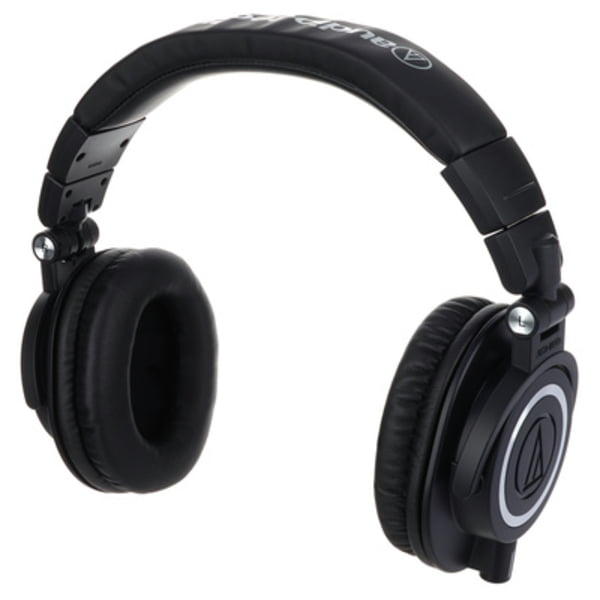
Best All-Rounder: Audio-Technica ATH-M50x

The ATH-M50x is the most popular studio headphone in the world, and for good reason. It works for tracking, mixing, and casual listening. The bass is slightly boosted, which makes them fun to listen to, but be careful — you might underwhelm the low end on other systems. I recommend them for beginners because they're versatile, collapsible, and built to last.

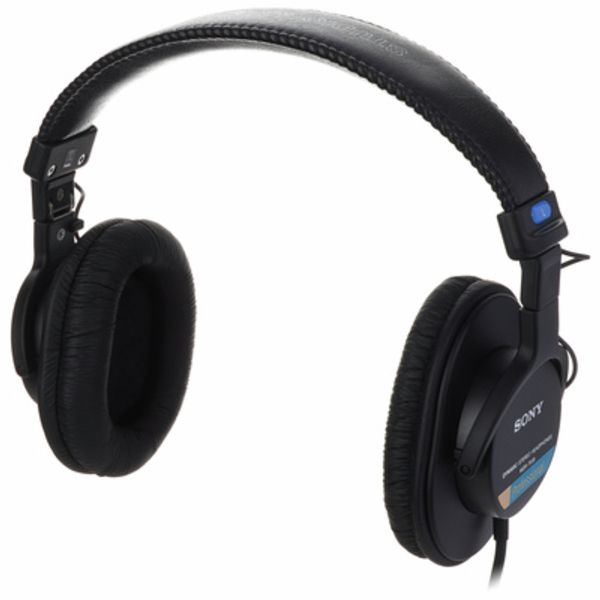
Best Budget: Sony MDR-7506

The MDR-7506 has been everywhere since 1991 — broadcast trucks, film sets, podcast studios. They're $99, fold flat, and sound remarkably good. The mids are forward, which makes vocals cut through, and they're brutally honest about flaws. I keep a pair in my travel bag at all times.

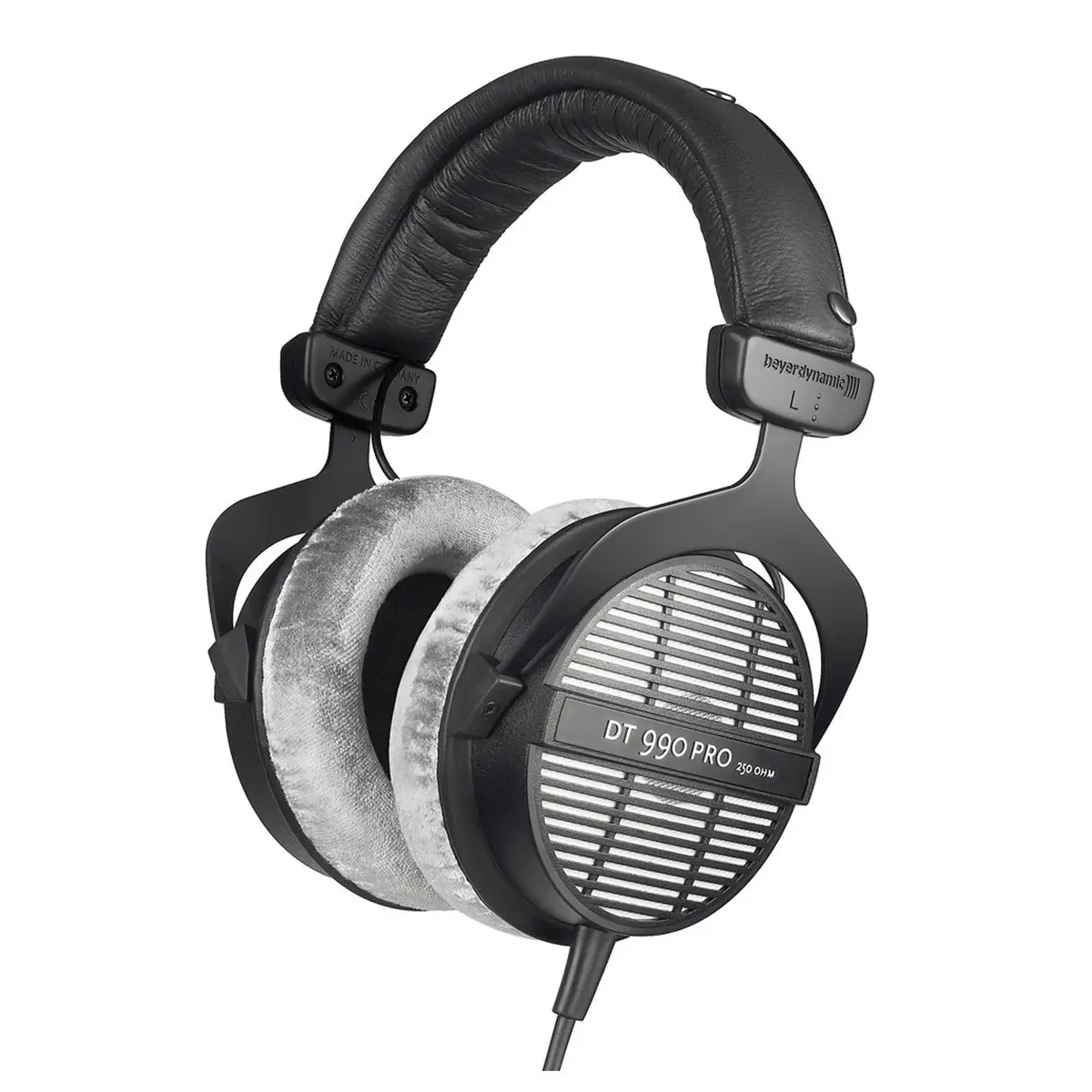
Open-Back Precision: Beyerdynamic DT 990 Pro

The DT 990 Pro is the open-back sibling of the legendary DT 770 Pro. Where the DT 770 isolates for tracking, the DT 990 opens up for mixing — the expansive soundstage lets you place every instrument in three-dimensional space. The treble is more present than the DT 770, giving you surgical precision on reverb tails, sibilance, and high-frequency details. The velour pads and lightweight design make them comfortable for marathon mixing sessions. At $169, they're the analytical companion every mixing engineer needs alongside closed-back cans.

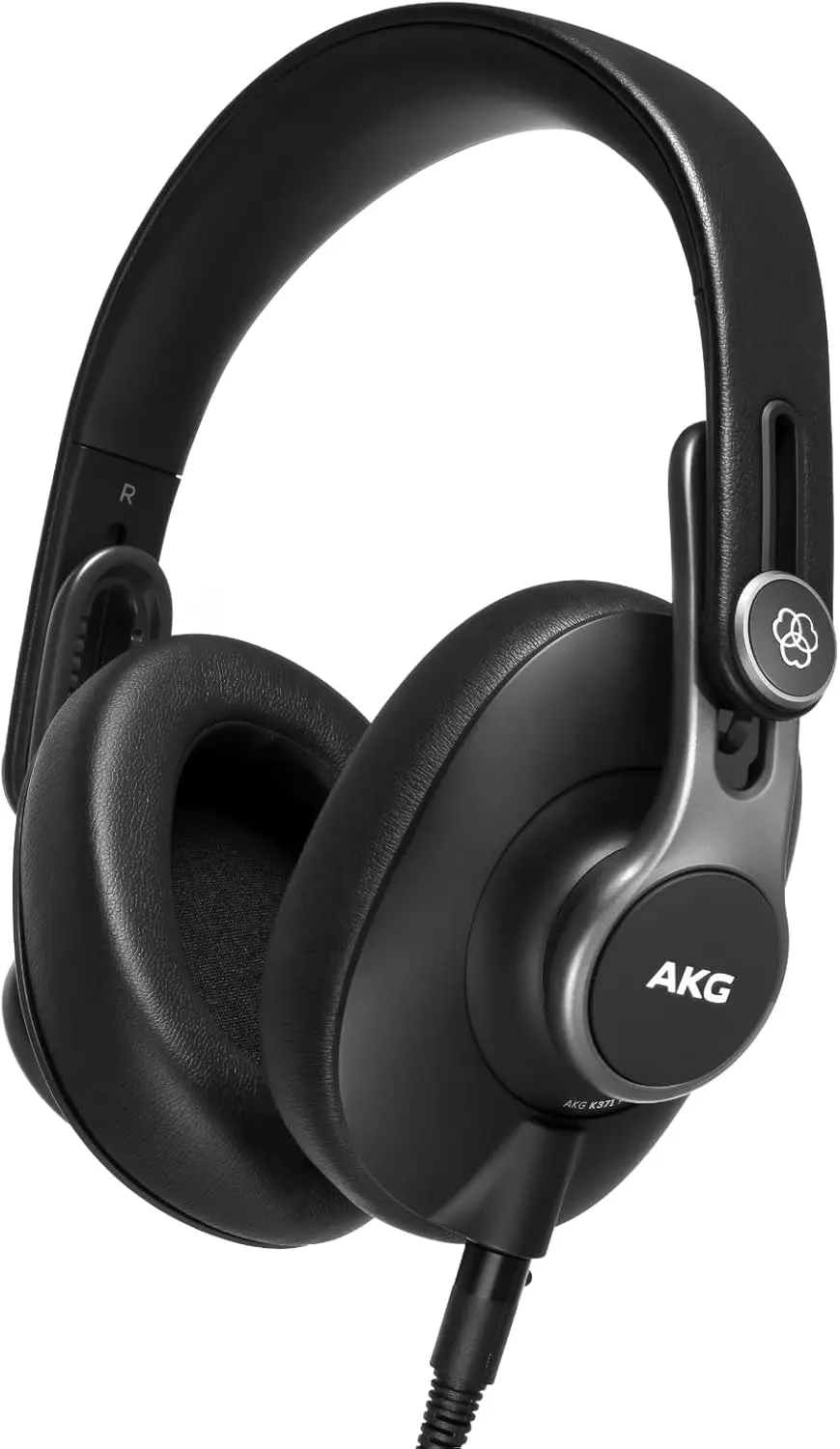
The Harman Standard: AKG K371

The AKG K371 is tuned to the Harman target curve — the scientific gold standard for headphone frequency response. This means they sound natural, balanced, and translate accurately to speakers. Closed-back design with excellent isolation makes them suitable for both tracking and mobile mixing. Detachable cables (3 included — coiled, short, and long) mean road-worthiness. Foldable design fits in a laptop bag. At $155, they're the most accurate closed-back headphones under $200 by a significant margin.
Verdict DT 770 Pro for versatility, HD 600 for mixing

Products in this Guide

Beyerdynamic DT 770 Pro

Beyerdynamic DT 770 Pro

★★★★½ 32,109
$159 USD
The studio standard for closed-back monitoring. 250 Ohm drivers, velour ear pads, and exceptional comfort for marathon sessions.
Sennheiser HD 600

Sennheiser HD 600

★★★★½ 18,907
$399 USD
Audiophile open-back reference headphones. Natural, neutral sound with incredible detail. The mixing engineer's choice for critical listening.
Audio-Technica ATH-M50x

Audio-Technica ATH-M50x

★★★★½ 45,678
$169 USD
The most popular studio headphones in the world. Critically acclaimed clarity, deep bass, and collapsible design for portability.
Sony MDR-7506

Sony MDR-7506

★★★★½ 56,789
$99 USD
The broadcast standard since 1991. Closed-back, collapsible, and incredibly reliable. Trusted by professionals worldwide.
Beyerdynamic DT 990 Pro

Beyerdynamic DT 990 Pro

★★★★½ 28,901
$169 USD
Open-back mixing headphones with legendary bass extension. The spacious soundstage reveals reverb tails and stereo placement with surgical precision. The DT 770's open-back sibling.
AKG K371

AKG K371

★★★★½ 12,340
$155 USD
Harman-target tuned for the most natural closed-back sound under $200. Foldable design, detachable cables, and the flattest frequency response in its class.

Final Thoughts

Need one pair for everything? Get the DT 770 Pro. Mixing only? HD 600. Starting out? ATH-M50x. Budget? MDR-7506. Each has its strengths depending on the job. If I could only keep one, it'd be the HD 600 — but that's because I mix more than I track.