Cuban Tres, Bass & Guitar - played and recorded with my personal gear
SoundBetter
Find the Best Deals Across Top Music Stores
Guides My Setup About Me

Best Closed-Back Headphones for Tracking (2026)

Best Closed-Back Headphones for Tracking (2026)

When you're tracking — recording vocals, acoustic guitars, drums, or anything with a live microphone — you need headphones that keep the click track firmly in your ears and completely out of the microphone. This is where closed-back headphones earn their place in every studio. Open-back designs leak sound like a sieve, and that click bleed can ruin a perfect vocal take. Closed-back headphones with good isolation are non-negotiable for any recording session, whether you're cutting vocals in a bedroom or tracking a full band in a professional studio. I've learned this the hard way after countless sessions where bleed ruined otherwise perfect takes. Here are the two pairs I've used on countless recording dates, from my early bedroom recordings to professional tracking sessions.

How to Choose the Best Studio Headphones

Studio headphones are one of the most personal gear decisions you'll make. Unlike speakers, headphones bypass your room acoustics completely, giving you a direct window into your mix — but they also exaggerate stereo imaging and can fool you about bass response.

Open-back vs closed-back is the first decision. Open-back headphones have perforated ear cups that let air through, creating a wider soundstage and more natural frequency response. They're ideal for critical mixing and mastering. Closed-back headphones seal around your ears, blocking external noise and preventing sound leakage. They're essential for tracking vocals and recording with microphones, since open-back headphones bleed sound into the mic.

Impedance and sensitivity affect what you can drive. High-impedance headphones (250Ω+) need a dedicated headphone amp to sound their best. Low-impedance (32-80Ω) work well with audio interfaces, laptops, and phones. If you're using a standard audio interface, stick with low-impedance models unless you plan to buy a separate headphone amp.

Frequency response tells you how honest the headphones are. Flat/neutral headphones reveal the truth about your mix. Coloured headphones with boosted bass or treble are fun for listening but dangerous for mixing — you'll compensate by cutting frequencies that aren't really there.

Comfort is non-negotiable for long sessions. Look for velour or memory foam ear pads, lightweight designs (under 300g), and adjustable headbands with adequate clamping force. I've mixed for 8-hour sessions without fatigue — that's the comfort level you should aim for.
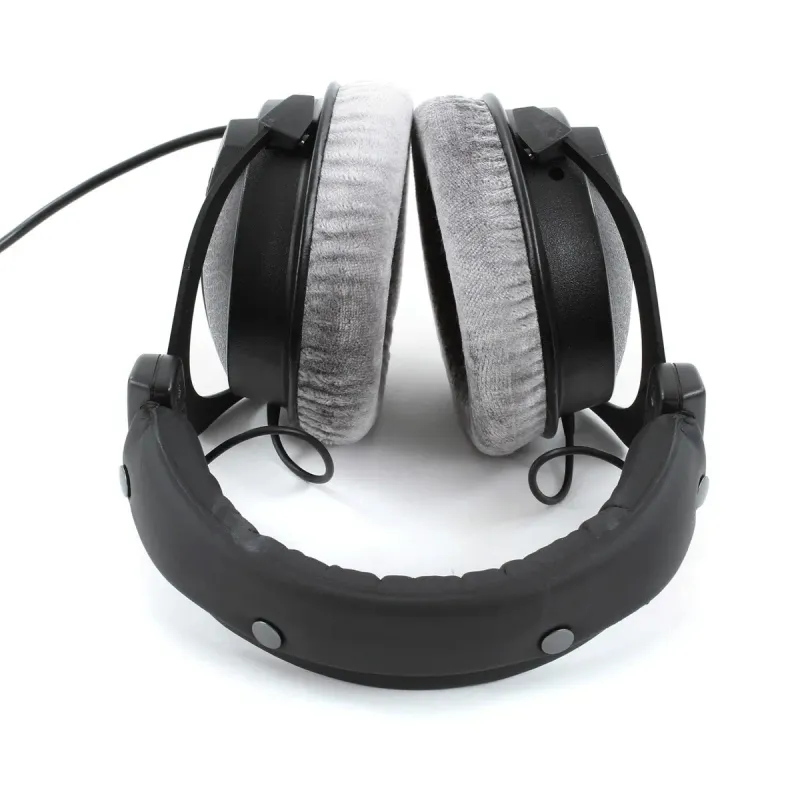

The Gold Standard: Beyerdynamic DT 770 Pro

Walk into any professional studio on earth and you'll find DT 770 Pros hanging by the console — they're that essential. The closed-back design provides excellent passive isolation, meaning the click track and backing mix stay firmly in your headphones without bleeding into the microphone and ending up on your recorded track. I use the 250 Ohm version, which reveals incredible detail resolution — this actually helps performers deliver better takes because they can hear every nuance of their performance clearly over the backing track. The velour ear pads are a godsend for marathon tracking sessions: they stay comfortable for hours without overheating, unlike leather pads that make your ears sweat after thirty minutes. The build quality is legendary — these are made in Germany and built to survive years of studio abuse. The coiled cable is long enough to reach across a control room, and the single-sided design means it won't tangle as easily. These are my go-to tracking headphones, period, and I've never found anything that does the job better.

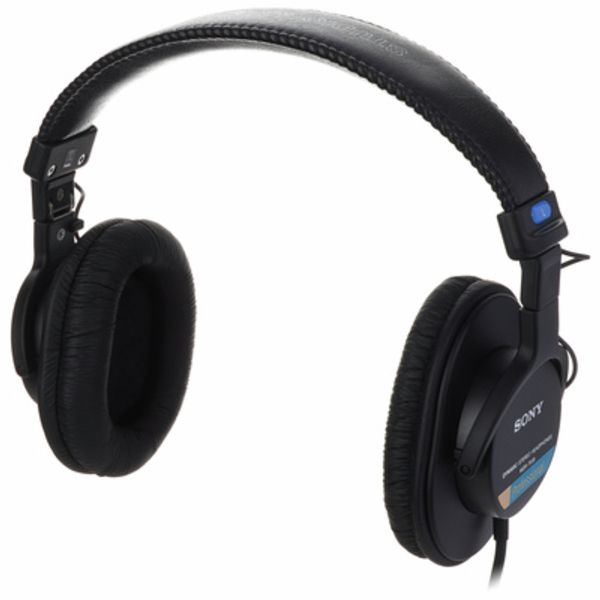
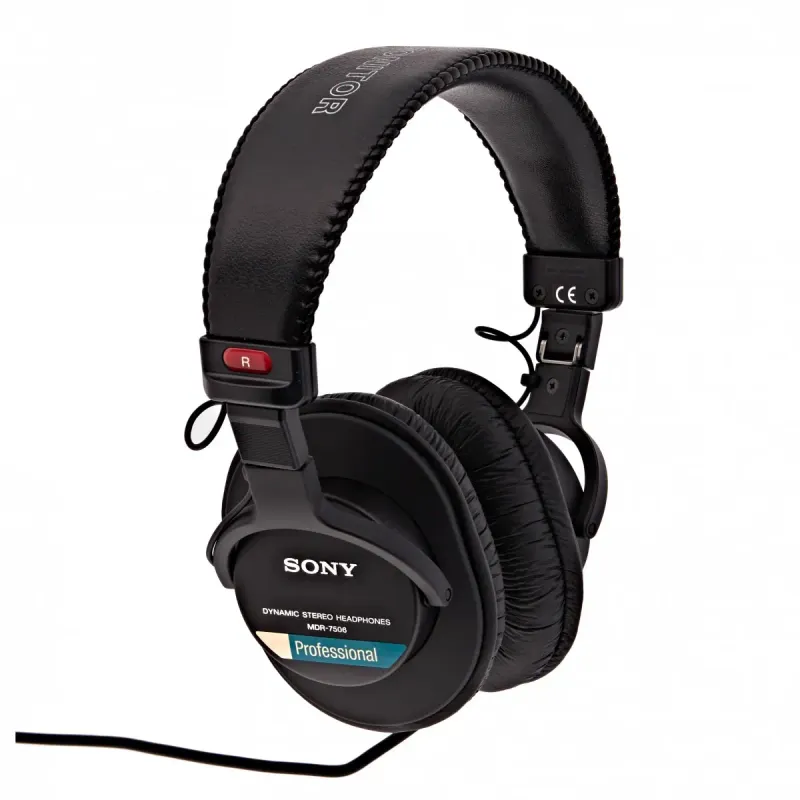
The Budget Backup: Sony MDR-7506

Every studio needs multiple pairs of tracking headphones for band sessions — vocalist gets one pair, guitarist needs another, drummer wants a third. The MDR-7506 is the perfect second, third, or fourth pair to have on hand. At $99, you can afford to stock several sets ready for full band tracking without breaking your budget. They isolate surprisingly well for their price point, and their forward midrange actually helps vocalists with pitch: they can hear themselves clearly over a dense backing track, which leads to better takes with fewer comps needed in editing. The fold-flat design means they store easily in a drawer or gear bag when not in use. I keep four pairs in my studio at all times and they've survived years of use and abuse from guest musicians — dropped on the floor, tossed in bags, yanked off heads mid-take. They keep working. The closed-back design and the lightweight frame make them comfortable for musicians who aren't used to wearing headphones for long periods. If you're building a studio that hosts other musicians, buy these in bulk.
Verdict DT 770 Pro for you, MDR-7506 for the band

Products in this Guide

Beyerdynamic DT 770 Pro

Beyerdynamic DT 770 Pro

★★★★½ 32,109
$159 USD
The studio standard for closed-back monitoring. 250 Ohm drivers, velour ear pads, and exceptional comfort for marathon sessions.
Sony MDR-7506

Sony MDR-7506

★★★★½ 56,789
$99 USD
The broadcast standard since 1991. Closed-back, collapsible, and incredibly reliable. Trusted by professionals worldwide.

Final Thoughts

The DT 770 Pro is the professional's choice for tracking — buy one pair for yourself and you'll never need another tracking headphone. The velour comfort, the isolation, and the detailed sound make it the undisputed king of closed-back monitoring for recording. The MDR-7506 is the smart choice for building a headphone collection for multi-musician sessions — buy several pairs and your studio guests will thank you. Together, these two pairs cover every tracking scenario from solo vocal sessions to full band live-off-the-floor recordings. I wouldn't run a studio without both.

Join us on Telegram — daily sales & deals on music gear Únete a Telegram — ofertas diarias en equipo musical