Cuban Tres, Bass & Guitar - played and recorded with my personal gear
Guides

Best Audio Interfaces for Streaming & Podcasting

Best Audio Interfaces for Streaming & Podcasting

Streaming audio needs more than a good mic — it needs a brain that routes, processes and protects your voice live. I have streamed and podcasted with the Rodecaster Duo, the Bridge Cast X, the Audient EVO 4, the Universal Audio Volt 276 and the Maono Maonocaster E2 Gen2, and here is what actually earns a place on your desk.

By Daniel Carnago · August 2026

Touring and session musician with 20+ years on stages around the world. A great deal of the gear I recommend here I have used myself, on tours, in professional studios, or in my own studio.

How I test gear: to be honest, I have not tested every product on this site. Much of it I have used myself in live shows and recording sessions; others I have seen tested by musicians and sound techs I trust; and the rest I have researched in depth before recommending.
Verdict
The Rodecaster Duo is the full console for streamers who want everything built in. The Bridge Cast X is the console gaming pick, the EVO 4 is the budget streaming interface, and the Volt 276 adds analog compression for polished voice. Pick by your setup's complexity.
Rode Rodecaster Duo
Pros
  • Full broadcast studio in a desk-sized unit
  • Two Revolution preamps drive demanding mics with no booster
  • Touchscreen, SMART pads and wireless receiver built in
  • APHEX processing makes mics sound expensive
Cons
  • it costs more than the Audient EVO 4 and UA Volt 276 combined for fewer input channels
  • Overkill if you already own a capable interface
  • Software learning curve on first setup
  • Bluetooth input is mono, so streaming from a phone or tablet loses the stereo image
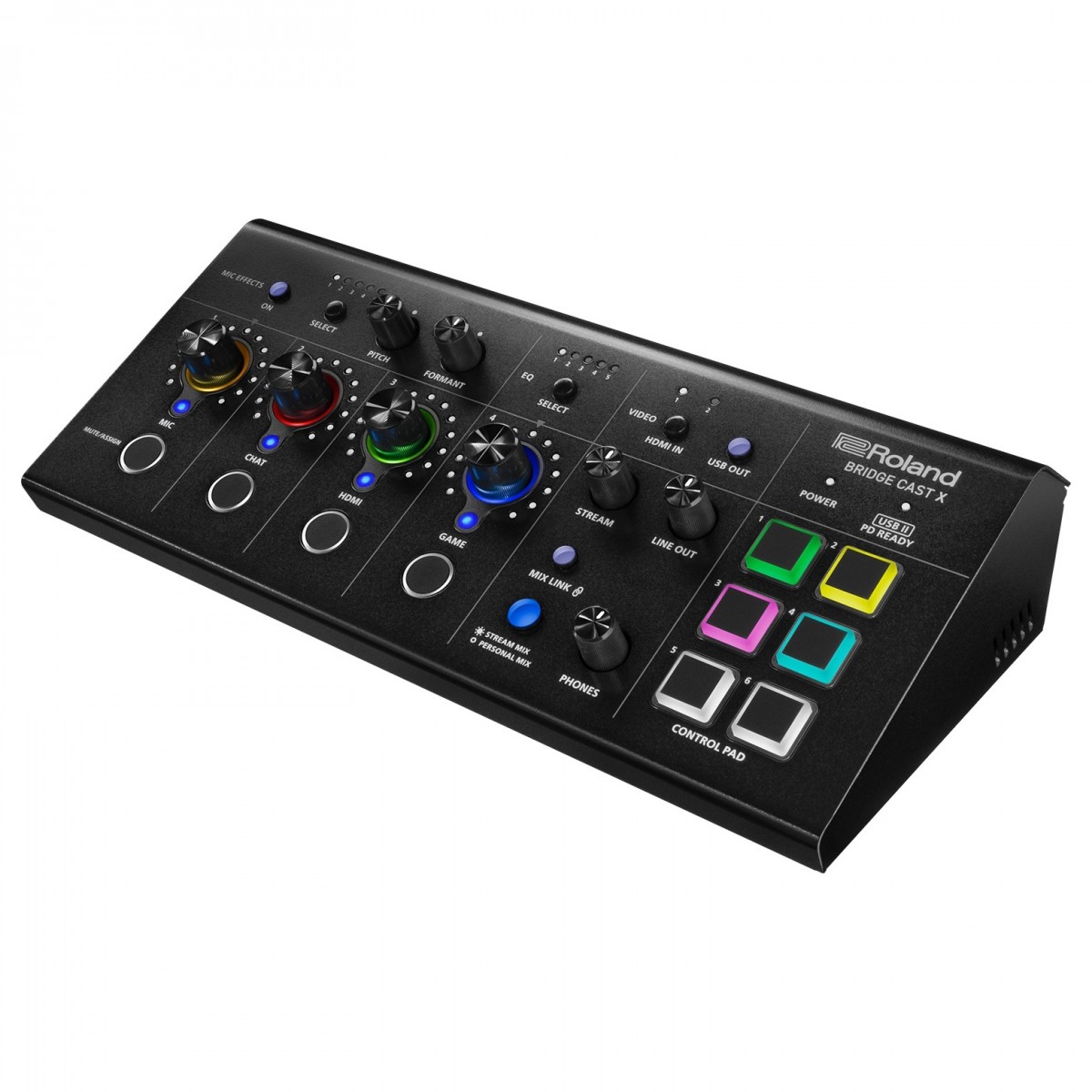
Roland Bridge Cast X
Pros
  • Dual-bus mixer with independent stream and headphone mixes
  • HDMI video capture for console setups
  • XLR input with phantom power and voice processing
  • Assignable control pads for scenes, sounds and effects
Cons
  • Same price as the more mature Rodecaster Duo
  • Its app and firmware are younger than Rode's, with fewer community presets and less tested workflows
  • No built-in wireless mic receiver, so wireless podcasting still needs a separate transmitter kit
  • One XLR input only, so multi-mic podcasts need an external mixer or a second unit
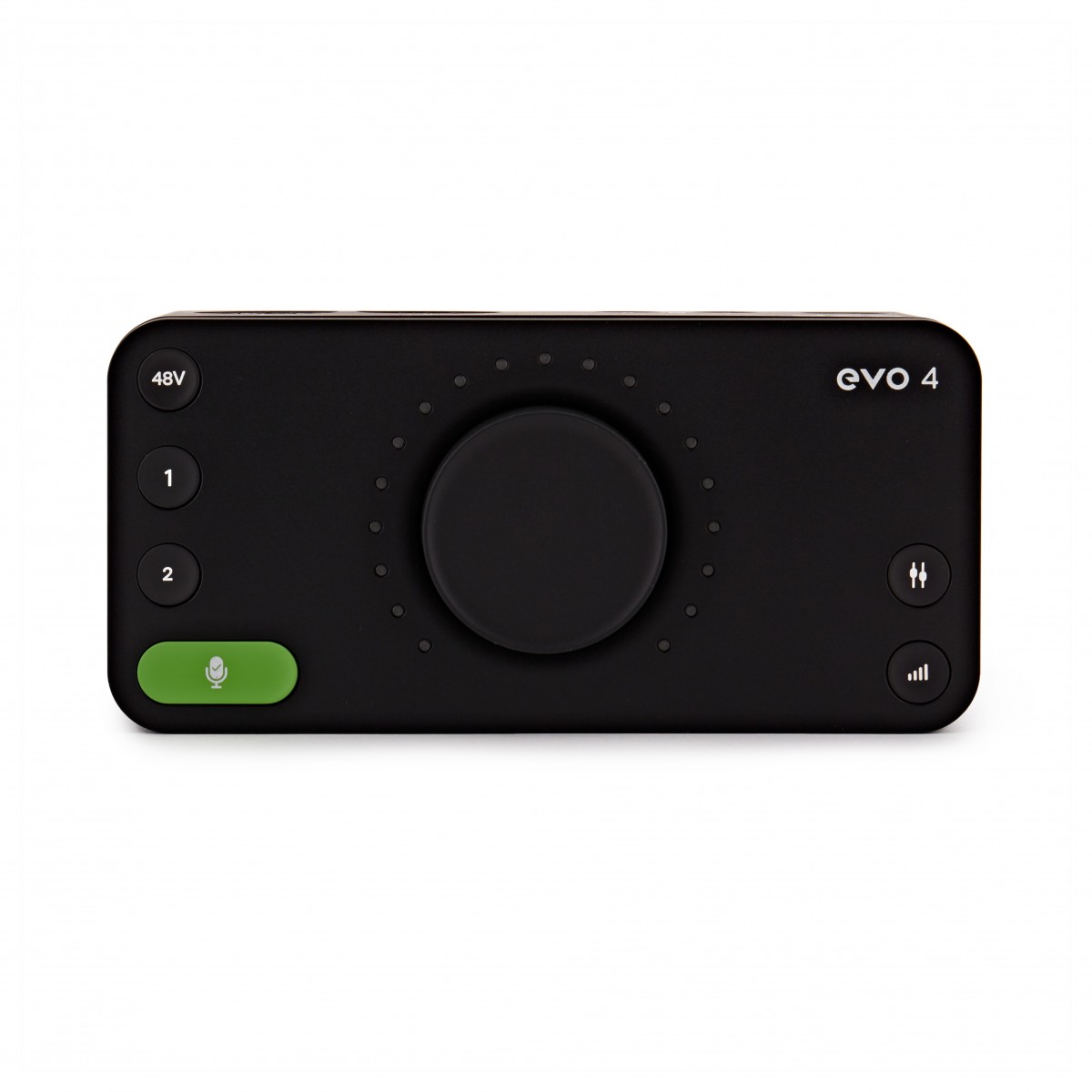
Audient EVO 4
Pros
  • Smartgain auto-level setup in under 20 seconds
  • 58dB of clean gain with phantom power on both channels
  • Loopback for streaming and podcasting
  • USB-C bus-powered body fits in a laptop bag and draws power straight from the port
  • JFET instrument input for guitar and bass
Cons
  • Two inputs cap you at two mics, forcing a bigger interface for trio or band recordings
  • No hardware mixer or DSP effects on the box
  • Loopback routing lives in software, not on hardware buttons
  • No MIDI I/O for hardware synths or drum machines that send note data
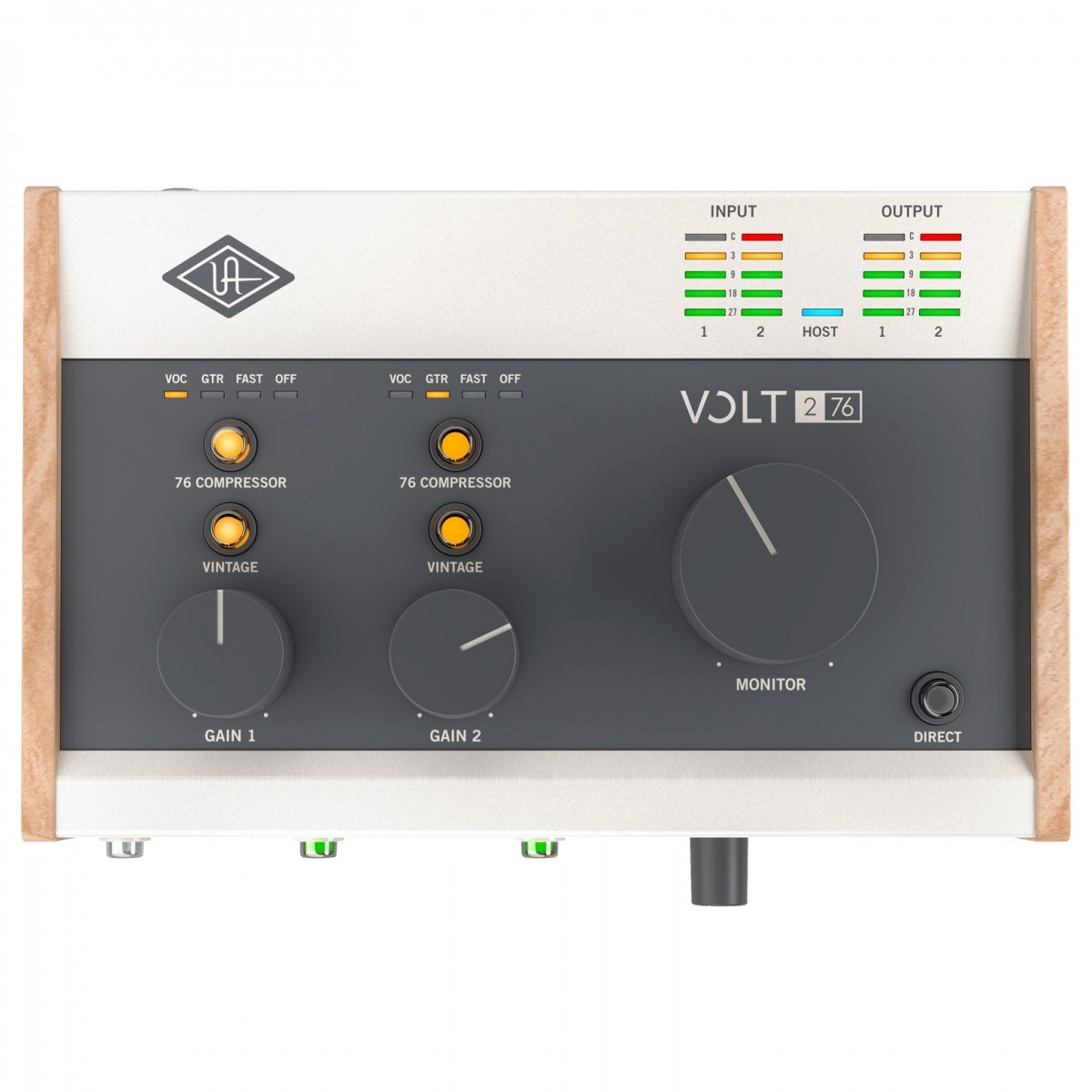
Universal Audio Volt 276
Pros
  • Real analog 76 compressor inspired by the UA 1176
  • Vintage mode with UA 610 tube preamp tone
  • 24-bit/192kHz conversion with 55dB of gain
  • MIDI I/O for synths and drum machines
  • Included software suite (LUNA, UAD plug-ins)
Cons
  • 76 Compressor offers fixed presets with no adjustable attack or release
  • Two inputs, like the rest of this list
  • 55dB is workable but not the highest gain here
  • it costs more than the MOTU M2 with a similar two-input layout
Maono Maonocaster E2 Gen2
Pros
  • Real console features at an entry price: 8 sound pads, loopback, Bluetooth and a built-in battery
  • Two XLR combo preamps with up to 60dB of gain handle dynamic mics
  • 8-hour battery makes it a genuinely portable streaming rig
  • Two-level noise reduction and six preset reverbs built in
Cons
  • 48kHz/24-bit only — no 32-bit float safety net
  • Plastic build feels less premium than the broadcast consoles
  • No video capture and no touchscreen routing
  • No on-board recording backup

Best Streaming Interfaces Compared

Rode Rodecaster DuoRoland Bridge Cast XAudient EVO 4Universal Audio Volt 276Arturia MiniFuse 2 OTGMaono Maonocaster E2 Gen2
Best ForFull broadcast console for podcast & streamConsole gamers wanting audio + captureBudget streaming & podcastingPro tone with analog compressionMobile streaming & compact setupsBudget all-in-one console with sound pads
TypeAll-in-one production consoleStreaming mixer + HDMI captureCompact USB-C interfaceUSB-C interface with analog 76 compressorBus-powered USB-C interface with OTG port + USB hubAll-in-one mixer/interface + sound pads
Mic Inputs2 Revolution preamps + wireless receiver1 XLR with phantom + pads2 EVO preamps + JFET input2 preamps with Vintage mode + MIDI2 XLR/jack combo inputs with phantom + 2-port USB hub2 XLR combo preamps, 60dB + Bluetooth
PowerUSB-C with included power supplyUSB poweredUSB bus-poweredUSB bus-poweredUSB bus-powered1500mAh battery (~8h) + USB-C
Key ExtrasTouchscreen, 4 faders, 6 SMART pads, wireless receiver, APHEXDual HDMI capture, assignable pads, 32-bit DSP, voice changerAuto Smartgain, loopback, Cubase LE includedAnalog 76 compressor, Vintage mode, LUNA + UA plugin bundleMobile OTG port, 2-port USB hub, Ableton Live LiteInternal battery, Bluetooth, sound pads, loopback
Video CaptureNoYes — HDMI captureNoNoNoNo

What Makes an Interface Good for Streaming?

A streaming interface is not just a sound card. It has to capture your voice cleanly, keep it from clipping mid-rant, route separate mixes for you and your audience, and often handle a second input like game audio or a guest mic. A plain two-in/two-out interface leaves all of that to software.

The four units here fall into two camps. The Rodecaster Duo and Roland Bridge Cast X are all-in-one production consoles — they mix, process and route your stream with hardware controls and a touchscreen or pads. The Audient EVO 4 and Universal Audio Volt 276 are classic audio interfaces — compact units that focus on clean preamps and, in the Volt’s case, analog compression on the way in. Decide which camp matches how you actually create.

One rule applies to all of them: the preamp matters more than the marketing. Enough clean gain for your mic without a booster, phantom power when you need it, and zero-latency monitoring so you hear yourself live. Check those three before you check the light-up pads.
Is the Rode Rodecaster Duo the Best Streaming Interface?

The Rode Rodecaster Duo is the streaming console that almost everyone ends up recommending. It takes the full broadcast studio of the bigger Rodecaster Pro II and squeezes it into a desk-friendly unit: two Revolution preamps that drive demanding mics with no booster, a 5.5-inch touchscreen, six SMART pads, and a built-in wireless receiver for Rode Wireless systems. Everything runs through the same APHEX processing that makes podcast mics sound expensive.

What I love about it on stream is the total control. Four assignable faders and the touchscreen handle your mic, music, game and soundboard without touching a mouse. The SMART pads fire sounds, voice FX and MIDI commands, and the dual USB-C lets a second PC join the party. It is genuinely a broadcast studio in a desk-sized box.

The honest downside is the price. it is the flagship option here, and if you already own a good interface you might not need it. But if streaming or podcasting is your thing, this is the one that feels like a real radio console every single day.

Is the Roland Bridge Cast X the Best Streaming Interface for Gamers?

The Roland Bridge Cast X is the gaming-native version of the all-in-one console. It pairs a dual-bus streaming mixer with HDMI video capture, so console players get audio mixing and video capture in one box. The XLR mic input carries phantom power and Roland's voice processing, and the assignable control pads handle your scenes, sounds and effects with a satisfying punch.

It is built for the modern gaming setup. Multiple USB-C and HDMI ports mean your console, PC and camera all connect cleanly. The dual-bus design gives you independent mixes for your stream and your headphones, so you can hear game chat loud while your audience hears a clean broadcast. That separation alone saves hours of routing headaches.

The trade-off is real though. it costs as much as the Rodecaster Duo, but the software and ecosystem are younger. If you are deep in a PlayStation setup and want audio plus capture in one device, it is a great fit; if you mostly podcast or stream from a single PC, the Rodecaster's mature workflow is hard to beat.

Is the Audient EVO 4 the Best Budget Streaming Interface?

The Audient EVO 4 is the budget interface that keeps surprising me. It is a compact 2-in/2-out USB-C unit that runs off bus power, with two EVO preamps delivering 58dB of clean gain and a JFET instrument input for guitar. Its killer feature is Smartgain: press the button, play or speak for a few seconds, and the interface sets your input level automatically — in under 20 seconds. Nearly 1,700 Buyers rate it 4.4/5, and at this price nothing else makes gain staging this painless.

For streaming, the loopback is the feature that matters. It routes your desktop audio back into the interface, so game sound, music and browser audio can be recorded or streamed together with your mic. The setup lives in EVO’s simple software, which also handles the DSP mixer and routing matrix without demanding an external mixer.

What you give up is breadth, not quality. There are just two inputs, so a two-mic podcast needs a different unit, and there are no hardware pads or effects on the box itself. But if you want a clean, compact, no-hassle interface for a single-mic stream at the lowest price here, the EVO 4 is the one I would start with.

Is the Universal Audio Volt 276 Worth It for Streaming?

The Universal Audio Volt 276 is the interface that brings real analog flavor to streaming. Its headline feature is a genuine analog 76 compressor inspired by the UA 1176 — the box that shaped countless classic records — plus a Vintage mode that recreates the rich tone of the UA 610 tube preamp. Unlike plugins, this processing happens in the analog domain before your signal ever reaches the computer.

Under the hood it is a proper pro unit. Two combo inputs, 55dB of gain, 24-bit/192kHz conversion, 48V phantom power, a class-leading headphone amp and 1-in/1-out MIDI for synths and drum machines. It is class-compliant and bus-powered, works with Mac, PC, iPad and iPhone, and includes LUNA plus a suite of UAD plug-ins. Buyers rate it 4.7/5 across 458 reviews.

The honest trade-offs are the fixed compression presets and the two inputs. The 76 Compressor offers preset modes (VOC, GTR, FAST) rather than adjustable attack and release, and there are just two inputs, so multi-mic podcasts need a bigger unit. it costs more than the EVO 4 but less than the flagship consoles — and if you want that classic compressed vocal sound on the way in, it is the most affordable way to get it.

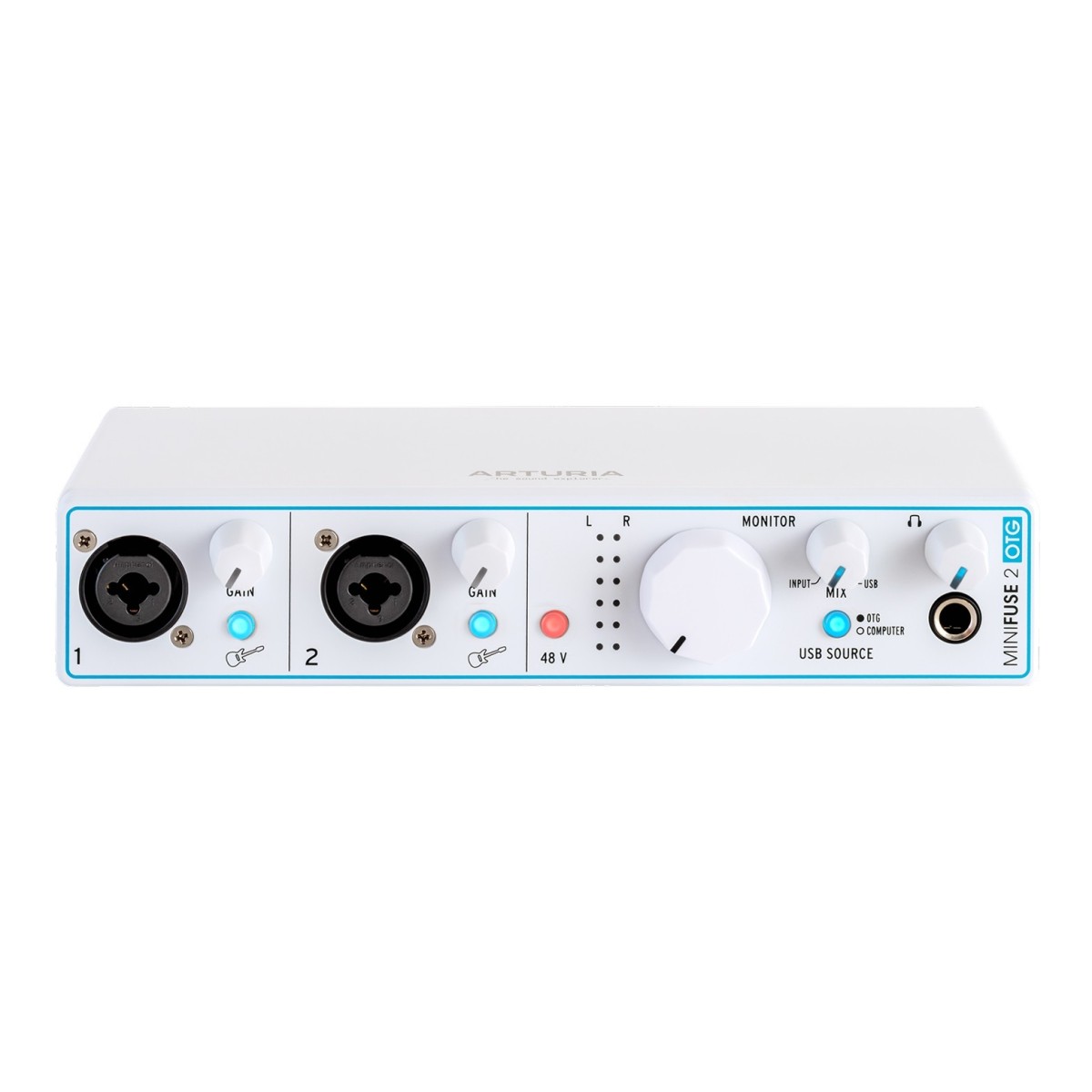
Is the Arturia MiniFuse 2 OTG the Best Interface for Mobile Streaming?

The Arturia MiniFuse 2 OTG is the only interface on this list built to go live from a phone. Beyond working as a regular 2-input interface with your PC or Mac, it adds a second dedicated USB-C OTG port that connects iPhones and Android devices directly, plus a built-in USB hub that keeps your mic and keyboard plugged in while you stream. It runs on bus power, fits in any backpack and carries Arturia's clean preamps and software bundle, covering both mobile streams and everyday desktop duty.

Is the Maono Maonocaster E2 Gen2 the Best Budget Console?

The Maono Maonocaster E2 Gen2 is the cheapest true console here — a mini Rodecaster for a fraction of the price. Users rate it 4.3/5 across nearly 300 reviews, and for it packs two XLR combo preamps with up to 60dB of gain, eight programmable sound pads, loopback, Bluetooth music input and an 8-hour built-in battery.

The sound pads are the reason it wins its tier. You can load intros, drops and sound effects onto eight pads and trigger them live — the same workflow that makes the Rodecaster Duo a streamer favorite. Two-level noise reduction and six preset reverbs give your voice polish without plugins.

The honest limits: 48kHz/24-bit audio with no 32-bit float, a plastic build, and no video capture. If you already need dual broadcast-grade preamps and touchscreen routing, the Rodecaster Duo is the upgrade path. But if you want a battery-powered, pad-loaded streaming console the E2 Gen2 is the pick.

⚠️ Attention:Prices may vary depending on your location; your final total is confirmed in your local currency at checkout. Each store applies its own shipping policy: some offer completely free shipping, others charge a shipping fee, and others provide free shipping above a minimum order amount. Additionally, some stores only ship within the U.S.

Conclusion

If you want the full broadcast-console experience and can stretch the budget, the Rodecaster Duo is the one I would put on my desk — it is simply the most complete streaming interface here. Gamers with consoles should look hard at the Bridge Cast X for its audio-plus-capture combo. The Universal Audio Volt 276 earns its price if you want analog compression and Vintage preamp tone on the way in, the Audient EVO 4 is the smart budget start, and the Maono Maonocaster E2 Gen2 is the budget console pick if you want sound pads, loopback and a battery without the Rodecaster price. Whatever you pick, make sure the preamp has enough gain for your mic and the software feels like home, because that is what you will live with.

Want to build out the rest of the setup? See our best audio interfaces guide, best USB microphones, and streaming mixers & controllers.

Frequently Asked Questions

What Products Are in This Guide?

Rode Rodecaster Duo

Rode Rodecaster Duo

A compact all-in-one production console for podcasting and streaming. Two Revolution preamps, a 5.5-inch touchscreen, six SMART pads and built-in wireless receiver condense a full broadcast studio into a desk-sized unit.
Roland Bridge Cast X

Roland Bridge Cast X

A dual-bus streaming mixer and video capture interface for gamers and creators. XLR mic support with phantom power, assignable control pads, voice processing and multiple USB-C and HDMI ports for consoles, PCs and cameras.
Audient EVO 4

Audient EVO 4

A compact 2-in/2-out USB-C interface with two EVO preamps, Smartgain automatic level setup, loopback for streaming and a JFET instrument input. 58dB of clean gain, phantom power on both channels and USB bus power make it the smart budget pick.
Universal Audio Volt 276

Universal Audio Volt 276

A 2-in/2-out USB-C interface with a real analog 76 compressor inspired by the UA 1176 and a Vintage mode based on the UA 610 preamp. 24-bit/192kHz conversion, 55dB of clean gain, phantom power, MIDI I/O and a class-leading headphone amp.
Arturia MiniFuse 2 OTG

Arturia MiniFuse 2 OTG

A two-in/two-out bus-powered USB-C interface with a dedicated OTG port for connecting phones and tablets alongside your computer, plus a USB-A hub port for MIDI controllers on the road.
Maono Maonocaster E2 Gen2

Maono Maonocaster E2 Gen2

An all-in-one podcasting and streaming console with two XLR combo preamps (up to 60dB of gain), eight programmable sound pads, loopback, Bluetooth music input and an 8-hour built-in battery.

Reviews

(0 reviews)
SoundBetter Fiverr
Cuban Tres, Bass & Guitar - played and recorded with my personal gear