Cuban Tres, Bass & Guitar - played and recorded with my personal gear
Guides My Setup About Me

Best Studio Monitors for Small Rooms and Apartments (2026)

Best Studio Monitors for Small Rooms and Apartments (2026)

Mixing in a small untreated room is one of the biggest challenges for home studio producers. The wrong monitors will give you false information — making your bass sound full when it is actually thin, or making your mix sound balanced when it is actually a mess. After testing dozens of monitors in small rooms, here are the ones that actually work in tight spaces.

What to Look for in Small-Room Monitors

Small rooms (under 150 sq ft) have acoustic problems that make monitor selection critical. Bass frequencies build up in corners, create standing waves, and cause room modes that make low-end decisions unreliable. Here is what matters most for small-room monitors:

1. Front-firing bass ports. Monitors with rear ports sound boomy and inaccurate when placed near walls — which is unavoidable in small rooms. Front-ported monitors (like the KRK Rokit series and JBL 305P MkII) let you place them close to the wall without false bass response.

2. DSP room correction. Built-in DSP EQ (like the KRK Rokit G5 series) lets you tune the monitors to your specific room acoustics. This is the single most valuable feature for small-room mixing.

3. Smaller woofers (5-6.5 inches). While a 8-inch woofer gives you deeper bass, it will excite more room modes and cause more problems than it solves in a small room. A 5-inch or 6.5-inch woofer with a subwoofer is the ideal small-room setup.

4. Acoustic treatment is non-negotiable. Even the best monitors will not save you from an untreated room. Invest in bass traps for corners and absorption panels at first reflection points before upgrading your monitors. For detailed monitor setup, see our studio monitor setup guide.
Yamaha HS8

KRK Rokit 7 G5 — The Best Small-Room Monitor with Built-in DSP

The KRK Rokit 7 G5 ($249 each) is my top recommendation for small-room mixing. The built-in DSP EQ lets you tune the monitors to your room with three settings: HF Shelf, LF Shelf, and the game-changing LCD (Low-frequency Shape Control) that cuts problematic room bass without affecting the rest of the frequency range.

Why it works in small rooms: The front-firing port prevents the boominess caused by rear ports near walls. The Kevlar driver stays clean at high volumes. The LCD setting lets you reduce bass by -2dB or -4dB when your room is causing false bass buildup — a feature no other monitor in this price range offers.

Sound signature: The Rokit G5 series is more neutral than previous generations. The bass is present but not exaggerated. The highs are detailed without being harsh. The DSP room correction is not a gimmick — it genuinely makes your mixes translate better when you are mixing in an untreated or semi-treated room.

See our HS8 vs Rokit 7 comparison to understand the difference between these two popular monitors.

Yamaha HS8

JBL 305P MkII — The Best Budget Small-Room Monitor

The JBL 305P MkII ($149 each) is the best value studio monitor for small rooms and apartments. Its front-firing port, Image Control Waveguide, and neutral frequency response make it the most accurate monitor under $300 per pair.

Why it works in small rooms: The Image Control Waveguide (JBL patented technology) delivers a wide sweet spot — you do not need to sit in an exact position to hear an accurate stereo image. This is critical in small rooms where your listening position is often compromised. The front port means you can place them 6 inches from the wall without bass issues.

Sound signature: Neutral with slightly extended highs. The bass is tight but not deep — the 305P naturally rolls off below 50Hz, which is actually beneficial in small rooms where sub-bass causes problems. Pair with a subwoofer (JBL LSR310S) if you need to hear sub-bass for electronic music production.

Limitations: At 5 inches, the woofer is small. For critical bass decisions, you will need to cross-check with headphones. But for vocal mixing, midrange clarity, and general balancing, the 305P MkII is hard to beat at the price. See our JBL 305P vs Kali LP-6 comparison.

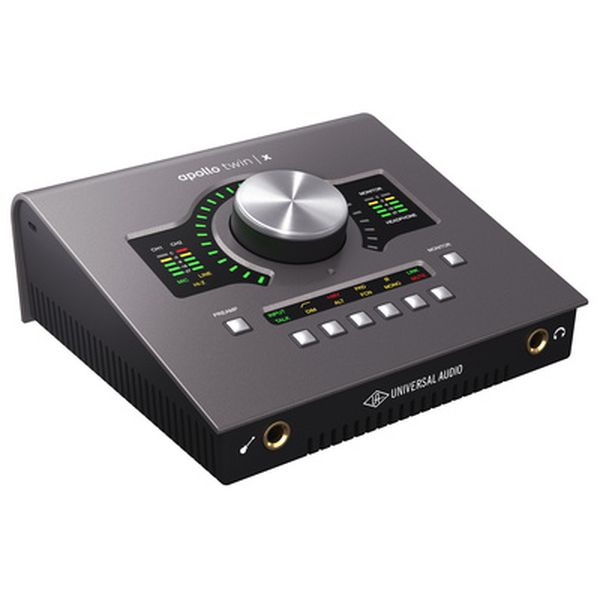
Universal Audio Apollo Twin X

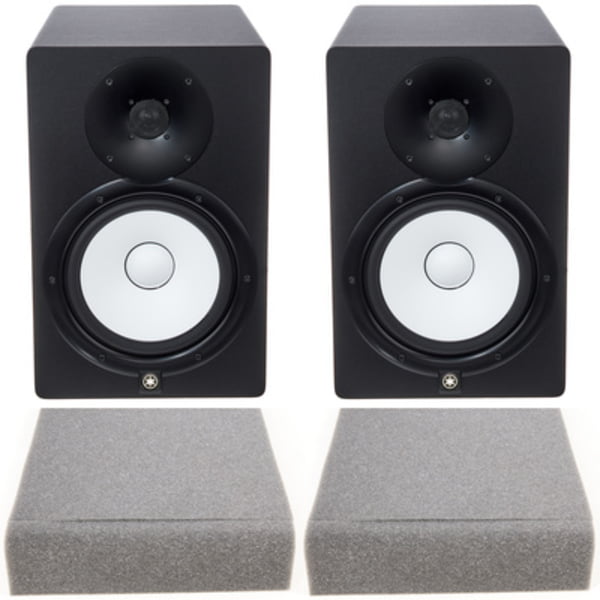
Yamaha HS8 — The Brutally Honest Industry Standard

The Yamaha HS8 ($349 each) is the industry standard for accurate monitoring — found in professional studios worldwide. Its flat, unforgiving frequency response reveals every flaw in your mix. If a mix sounds good on HS8s, it sounds good anywhere.

The catch for small rooms: The HS8 has a rear port and a large 8-inch woofer. Both are problematic in small rooms. The rear port means you need at least 12 inches of space behind the monitor to avoid false bass. The 8-inch woofer excites more room modes in a small space. If you must use HS8s in a small room, invest heavily in bass traps and acoustic treatment.

When the HS8 works in small rooms: If your room is at least 10x12 feet with treatment at reflection points and corners, the HS8 delivers unmatched accuracy. For rooms smaller than that, the Rokit 7 G5 or HS5 (5-inch version) with a subwoofer is a better choice.

See our HS8 vs Rokit 7 comparison for a full breakdown of which suit your space.

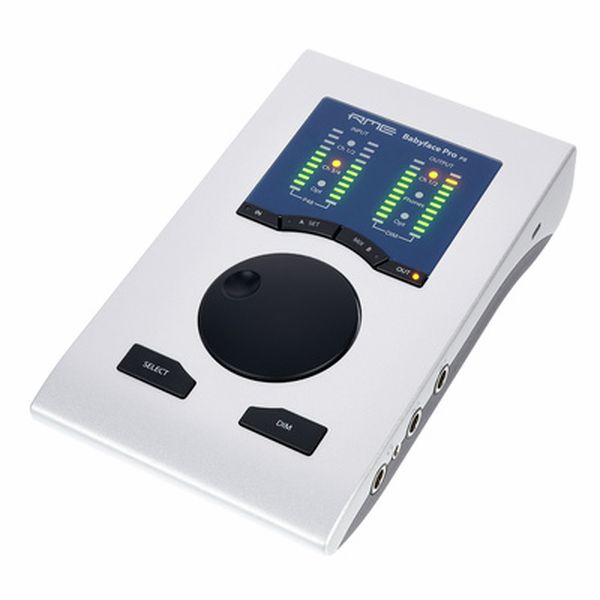
RME Babyface Pro FS

Acoustic Treatment Tips for Small Room Monitoring

No amount of monitor shopping will fix a completely untreated room. Here is the minimum acoustic treatment you need for reliable small-room mixing:

1. Corner bass traps. Bass frequencies accumulate in corners. Place 4-inch thick bass traps in as many corners as possible. This is the single most impactful acoustic treatment for small rooms — it reduces room modes and gives you accurate bass response.

2. First reflection points. Place 2-inch absorption panels on the walls to your left and right (where your monitors point), and on the ceiling above your listening position. This eliminates flutter echo and comb filtering that smear your stereo image.

3. Monitor positioning. Place monitors at ear height, forming an equilateral triangle with your listening position. Angle them toward your ears (not straight ahead). Keep them at least 6 inches from the wall — more if they are rear-ported. Our monitor setup guide covers this in detail.

4. Use a reference microphone. Sonarworks SoundID Reference ($249) or IK Multimedia ARC ($299) measure your room and create a correction curve that flattens your monitors response. This is the closest thing to a professionally treated room without building one.

Yamaha HS8
Verdict KRK Rokit 7 G5 for DSP room correction, JBL 305P MkII for best budget value

Frequently Asked Questions

What Products Are in This Guide?

Yamaha HS8

Yamaha HS8

★★★★½ 12,345
$698 USD
The industry standard for mixing. 8-inch cone woofer with Kevlar coating, 1-inch dome tweeter, and room control for accurate monitoring.
Universal Audio Apollo Twin X

Universal Audio Apollo Twin X

★★★★½ 5,678
$899 USD
Professional-grade Thunderbolt interface with UAD DSP processing. Real-time UAD plugins with near-zero latency. Unison preamps.
RME Babyface Pro FS

RME Babyface Pro FS

★★★★½ 3,456
$949 USD
The gold standard for portable recording. Legendary RME drivers, SteadyClock FS jitter suppression, and pristine AD/DA conversion.
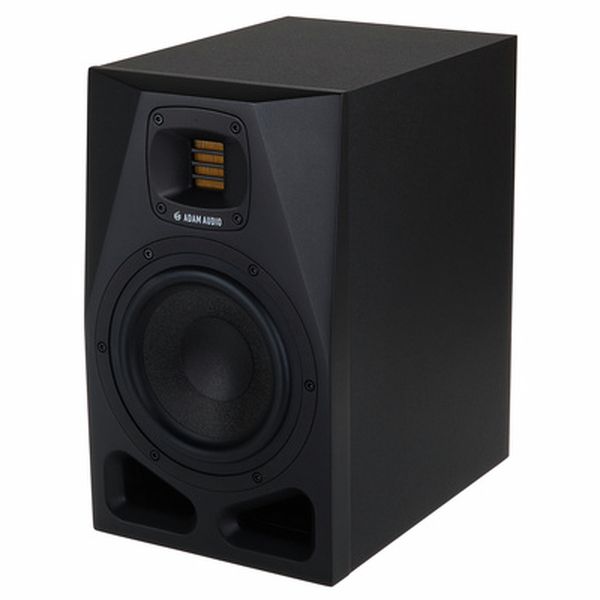
Adam Audio A7V

Adam Audio A7V

★★★★½ 4,567
$799 USD
Cutting-edge 2-way monitor with S-ART folded ribbon tweeter. Unmatched transient response, deep bass, and 3D imaging.
SoundBetter Fiverr
Cuban Tres, Bass & Guitar - played and recorded with my personal gear