

The Apollo Twin X is built around UA's Unison preamp technology, which physically reconfigures the impedance and gain staging of the preamps to match the behavior of classic hardware like Neve, API, or SSL preamps. The difference is not trivial — Unison actually changes how the preamp reacts to your microphone, giving you genuine tonal shifts rather than simple EQ curves. The onboard DSP lets you run UAD plugins with near-zero latency, which means you can track through a compressed LA-2A and a Pultec EQ without any audible delay.
Apollo Twin X vs Babyface Pro FS: Best USB Interface? (2026)
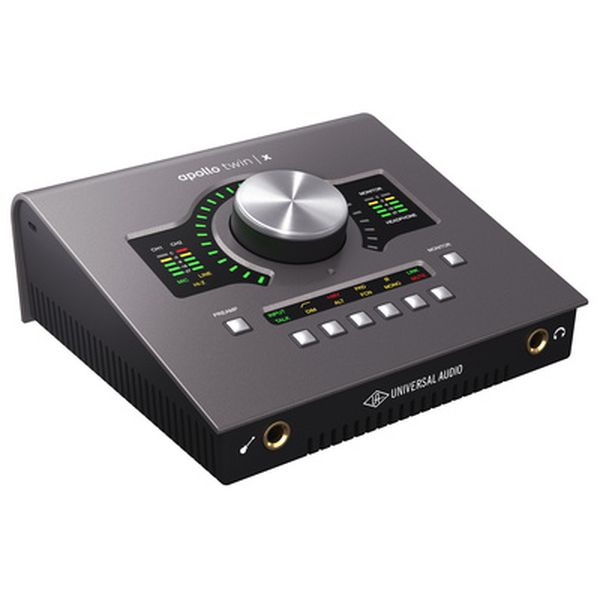
The Universal Audio Apollo Twin X and RME Babyface Pro FS represent the two heavyweight contenders in the premium desktop audio interface market. Both are compact, both cost over a grand, and both deliver conversion quality that was only available in rackmount units a decade ago. But they take fundamentally different approaches to DSP, routing, and workflow.
Universal Audio Apollo Twin X: The Power of Unison Preamps and Real-Time UAD Processing
RME Babyface Pro FS: Rock-Solid Stability, TotalMix FX, and Unmatched Driver Performance
RME's Babyface Pro FS is not about emulation — it is about engineering perfection. Its SteadyClock FS technology ensures its converters are jitter-free, delivering measurements that compete with standalone converters costing four times as much. The TotalMix FX routing matrix is the most powerful mixing environment ever packed into a half-rack interface, giving you full control over routing, FX sends, and submixes with zero latency. Where the Apollo relies on DSP, RME relies on rock-solid driver architecture with class-leading round-trip latency figures that make it the go-to for demanding live performance and orchestral recording workflows.
DSP Approach vs Driver Stability: Latency and Plugin Integration Compared
The fundamental divide here is how each company solves low-latency monitoring. UA puts a powerful DSP chip in the box and lets you run their proprietary UAD plugins directly on it. RME puts its engineering into the driver and routing layer, giving you a pristine signal path with killer software routing but no integrated plugin processing. If you own a collection of UAD plugins and track through analog emulations, the Apollo Twin X is life-changing. If you need extreme reliability and flexible routing, the Babyface Pro FS will never let you down.
Which One Should You Buy: Apollo Twin X or Babyface Pro FS?
Choose the Apollo Twin X if you value instant analog character and already buy into the UAD ecosystem, or if you want those Unison preamps that genuinely change the way your microphones sound. Choose the RME Babyface Pro FS if your priority is absolute stability, best-in-class drivers, and the most flexible software routing on the market. For remote recording engineers and performers who need things to just work, RME wins every time. For studio producers who want character baked into every take, Apollo is the creative choice.
Verdict
For tracking through analog emulations, get the Apollo Twin X. For bulletproof routing and drivers, get the Babyface Pro FS.
Products in this Guide
Universal Audio Apollo Twin X
$899 USD
Professional-grade Thunderbolt interface with UAD DSP processing. Real-time UAD plugins with near-zero latency. Unison preamps.




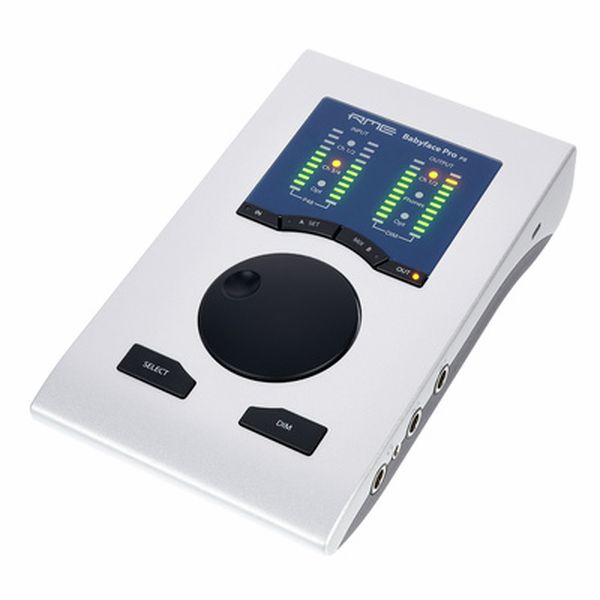
RME Babyface Pro FS
$949 USD
The gold standard for portable recording. Legendary RME drivers, SteadyClock FS jitter suppression, and pristine AD/DA conversion.
Final Thoughts
Both the UA Apollo Twin X and RME Babyface Pro FS are exceptional tools. The Apollo gives you studio-grade analog emulation and tracking workflow. The Babyface gives you bulletproof drivers, converter performance that punches above its size, and TotalMix routing that nothing else touches. You cannot go wrong, but your workflow dictates which one feels right.