Cuban Tres, Bass & Guitar - played and recorded with my personal gear
Guides My Setup About Me

Fender Precision Bass vs Jazz Bass: Which Legendary Bass Wins?

Fender Precision Bass vs Jazz Bass: Which Legendary Bass Wins?

The Precision Bass and Jazz Bass are the two most iconic electric bass guitars ever made — and they've been competing for players' hands since 1960.

How Do They Compare?

Fender Precision BassFender Jazz Bass
Year Introduced19511960
Key FeatureThe FoundationThe Voice
Best ForRock, punk, Motown, countryFunk, fusion, jazz, R&B
BrandFenderFender
Rating4.6/54.6/5
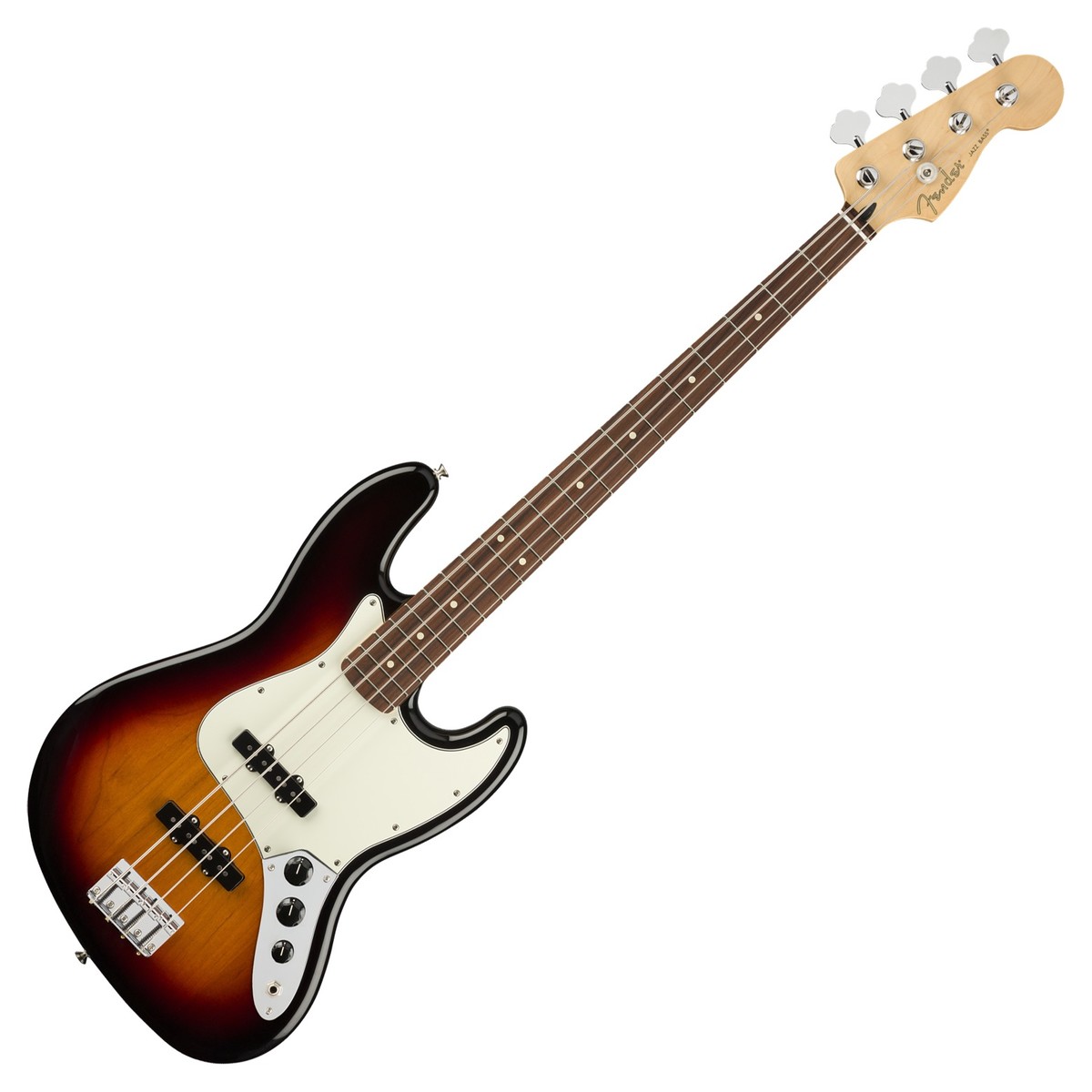
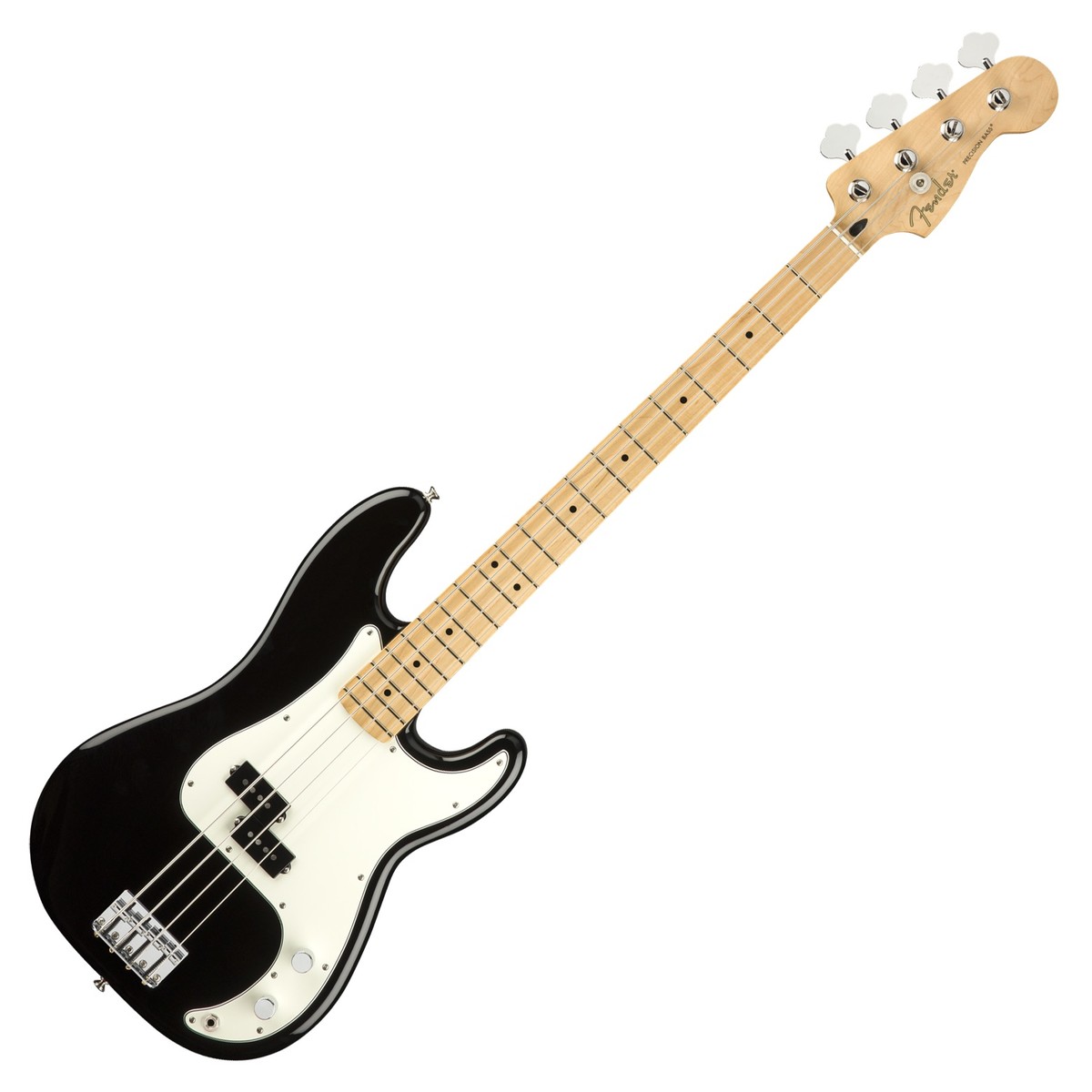
Pickup ConfigurationSplit-coil humbuckerTwo single-coils
Nut Width1.625 in (43mm)1.5 in (38mm)
Neck ProfileC-shape, mediumTapered C-shape, slim
Controls1 volume, 1 tone2 volumes, 1 tone
Body StyleSymmetrical double cutawayOffset waist double cutaway
Price$899 USD$899 USD

The Quick Answer: What's the Difference?

Choose the Precision Bass if you want a thick, punchy, mid-forward tone with dead-simple controls — it's the most recorded bass in history for a reason. Choose the Jazz Bass if you want tonal flexibility, a slimmer neck, and a brighter, more articulate sound that rewards active playing. The core difference comes down to pickups and neck. The P-Bass has a single split-coil humbucking pickup and a wider 1.625-inch nut with a chunky C-shape neck. The J-Bass has two single-coil pickups that you blend with individual volume controls and a narrower 1.5-inch nut with a slim tapered neck. Both cost $899 in the Player Series and both are built to the same legendary Fender quality standards. The right choice depends entirely on your hands, your genre, and what the mix needs.

Fender Player Precision Bass

Pickups and Tone: The Heart of the Difference

The P-Bass split-coil pickup delivers a thick, low-mid bloom that naturally compresses in a mix — you barely need EQ to sit perfectly in a dense arrangement. It's hum-cancelling by design, so you get zero noise even with high gain. The tone is warm, punchy, and fundamental-heavy. Sting, James Jamerson, and Duff McKagan all built their sound around this pickup.

The J-Bass dual single-coils give you a much wider tonal palette. The bridge pickup alone is bright and aggressive, perfect for cutting through a busy mix. The neck pickup is warmer and rounder, approaching P-Bass territory. Blend them together and you get a scooped midrange with partial hum cancellation. This is why session players, funk bassists, and soloists gravitate toward the Jazz Bass — it can sound like three different basses depending on how you set the controls.

Fender Player Precision Bass

Neck Profile and Playability: How They Feel

The most immediately noticeable difference between these basses is the neck. The P-Bass has a wider nut (1.625-inch / 43mm) and a chunkier C-shape profile that fills your hand more completely. Players with larger hands often prefer this — it gives you more space between strings and a solid, substantial feel. The neck stays consistently thick from nut to heel.

The J-Bass neck tapers from a slim 1.5-inch (38mm) nut to roughly the same width as the P-Bass at the 12th fret. This tapered design makes fast passages, complex chords, and soloing significantly easier. It's especially popular among guitarists transitioning to bass, players with smaller hands, and anyone who values speed and agility. The offset waist body of the J-Bass also improves balance when playing seated — the bass naturally rests in a more comfortable position.

Fender Player Precision Bass

Body Shape and Design: Aesthetics and Ergonomics

The P-Bass has a symmetrical double-cutaway body that's been essentially unchanged since 1954. It's utilitarian, no-nonsense, and instantly recognizable. The body contours (added in 1954, inspired by the Stratocaster) make it comfortable despite the slab-like appearance. The control layout is minimal: one volume, one tone, one output jack. You plug in and play.

The J-Bass has an offset waist body borrowed from the Jazzmaster, creating a sleeker, more asymmetrical silhouette. This design improves ergonomics significantly — the waist pulls the body closer to your picking arm while pushing the lower bout away, creating a more natural playing position especially when seated. The deeper cutaway on the upper horn improves access to the highest frets. The control layout is more complex: two volumes (one for each pickup) and one master tone. This gives you precise blending control at the cost of simplicity.

Fender Player Precision Bass

Verdict: Which Bass Should You Buy?

Buy the Precision Bass if: you play rock, punk, Motown, or country; you want a bass that sits in the mix without EQ; you prefer a wider neck with more string spacing; you want the simplest possible control layout; or you want the most recorded bass in history with permanent hum cancellation.

Buy the Jazz Bass if: you play funk, fusion, jazz, R&B, or modern styles; you need tonal versatility across different songs and genres; you have smaller hands or are transitioning from guitar; you play slap bass or do solo work; or you want a brighter, more articulate sound with a slimmer neck.

The honest answer most pros will give: buy BOTH eventually. They're different tools for different jobs. The P-Bass is the foundation — it's what you reach for when the song needs to sit in the pocket. The J-Bass is the voice — it's what you grab when you need to cut through and be heard. If you can only afford one, try both at a music store and trust your hands. The neck feel alone will tell you which one is yours.

Fender Player Precision Bass
Verdict P-Bass for punch and simplicity, J-Bass for versatility and speed
Fender Precision Bass
Pros
  • Split-coil humbucking pickup delivers permanent hum cancellation — zero noise even at high gain levels or in electrically noisy environments like live stages
  • Thick, fundamental-heavy tone with natural midrange compression that sits in a dense mix without needing any EQ sculpting — the most recorded bass sound in history
  • Wider 1.625-inch nut provides more string spacing for accurate fingerstyle playing and reduces accidental string buzz, especially for players with larger hands
  • Simple one-volume, one-tone control layout eliminates decision fatigue during live performance — you focus on playing, not tweaking knob positions between songs
  • Symmetrical body design with a consistent C-shape neck profile gives a familiar, predictable feel that's stayed essentially unchanged since 1954 for good reason
Cons
  • Single pickup offers limited tonal variety — you cannot radically change your sound between songs without reaching for pedals, EQ, or a different bass
  • Wider neck at 1.625 inches can feel uncomfortable for players with smaller hands or those transitioning from guitar, making fast runs and complex chords more difficult
  • Symmetrical body shape is less ergonomic when seated compared to the Jazz Bass offset waist, which may cause discomfort during long practice or recording sessions
  • No bridge pickup means slap bass tones lack the aggressive bite and high-end snap that a dedicated single-coil bridge pickup provides for funk and modern styles
Fender Jazz Bass
Pros
  • Dual single-coil pickups with individual volume controls provide a wide tonal range — from warm neck pickup tones to bright bridge pickup aggression and everything in between
  • Tapered neck design with a slim 1.5-inch nut makes fast passages, soloing, and complex chord work significantly easier — especially popular among players with smaller hands
  • Offset waist body improves ergonomics when seated — the natural resting position reduces shoulder and back strain during long practice sessions and studio work
  • Bridge pickup delivers aggressive, articulate slap bass tones with excellent high-end definition that cuts through dense funk, fusion, and modern pop arrangements
  • Deeper upper-horn cutaway improves access to the highest frets, making the Jazz Bass a better choice for soloists and players who venture past the 12th fret regularly
Cons
  • Single-coil pickups are susceptible to 60-cycle hum and electrical interference — partial cancellation only occurs when both pickups are at equal volume, limiting your tone options
  • More complex control layout with two volume knobs and a tone knob requires active management during performance — easy to accidentally change your blend between songs
  • Narrower string spacing at the nut (38mm vs 43mm) can feel cramped for players with larger fingers, increasing the chance of accidental string muting or buzzing
  • Bright, articulate tone with scooped mids may require EQ adjustment in dense rock or punk mixes to avoid sounding thin compared to the P-Bass's focused midrange punch

Frequently Asked Questions

What Products Are in This Guide?

Fender Player Precision Bass

Fender Player Precision Bass

★★★★½ 4,567
$899 USD
The bass that invented modern music. The P-Bass delivers that punchy, authoritative low-end that drives salsa, funk, rock, and Latin jazz. Split-coil pickup for rich, balanced tone. The foundation of every great rhythm section — from James Brown to Buena Vista.
Fender Player Jazz Bass

Fender Player Jazz Bass

★★★★½ 4,321
$899 USD
The voice of modern bass. Two single-coil pickups deliver that punchy, articulate tone that cuts through any mix. The slim neck profile makes complex Latin bass lines and jazz walking lines effortless. From Jaco to today, the Jazz Bass defines bass tone.
SoundBetter Fiverr
Cuban Tres, Bass & Guitar - played and recorded with my personal gear