Your microphone is the most personal piece of gear in your studio — it captures the unique character of your voice or instrument. Unlike other gear, there's no single "best" microphone; the right mic depends on your voice, your room, and what you're recording.
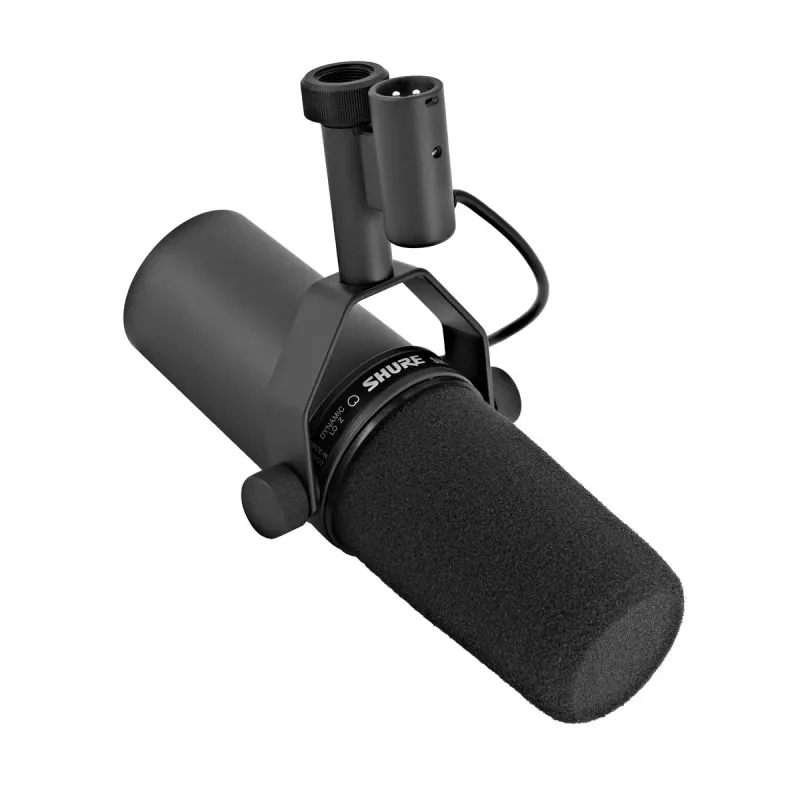
Start with the type. Dynamic microphones are rugged, handle high SPL, and reject background noise. They're ideal for loud sources — guitar amps, drums, and live vocals. Condenser microphones are more sensitive and detailed, capturing every nuance of vocals and acoustic instruments. They need phantom power and work best in treated rooms. Ribbon microphones have a warm, natural sound and are beloved for guitar amps and brass.
Polar patterns determine what the mic hears. Cardioid picks up sound from the front and rejects the rear — perfect for home studios with untreated rooms. Figure-8 picks up front and back but rejects the sides. Omni picks up equally from all directions — ideal for room ambience and group vocals but requires a quiet space.
Frequency response shapes your sound. Flat mics give you an honest representation. Mics with a presence bump help vocals cut through a mix without EQ. Darker mics tame harsh sources. The best approach is to match the mic's character to the source — don't try to fix a bright voice with a bright mic.
Your room matters more than your mic. An expensive condenser in an untreated room will sound worse than a dynamic mic in a treated one. If your room isn't acoustically treated, start with a dynamic mic — they're more forgiving of bad acoustics.