Studio headphones are one of the most personal gear decisions you'll make. Unlike speakers, headphones bypass your room acoustics completely, giving you a direct window into your mix — but they also exaggerate stereo imaging and can fool you about bass response.
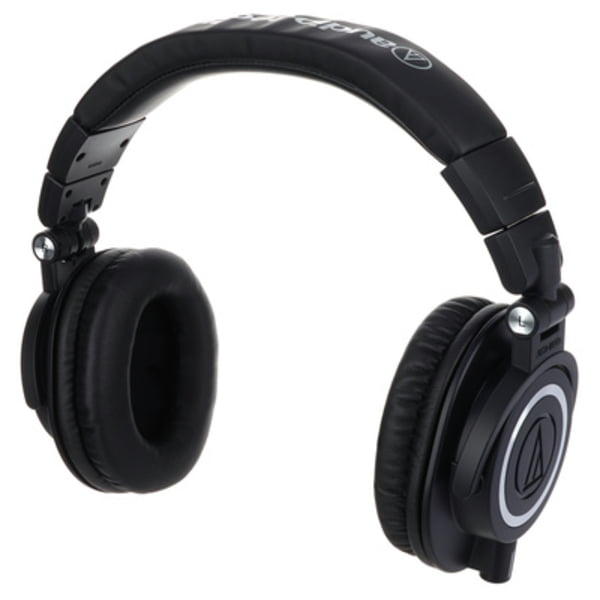
Open-back vs closed-back is the first decision. Open-back headphones have perforated ear cups that let air through, creating a wider soundstage and more natural frequency response. They're ideal for critical mixing and mastering. Closed-back headphones seal around your ears, blocking external noise and preventing sound leakage. They're essential for tracking vocals and recording with microphones, since open-back headphones bleed sound into the mic.
Impedance and sensitivity affect what you can drive. High-impedance headphones (250Ω+) need a dedicated headphone amp to sound their best. Low-impedance (32-80Ω) work well with audio interfaces, laptops, and phones. If you're using a standard audio interface, stick with low-impedance models unless you plan to buy a separate headphone amp.
Frequency response tells you how honest the headphones are. Flat/neutral headphones reveal the truth about your mix. Coloured headphones with boosted bass or treble are fun for listening but dangerous for mixing — you'll compensate by cutting frequencies that aren't really there.
Comfort is non-negotiable for long sessions. Look for velour or memory foam ear pads, lightweight designs (under 300g), and adjustable headbands with adequate clamping force. I've mixed for 8-hour sessions without fatigue — that's the comfort level you should aim for.