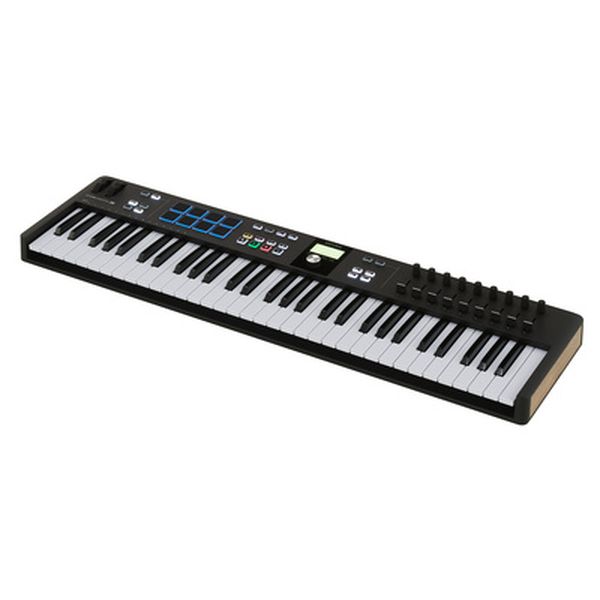
A MIDI keyboard controller is your primary interface for making music in a DAW. Unlike a standard keyboard, a MIDI controller sends note and control data to your computer — it doesn't make sound on its own. Choosing the right one depends on your space, your playing style, and what kind of music you make.
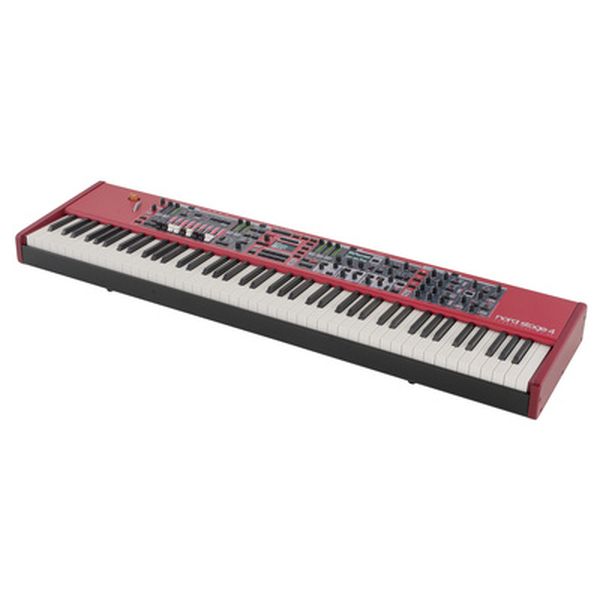
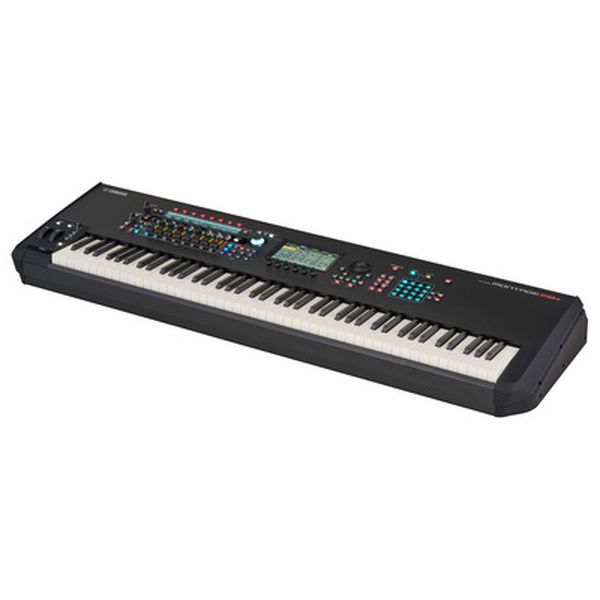
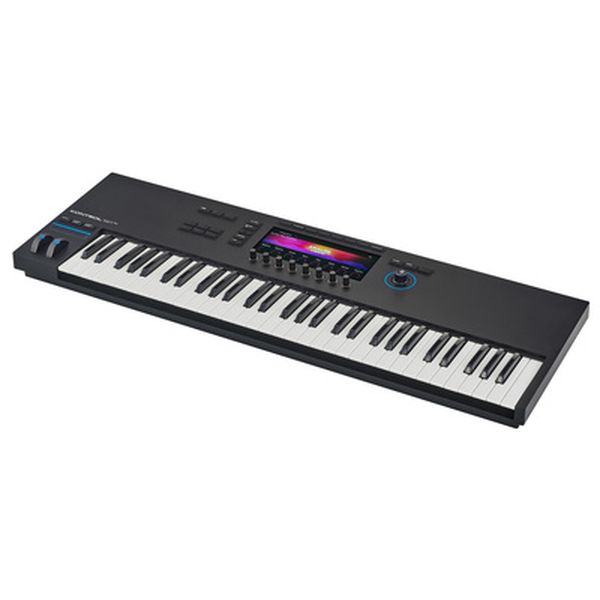
Key count determines your range. 25-key controllers are ultra-portable and great for beat-making and basslines, but limited for two-handed playing. 49 keys let you play chords with one hand and melody with the other — the minimum for serious keyboardists. 61 keys is the sweet spot for most home studios, giving you enough range for two-handed playing without taking over your desk. 88 fully-weighted keys is for pianists who need an authentic feel, but they're large and expensive.
Key action affects your playing feel. Synth-action (unweighted) keys are light and springy — ideal for fast synth leads, organ parts, and beat production. Semi-weighted keys offer more resistance, closer to an acoustic piano feel — good for all-purpose playing. Fully-weighted (hammer action) keys mimic a real piano — essential for pianists but tiring for synth work. If you play multiple styles, semi-weighted is the best compromise.
Pads, knobs, and faders expand your control. Velocity-sensitive drum pads are essential for beat production and triggering samples. Assignable knobs and faders let you control virtual instruments, mixer levels, and plugin parameters without touching your mouse. If you produce electronic music, look for a controller with at least 8 pads and 4-8 knobs. If you mix with hardware, motorized faders are a game-changer.
DAW integration saves you clicks. Some controllers (like Arturia's KeyLab series) come with deep integration for specific DAWs — pre-mapped transport controls, plugin browsing, and parameter control. Others are class-compliant and work with everything but require manual mapping. If you mainly use one DAW, a controller designed for it will save you hours of setup time.